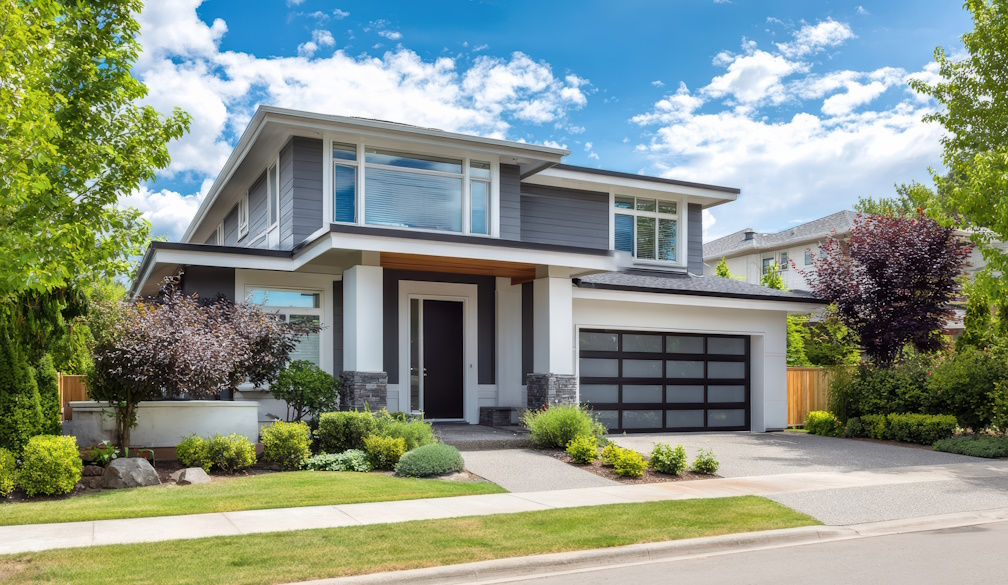
How to Maximise Your Property’s Value with Regular Building Inspections in Sydney

Property owners tend to think about value in terms of what the market is doing.
Interest rates rise, prices soften. Infrastructure projects arrive, values climb. Demand shifts from apartments to houses, or from inner-city locations to lifestyle suburbs.
Yet one of the most overlooked influences on property value has very little to do with market cycles at all.
It sits inside the property itself.
While owners closely monitor auction clearance rates and median sale prices, many pay far less attention to the physical condition of the asset generating that value. The reality is that property deterioration rarely arrives as a major event. It emerges gradually through small defects, deferred maintenance, moisture intrusion, structural movement, drainage failures, and pest activity that compound over time.
The highest-performing properties are not always the newest or most expensive. They are often the ones where issues are identified early, addressed systematically, and prevented from escalating.
In an environment where repair costs continue to rise and buyers are becoming increasingly cautious, regular inspections are evolving from a maintenance activity into a genuine asset protection strategy.
The Hidden Cost of Deferred Maintenance
Most property owners understand the cost of major repairs.
What is less understood is the cost of waiting.
A small roof leak rarely remains a roof leak. Water finds pathways through insulation, framing, ceilings, and internal finishes. Minor drainage issues can slowly affect foundations. Termite activity often progresses unnoticed for months or years before visible signs appear.
The operational challenge is that many property defects remain invisible until the repair bill becomes significant.
This creates a common contradiction within property ownership.
Owners are generally willing to spend large sums rectifying major problems, yet often delay the relatively inexpensive process of identifying those problems early.
In many cases, the issue is not financial reluctance. It is awareness. People simply do not know a problem exists.
The result is that maintenance becomes reactive rather than strategic.
Why Property Value Is Often Lost Long Before Sale Day
Many owners assume property value is determined at the point of sale.
In reality, value is often won or lost years earlier.
Consider two similar homes in the same suburb.
One owner proactively monitors structural movement, addresses moisture issues quickly, maintains drainage systems, and resolves minor defects before they worsen.
The other postpones repairs until symptoms become impossible to ignore.
Five years later, both properties may appear similar from the street, but their underlying condition can be dramatically different.
Increasingly, buyers are conducting extensive due diligence before committing to a purchase. Reports, specialist assessments, and inspections are becoming standard expectations rather than optional extras.
When defects emerge during this process, buyer confidence often declines faster than the actual repair costs increase.
A useful observation from property transactions is this:
"Buyers rarely fear defects themselves. They fear uncertainty."
A manageable repair is usually less concerning than a defect whose scope remains unclear.
Properties with documented maintenance histories and evidence of proactive inspections tend to create greater buyer confidence during negotiations.
The Shift Toward Preventive Asset Management
Commercial property owners have long understood the value of preventive maintenance.
Office buildings, shopping centres, and industrial facilities operate under structured maintenance programs designed to protect asset performance.
Residential property ownership has traditionally been different.
Maintenance is often triggered by visible issues rather than ongoing monitoring.
However, this mindset is beginning to change.
As construction costs rise and skilled trades become harder to secure, more homeowners are recognising that preventive maintenance offers a stronger financial return than reactive repairs.
Regular inspections provide a mechanism for identifying risks before they become expensive projects.
Rather than asking, "What's broken?" owners begin asking, "What is likely to become a problem next?"
That shift in thinking changes how properties are managed over the long term.
Moisture: The Problem Behind Many Other Problems
If there is one recurring issue that experienced inspectors consistently encounter, it is moisture.
Water sits behind a surprising number of property defects.
Timber decay, mould growth, foundation movement, corrosion, termite attraction, damaged finishes, and structural deterioration frequently share the same underlying cause.
The challenge is that moisture often develops gradually.
A blocked downpipe, inadequate site drainage, deteriorating waterproofing membrane, or minor roof defect may seem insignificant in isolation. Over time, however, these seemingly small issues can trigger a chain reaction of larger problems.
Experienced property professionals often describe moisture as the multiplier rather than the problem itself.
The longer it remains undetected, the greater its impact across multiple building systems.
This is one reason why a professional building and pest inspection Sydney property owners arrange can provide value well beyond a simple defect report.
The objective is often less about identifying today's problems and more about preventing tomorrow's.
The Psychology of Property Ownership
One of the more interesting dynamics within residential property ownership is the emotional relationship people develop with their homes.
Owners spend time in a property every day, which can make gradual deterioration surprisingly difficult to notice.
Changes occur incrementally.
A crack appears slightly wider. A door becomes marginally harder to close. Moisture stains become familiar enough to ignore.
Because these changes occur slowly, they are often normalised.
External inspectors bring something valuable to the process: objectivity.
They see the property without emotional attachment or familiarity bias.
This perspective often allows them to identify patterns that homeowners may have unconsciously adapted to over time.
In operational terms, it is similar to bringing in an external consultant to review a business process. Fresh eyes often spot issues internal stakeholders no longer notice.
Protecting Value in a More Informed Market
Sydney's property market has evolved significantly over the past decade.
Buyers have access to more information than ever before. Property reports, digital records, sales histories, suburb analytics, and inspection data have all increased transparency.
As information becomes easier to access, hidden risks become more difficult to conceal.
This creates an interesting market dynamic.
Properties with unresolved maintenance issues may become increasingly disadvantaged, not because defects are more common, but because buyers are becoming better at identifying them.
At the same time, well-maintained properties often benefit from stronger buyer confidence and smoother transaction processes.
The gap between proactive and reactive property management continues to widen.
Regular Inspections as a Long-Term Value Strategy
Property ownership will always involve maintenance.
The question is whether that maintenance occurs on your schedule or the building's schedule.
The most effective owners recognise that inspections are not simply about finding problems. They are about creating visibility.
Visibility leads to planning.
Planning leads to prioritisation.
Prioritisation reduces financial surprises.
This approach transforms maintenance from an unpredictable expense into a manageable asset management process.
For many owners, that shift alone can significantly influence the long-term performance of a property.
Final Thoughts
Property value is often discussed in terms of location, market cycles, interest rates, and buyer demand.
While those factors undoubtedly matter, the physical condition of the asset remains one of the few variables owners can directly control.
Regular inspections provide an opportunity to identify emerging issues before they become major liabilities, protect buyer confidence, and support long-term asset performance.
As repair costs continue to rise and property transactions become increasingly data-driven, proactive maintenance is becoming less of a recommendation and more of a competitive advantage.
For homeowners looking to preserve both the condition and value of their property, a professional building and pest inspection Sydney service may be one of the most practical investments they can make. Not because something is wrong today, but because protecting value tomorrow starts with understanding what is happening beneath the surface today.


 Business Daily Media