Why Construction Budgets Often Start Falling Apart Before Work Begins
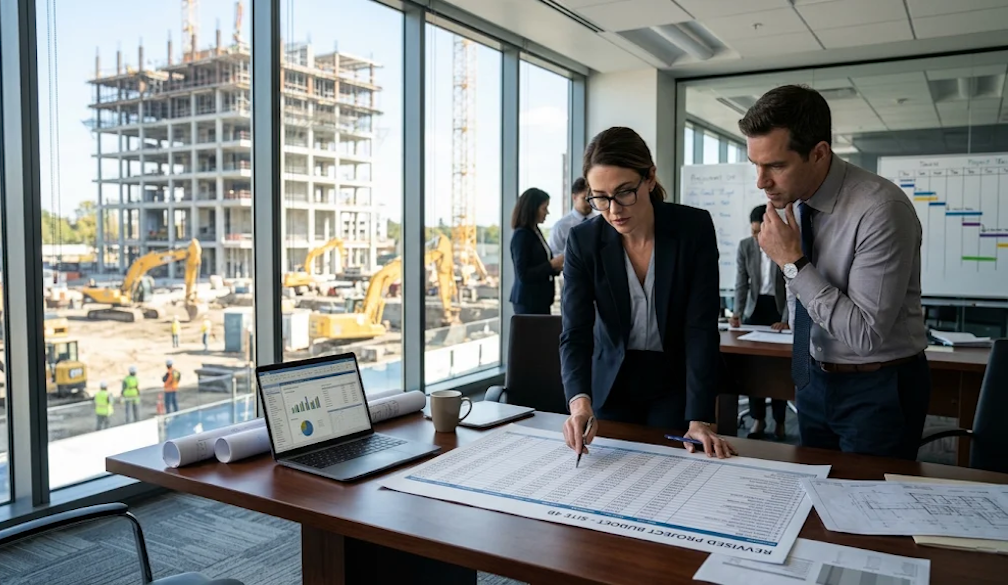
Construction projects have a reputation for going over budget, but financial problems don't always begin once builders arrive on site. In many cases, the decisions that lead to unexpected costs are made months earlier, during the planning and preparation stages. Inaccurate estimates, unclear project requirements, and unrealistic expectations can all create problems before a single brick has been laid.
For developers, property owners and businesses investing in construction, understanding these early risks can make the difference between a well-managed project and one that becomes increasingly expensive.
Unrealistic Estimates Create Problems From the Start
One of the most common budgeting mistakes is underestimating what a project will actually cost. Initial figures may look attractive, particularly when businesses are comparing potential investments, but they don't always reflect the full scope of the work.
Material prices, labour requirements, specialist equipment and professional fees all need careful consideration. Costs can also vary depending on site conditions, location and the complexity of the proposed building.
When estimates are based on incomplete information, even relatively small omissions can accumulate into substantial financial pressures.
Working with experienced professionals during the early stages can help identify these risks. Specialist construction consultancy services can support project planning, cost management and the assessment of potential challenges before construction begins.
Poorly Defined Project Requirements
A construction budget is only as reliable as the information used to prepare it. When the project's scope isn't clearly established, contractors and consultants may interpret requirements differently.
For example, a commercial property development might begin with a relatively straightforward specification, only for additional facilities, higher-quality finishes or revised layouts to be requested later.
These changes can affect material orders, labour schedules and overall project costs.
Establishing clear requirements from the outset allows everyone involved to work towards the same objectives. It also makes proposed changes easier to assess before they become expensive commitments.
Site Conditions Can Reveal Unexpected Costs
Not every construction challenge is immediately visible. Ground conditions, drainage requirements, existing utilities and structural limitations can all influence the cost of a development.
Failing to investigate these factors early may result in unexpected excavation work, additional engineering requirements, or changes to the original design.
Appropriate surveys and technical assessments involve an initial expense, but they can provide valuable information for budgeting and risk management.
Understanding the site before committing to major construction decisions helps reduce the likelihood of costly surprises.
Delays in Approvals and Procurement
Construction schedules depend on numerous activities happening in the correct order. Planning permissions, building regulations, material procurement and contractor availability can all affect when work begins.
If these requirements aren't considered during budgeting, delays may create additional costs through extended professional appointments, storage charges or changes in supplier pricing.
Early coordination between designers, contractors and project managers can help establish realistic timescales. It also allows businesses to identify materials or specialist services with longer lead times before they disrupt the programme.
The Importance of Financial Contingency
Even carefully planned construction projects can encounter unexpected circumstances. A budget that leaves no room for uncertainty is particularly vulnerable when conditions change.
Setting aside an appropriate contingency allows project teams to respond to unforeseen issues without immediately compromising essential work.
The amount required will depend on the project's complexity, available information, and level of risk. Contingency shouldn't replace accurate estimating, but it provides an important safeguard against financial disruption.
Better Planning Creates Stronger Budgets
Successful construction budgeting involves more than calculating the expected cost of materials and labour. It requires clear objectives, reliable information, realistic scheduling and ongoing communication between everyone involved.
By addressing potential problems before construction begins, developers and businesses can make better financial decisions and reduce avoidable uncertainty.
A construction budget is much easier to protect when its foundations are established long before work starts on site.


 Emma Fawcett, CEO of Compare Club