Transanal Endoscopic Surgery Recovery Time and What to Expect
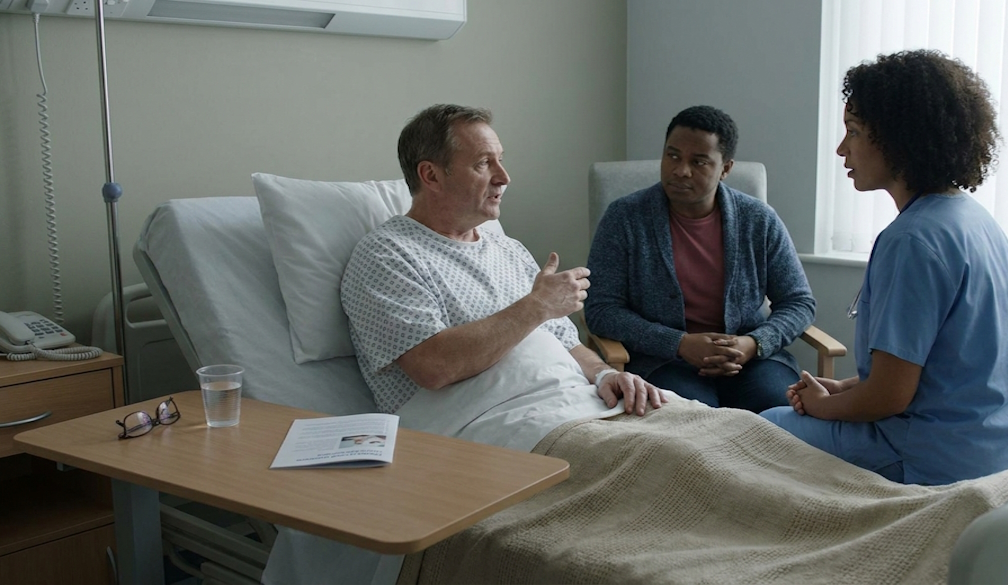
Finding out that you need surgery for a rectal polyp or an early rectal tumour can be unsettling. The good news is that many of these growths can now be removed without any cuts on the abdomen. Transanal endoscopic surgery reaches the rectum through the anus, so the recovery is usually gentler than with traditional open surgery. Knowing what lies ahead makes it easier to plan your time off, your meals and your follow-up care.
This guide walks you through the process from preparation to the weeks after your procedure. Your transanal endoscopic surgery recovery time will depend on the size and position of the growth, the technique used and your overall health, but most patients follow a fairly predictable pattern. Your colorectal surgeon will give you personalised advice, so treat this article as a general guide.
What Is Transanal Endoscopic Surgery?
Transanal endoscopic surgery is a minimally invasive way to remove growths from the rectum. Techniques include transanal endoscopic microsurgery (TEM) and transanal minimally invasive surgery (TAMIS). Both use a special scope and fine instruments passed through the anus, giving the surgeon a magnified view of the area.
Surgeons commonly use it for large benign polyps, polyps that keep coming back and some early-stage rectal cancers. Because the surgery avoids an abdominal incision, it often spares patients a major operation and the risk of a stoma (a bag attached to the abdomen to collect waste). Not every rectal growth is suitable, so your surgeon will assess it with scans, a colonoscopy and sometimes an MRI before recommending this approach.
How to Prepare Before Surgery
Preparation shapes how smoothly you recover. The rectum needs to be clean, so you will usually be asked to follow a bowel preparation similar to the one used before a colonoscopy. This may involve clear liquids the day before and an oral laxative solution, or occasionally an enema on the day.
It also helps to sort out practical matters ahead of time:
- Arrange for someone to take you home after the procedure.
- Stock up on soft, fibre-rich foods and stool softeners if your doctor recommends them.
- Apply for medical leave and let your employer know the likely time frame.
- Tell your surgeon about any blood thinners or regular medication you take.
The Hospital Stay
Many patients go home the same day or after one to two nights in hospital, depending on how extensive the surgery was. You are usually encouraged to get up and move around soon after the procedure, which supports circulation and bowel recovery. Most people can start eating and drinking on the same day once the anaesthetic wears off.
Before discharge, the care team will check that your pain is controlled, that you can pass urine normally and that you understand your wound care and warning signs.
Recovery Timeline: What to Expect
Every patient heals at their own pace, but the stages below give a realistic picture.
First 48 hours. Expect some discomfort, a feeling of fullness in the rectum and mild bleeding or a little mucus when you pass stool. Fatigue is common because of the anaesthetic. Pain relief tablets are usually enough, and rest is important.
Days 3 to 7. Pain generally eases, but you may still notice light spotting, urgency or the need to pass stool more often. Short walks are encouraged. Avoid straining, as it can irritate the surgical site. Drinking plenty of water and eating fibre helps keep stools soft.
Weeks 2 to 3. Most people feel noticeably better and return to desk-based work, often within one to two weeks for smaller procedures. Research on patients treated for large rectal polyps found that physical activity levels took about three weeks on average to return to baseline after TAMIS, which is a useful benchmark if your lesion was large. Some patients recover faster, particularly after smaller removals.
Weeks 4 to 6. Bowel habits typically settle down. You can gradually return to exercise, but heavy lifting and strenuous workouts should wait until your surgeon clears you. Occasional minor changes in bowel movements can persist a little longer, especially after removal of larger lesions.
If your work is physically demanding, you may need longer before resuming full duties, so speak to your surgeon about a phased return.
Managing Pain and Side Effects
Mild to moderate pain is the most common complaint after surgery, and it usually responds to standard painkillers. Other typical effects include:
- Light rectal bleeding or blood-streaked stool for a few days
- A sense of urgency or incomplete emptying
- Temporary changes in bowel frequency
- Tiredness and reduced appetite in the first few days
Warm sitz baths, a high-fibre diet, enough fluids and short, regular walks help most people feel more comfortable. Avoid sitting for long stretches on hard surfaces.
Possible Complications to Watch For
Serious problems are uncommon, but you should know the warning signs. Contact your surgeon or go to the nearest emergency department if you notice any of the following:
- Heavy or persistent bleeding, or passing large clots
- Fever or chills
- Severe or worsening abdominal or rectal pain
- Inability to pass urine or stool
- Pus or foul-smelling discharge
Rarely, the surgical site may not heal properly or a further procedure may be needed. Your follow-up appointments exist to catch these problems early.
Follow-Up and Long-Term Outlook
After surgery, the removed tissue is sent to the laboratory for testing. This result is important because it confirms whether the growth was benign or cancerous and whether the whole lesion was removed. If an early cancer is found, your surgeon will explain whether further treatment or closer surveillance is needed.
You will also be asked to attend follow-up scopes or scans, since some polyps can return. Staying consistent with these appointments is one of the best ways to protect your long-term bowel health.
Final Thoughts
Transanal endoscopic surgery offers a less invasive route to treat many rectal growths, with a shorter hospital stay and a quicker return to normal life than open surgery. Following your bowel preparation, taking your medication and attending follow-up visits will go a long way toward a smooth recovery. If you have been advised to undergo this procedure, speak openly with your colorectal surgeon about your concerns, your work schedule and your goals so that your recovery plan fits your life.
Frequently Asked Questions
1. How long does transanal endoscopic surgery take to recover from?
Many patients feel well enough for light activities within a week and return to most routines within two to four weeks. Larger lesions may take longer to heal fully.
2. Will I need to stay in the hospital?
Often the stay is short, ranging from same-day discharge to one or two nights, depending on the extent of the procedure and how you feel afterwards.
3. When can I go back to work?
Office-based workers commonly return after one to two weeks. If your job involves heavy lifting or long hours on your feet, your surgeon may advise a longer break or a gradual return.
4. Is it normal to see blood in my stool after surgery?
Light bleeding or spotting is common for several days. Heavy bleeding, clots or bleeding that gets worse should be reported to your doctor straight away.
5. Can I exercise after the procedure?
Gentle walking is encouraged early on. Avoid heavy lifting and intense exercise for several weeks, and get your surgeon's approval before resuming them.


 Business Daily Media