Melbourne Skin Care Guide: Tips for Maximising Collagen Renewal After Stretch Mark Therapy
Achieving smooth, resilient skin requires a smart approach to cellular renewal, especially after undergoing targeted dermal therapies. Whether you are addressing scarring, fine lines, or texture issues, understanding how to support your skin's natural healing cycle is essential. Many residents seeking skin rejuvenation pair advanced clinical procedures with a professional chemical peel in Melbourne to accelerate their results. This guide outlines practical, evidence-based steps to maximise collagen production following intensive skin treatments. By supporting your body's structural proteins, you can prolong the benefits of your clinical visits and enjoy a firmer, more even complexion. Proper aftercare ensures your skin cells regenerate efficiently, protecting your investment in your skin's long-term health.
The Science of Collagen and Stretch Mark Recovery
Collagen and elastin form the supportive scaffolding of healthy skin. When these structural fibres stretch too rapidly due to growth spurts, pregnancy, or weight fluctuations, the dermal layer tears, resulting in visible striations. Addressing these deep-set lines requires a dedicated stretch marks removal treatment to stimulate dermal remodelling. Clinical therapies, such as microneedling or fractional laser, work by creating controlled micro-injuries in the skin. This process triggers a natural wound-healing cascade, prompting fibroblasts to synthesise fresh collagen and repair the damaged tissue from within.
However, professional intervention is only the first step in the remodelling process. The speed and quality of your skin's recovery depend heavily on how you support this collagen synthesis in the weeks following your procedure. Newly formed collagen is delicate and requires specific nutrients, hydration, and protection to mature into a strong, organised matrix. Without proper support, the skin may produce disorganised fibres, limiting the overall improvement in texture and colour. By understanding the biological timeline of skin healing, you can tailor your daily skincare routine to support these structural changes. This ensures the treated areas receive the necessary building blocks to rebuild a smoother, more resilient dermal layer over time.
Synergistic Therapies for Enhanced Skin Regeneration
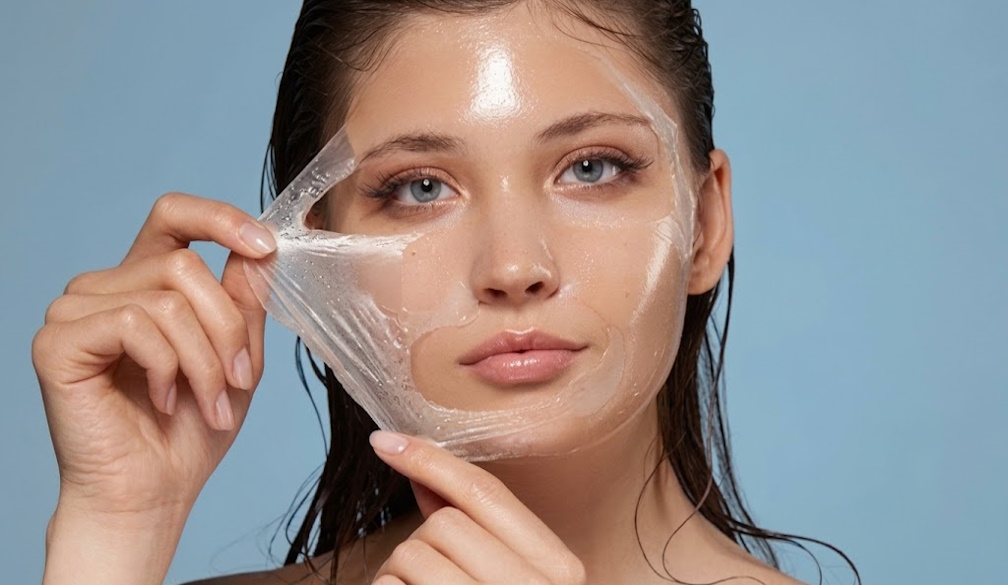
To achieve the best possible results, dermatologists often recommend combining different clinical modalities. For instance, scheduling a chemical peel in Melbourne between your primary device-based sessions can significantly enhance skin texture. Chemical peels use specialised acids, such as glycolic or lactic acid, to dissolve the intercellular glue holding dead cells together. This deep exfoliation encourages rapid cellular turnover, allowing topical serums to penetrate deeper into the dermis where collagen synthesis occurs.
When paired with a stretch marks removal treatment, this multi-layered approach addresses both deep structural damage and superficial pigment irregularities. The peel refines the surface layer, while the deeper dermal therapy rebuilds the skin's foundation. It is crucial, however, to space these treatments correctly under professional guidance. Over-exfoliating or combining aggressive procedures too closely can compromise the skin barrier, leading to chronic inflammation and hyperpigmentation. A qualified dermal clinician in Victoria can design a customised calendar that balances stimulation with recovery. This structured approach ensures your skin receives the benefits of exfoliation without experiencing unnecessary stress, leading to a faster, more noticeable improvement in overall skin tone, elasticity, and smoothness across the treated areas.
Essential Post-Treatment Topical Care
Nourishing the Skin Barrier
What you apply to your skin immediately after a clinical session directly impacts the healing process. During the first forty-eight hours, focus entirely on hydration and barrier repair. Look for topicals containing ceramides, hyaluronic acid, and centella asiatica. These ingredients soothe irritation, lock in moisture, and create a protective seal over compromised skin, preventing trans-epidermal water loss.
Active Ingredients for Collagen Support
Once the initial redness subsides, usually after three to five days, you can reintroduce active ingredients that actively promote collagen synthesis. Vitamin C is a powerful antioxidant that acts as an essential co-factor for collagen production. Applying a stable vitamin C serum in the morning neutralises free radicals and brightens the skin. In the evening, introduce a gentle retinoid or bakuchiol product. Retinoids speed up cellular turnover and signal fibroblasts to produce more structural proteins. However, introduce these activities slowly to avoid irritating the healing tissue. Always patch-test new products on a small area first, and consult your clinician before introducing strong acids back into your regimen. Consistent use of these targeted topicals provides the raw materials your skin needs to rebuild its structural matrix effectively, leading to a firmer and more even skin texture.
Lifestyle Habits That Boost Collagen Synthesis
Nutrition and Hydration
While topical products are highly effective, systemic support from within is vital for skin recovery. Your body requires specific amino acids, such as proline and glycine, to manufacture collagen. Incorporating protein-rich foods, bone broth, and vitamin C-rich fruits into your daily diet provides these essential building blocks. Staying hydrated by drinking plenty of water also keeps the extracellular matrix plump, facilitating better nutrient transport to healing cells.
Sun Protection and Sleep
Protecting your skin from ultraviolet radiation is the most critical step in preserving new collagen. UV rays generate free radicals that break down collagen and elastin, reversing the benefits of your stretch marks removal treatment. Apply a broad-spectrum SPF 50+ sunscreen daily, even when staying indoors or during overcast Melbourne winters. Additionally, prioritise quality sleep, as the body undergoes peak cellular repair and growth hormone release during deep sleep cycles. If you are also undergoing a chemical peel in Melbourne, your skin will be temporarily more sensitive to solar damage, making diligent sun protection even more vital. By combining clinical treatments with healthy lifestyle choices, you create the optimal environment for your skin to regenerate, heal, and maintain its youthful elasticity over the long term.
Conclusion
Maximising collagen renewal after advanced skin therapies requires a balanced approach of clinical expertise, diligent topical care, and healthy lifestyle habits. By supporting your skin’s natural healing processes, you can significantly enhance the outcomes of your treatments. Whether you choose professional exfoliating procedures to refine surface texture or undergo targeted dermal therapies to rebuild deeper layers, consistency is the key to success. Protect your skin from UV damage, feed it with essential nutrients, and allow adequate time for recovery between sessions. With patience and the right aftercare regimen, you will achieve a smoother, firmer, and more radiant complexion that stands the test of time.


 Business Daily Media