Understanding Your Rights Under the Jones Act
- Written by: Business Daily Media
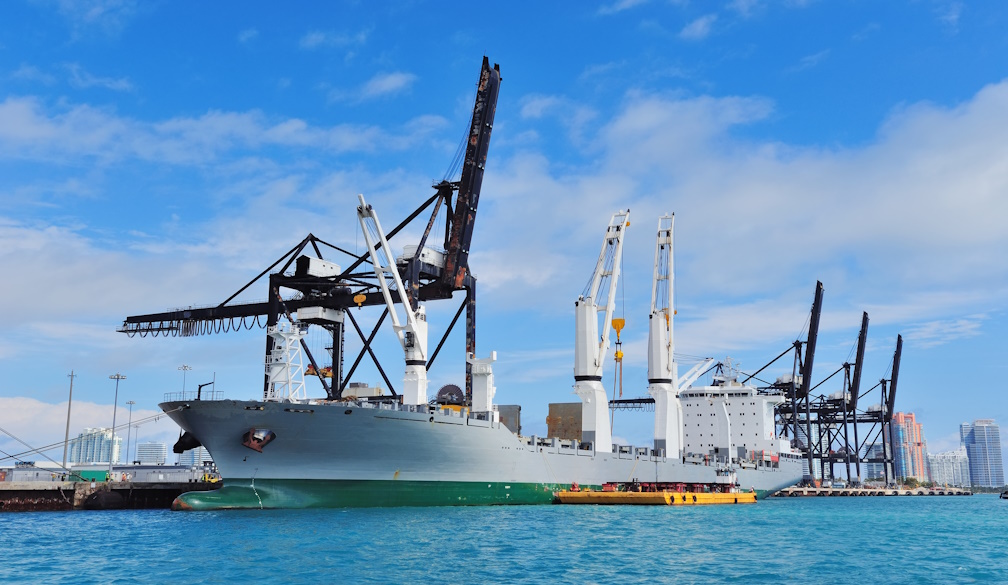
According to a report by the Bureau of Labor Statistics, there were 10 occupational fatalities that occurred within the water transportation industry in 2023. In the same period, the report documented 18 deaths attributed to support activities for water transportation. The number of people employed in the industry is far less when compared to trucking and construction, but the workers still face occupational hazards such as working with heavy equipment and unpredictable weather patterns.
Aside from physical damage, a maritime injury may put an immense financial strain on the victim. The medical bills start to show up while one’s paycheck is often not enough to cover the expenses. There is also the question of what maritime law governs the incident that caused the injury.
According to a New Orleans Jones Act attorney, maritime law encompasses a broad range of legal principles governing activities on navigable waters. The Jones Act is a specific component of maritime law that protects the rights of seamen within the maritime legal framework.
Let’s discuss how the Jones Act upholds the interests of workers in the maritime industry.
What the Jones Act Actually Protects
The Jones Act gives injured persons at sea the right to sue their employers for negligence. This legal remedy is not normally found under normal workers' compensation systems. The statute covers any seaman who gets hurt while doing their work.
Maritime jobs come with real work-related threats. Water transportation workers experience a death rate that is nearly five times higher than the overall average across all U.S. occupations, according to the Centers for Disease Control and Prevention. What an injured worker needs to present is certain proof that the employer has in some way been responsible for the injury to have a valid Jones Act case.
Why Seaman Status Is Not a Simple Checkbox
A person's designation as a seaman is not a condition precedent to Jones Act protection. Whether a case qualifies under the Jones Act still depends on the circumstances of the employment and the relationship of the employee to the navigable vessel.
There are recently established guidelines that came from the 1995 U.S. Supreme Court case regarding employees who come under the definition of a seaman, but the courts, viewing each case per its circumstances, refuse to automatically refer to it. For the purposes of the Jones Act, simply having a seaman status is not sufficient to qualify.
The Two-Part Test Courts Actually Use
In Chandris, Inc. v. Latsis, the Supreme Court set up the framework that federal courts still use today, and it does so by posing two separate questions, not just one.
Contribution to the Vessel's Function
The worker's duties must support the vessel's operations or contribute to its mission. This requirement is broad on purpose, covering way more than navigation-related tasks. This requirement covers deckhands, engineers, and others whose jobs keep the vessel operating.
A Substantial Connection in Duration and Nature
The worker also needs some link to a particular vessel or an identifiable fleet that is really substantial in both how long it lasts and the kind of tasks carried out. Duration is counted across the whole time span of employment with that employer, not just one single voyage. That detail matters since many workers rotate between assignments, so you can’t just look at one trip or short stint.
What Compensation Can Actually Cover
A Jones Act claim can go farther than most injured workers think. It can cover several things at once, like the following:
- Medical expenses plus a daily living stipend, known as maintenance and cure, owed regardless of fault
- Lost wages, for what happened already and for projected future earnings too
- Pain and suffering tied to the physical and also the emotional aftereffects of the injury
- Compensation for permanent disfigurement OR a disability that sticks around
- Wrongful death benefits for family members left behind if the injury ends up being fatal
Maintenance and cure should still be paid even when a Jones Act lawyer hasn’t yet fully pinned down negligence. These duties don’t necessarily depend on fault or blame.
Deadlines That Can Quietly End a Claim
The overall statute of limitations for a Jones Act claim is usually three years counted from the date of the injury under federal law. That cut-off applies to both the negligence and unseaworthiness sides of the claim. Maintenance and recovery duties can move on a somewhat separate timeline. If the three-year window is missed, recovery is normally shut down.
An injured seaman who sues on a negligence theory under the Jones Act keeps the option of a jury trial. This is a feature put right into the statute, not something the judge can decide based on the federal court docket. But that jury right does not automatically apply to every other maritime claim that may be connected. This provision is one of the reasons why the exact legal label of a claim matters as much as, or maybe even more than, the underlying facts.
Misunderstandings That Cost Seamen Money
A few wrong assumptions show up again and again and target injured workers who believe in them. For instance:
- Believing the Jones Act just covers ship crews, when in reality offshore platform workers and other people with a qualifying connection to a vessel are often covered too. The protection an individual can receive from the Jones Act is still different from the protections you’d get under the Longshore and Harbor Workers’ Compensation Act
- Thinking a claim has to stop if the worker has some responsibility, when comparative negligence usually just trims the award, not fully killing the case
- Assuming that an employer’s cooperation right after the injury means a fair settlement offer is already on the way
- Treating a verbal injury report to a supervisor as good enough, when the better move is requesting for a written record at the moment the incident happened
A Jones Act attorney tends to notice these misunderstandings early, especially when the worker does not get legal guidance right away. During this period of delay, one can lose access to evidence that would’ve supported the claim even more.
The Jones Act offers real protection. The problem is that getting to it depends on small details that are easy to misjudge without proper guidance. Whether seaman status applies, how compensation categories mesh or conflict, and how quickly the statute of limitations starts counting are some of the important details that can be overlooked if one has no skilled legal counsel.
Timing and the completeness of the documents are the signs of a strong claim. If you take action as soon as an incident happens, preserve the evidence, and clarify the actual terms of the Jones Act, then you will be in a good position to make recovery as provided in the law.


 Blackhawk Network VP Head of ANZ Kieran Nolan