The Unwritten Rules of Allotment Life Every New Plot Holder Should Know
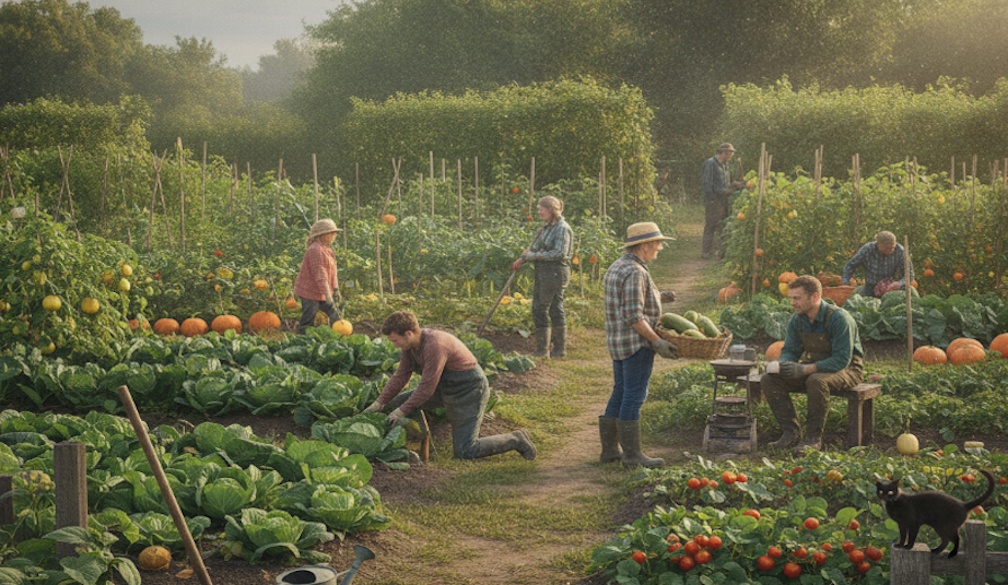
At a Glance
Successful allotment gardening involves more than knowing how to grow vegetables. New plot holders benefit from learning site-specific growing knowledge, building a positive reputation within the allotment community, being patient with progress, embracing informal exchanges, evaluating different advice and recognising that the experience itself often becomes as rewarding as the harvest.
Nobody Really Talks About These Parts of the Allotment Life
Getting your first allotment usually starts with big plans, you imagine baskets of fresh vegetables, rows of healthy crops and a plot that looks like something from a gardening magazine. Then you get the keys, step onto your patch and realise there is a lot nobody mentioned.
Most beginner's guides explain how to grow vegetables, fruits and herbs. They cover sowing schedules, watering routines, crop rotations and common pests. Those things matter, of course, but allotment life comes with another set of lessons that you usually learn through experience. These are not official rules and nobody hands them to you on your first day, but almost every long-term plot holder understands them.
Let’s explore the six unwritten rules that can make settling into allotment life much easier.
1. The Plot Next Door Will Teach You More
You can spend hours reading and watching gardening videos, as they surely are useful, but they cannot tell you what grows best on your allotment site. The person who has been working on the neighbouring plots for years probably can.
Every allotment has its own quirks, as some plots dry out quickly during summer and others hold water after heavy rains. Certain varieties thrive at one site and struggle at another, so before buying every seed packet that catches your eye, spend time talking to an experienced plot holder around you. Local knowledge usually saves a season of trial and error.
2. Your Reputation Starts Before Your Harvest Does
New plot holders assume they will be judged, mainly by the size of their harvest. In reality, fellow allotment holders usually notice how you care for your plot long before they notice what you grow.
Do you keep paths reasonably clear? Do you show up regularly? Do you return borrowed tools? Do you respect shared space? Allotment communities tend to value consistency and effort, because a plot that is being looked after, even if it is still a work in progress, earns more respect than one filled with ambitious plans but little follow-through.
3. The Best Plots Are Not Built in a Single Season
When you first walk around an allotment site, it is easy to spot the plots that seem to have everything figured out. They may have perfectly straight rows, healthy crops, productive fruit bushes and hardly a weed in sight. New gardeners compare their own plots to these polished examples, which is a mistake.
What you don’t see are the years spent improving soil, learning from failures and gradually building knowledge. Every impressive allotment was once an overgrown patch that needed clearing.
4. Surplus Vegetables Can Become Local Currency
Money rarely changes hands, but allotment trading happens everywhere. A spare courgette becomes a handful of runner bean plants, while excess tomato seedlings become help repairing a raised bed.
Somebody gives you rhubarb crowns and later receives spare strawberries for it. This kind of exchange is one of the things that makes allotment culture different from ordinary gardening. Generosity tends to travel around the site and eventually finds its way back.
5. You Will Hear More Than One Right Answer
A curious thing happens on allotments. When you struggle with a problem for weeks and ask three experienced gardeners the same question, advice appears from three different directions. One person swears by a particular planting method, another avoids it entirely and a third has developed their own approach over many years.
It might seem amusing at first, but it comes from a good place. Most experienced plot holders genuinely want newcomers to succeed. Their suggestions are mainly based on mistakes they made years ago. Although listening does not mean following every opinion, it simply means collecting knowledge and deciding what works for you.
6. The Real Reward Is Not the Harvest
This may sound strange because growing food is the whole point, yet many long-term plot holders eventually realise that the vegetables and fruits are only part of the experience.
The routine becomes just as important, maybe it's the quiet hour after work or conversations with the neighbouring plot holder or even the mere satisfaction of watching something develop from seed to harvest. A successful allotment is not measured only by what you take home in a basket. It is also measured by how much you enjoy returning to the plot week after week.
Conclusion
Learning how to grow vegetables is relatively straightforward, but learning allotment culture takes a little longer.
These unwritten rules can help you settle into allotment life with more confidence and enjoy the experience beyond simply growing vegetables.
Understand them early and you will settle into allotment life much faster, build stronger relationships with fellow growers and enjoy your plot for far more than the harvest alone.


 Business Daily Media