Sunshine Coast Electricians: Skills, Safety, and Modern Electrical Solutions
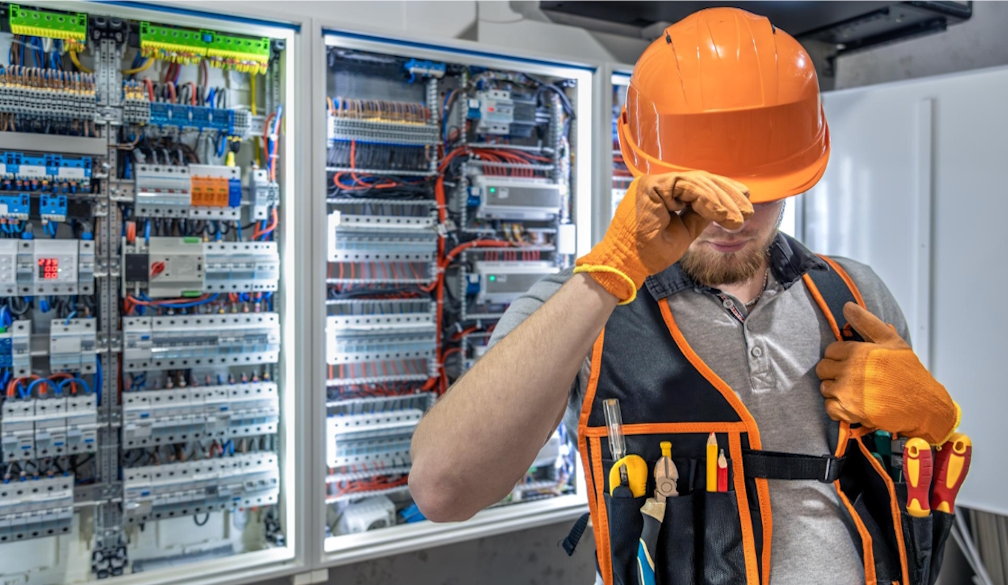
Electricians in the Sunshine Coast provide the expertise required to maintain the smooth operation of buildings and facilities by handling the installation, maintenance, and repair of electrical systems. These systems power lighting, appliances, communication devices, and machinery, forming the backbone of daily life and commercial activity.
Residential projects often involve wiring, lighting, circuit breakers, and outlets, while commercial and industrial installations may include distribution boards, emergency power supplies, and specialised equipment. Local knowledge is a valuable asset in this profession, and working with the team at Legacy Electrical ensures you have a Sunshine Coast electrician familiar with regional conditions and regulations who can deliver reliable and compliant electrical services.
The work of electricians extends across all sectors, affecting homes, offices, retail spaces, and industrial sites. This diversity requires adaptability and the ability to apply consistent technical standards under varying conditions. Projects can range from small repairs to large-scale installations, each demanding precise planning and attention to detail. Whether connecting a new lighting system in a home or designing power distribution for a factory, electricians maintain operational efficiency and safety while adapting to the requirements of the property and the people who use it.
Training and Professional Development
Becoming a qualified electrician involves a combination of hands-on experience and formal education. Apprenticeships serve as the foundation, combining practical work on live projects with classroom learning in electrical theory, circuitry, and safety practices. During training, aspiring electricians learn to interpret technical diagrams, operate a range of tools, and develop the dexterity required for precise installations. Supervised exposure to real-world challenges builds confidence and prepares trainees for the responsibilities they will face as fully qualified professionals.
Professional growth continues beyond initial certification. Electricians are expected to stay informed about updated safety regulations, new technologies, and emerging energy solutions. Continued learning allows them to remain competent in handling evolving systems, from traditional wiring to advanced home automation. By combining foundational skills with ongoing education, electricians sustain their ability to deliver reliable work and adapt to the changing demands of their trade.
Skills Required in Electrical Work
The role of an electrician demands a mix of technical knowledge, practical ability, and analytical thinking. Electricians must understand how electrical components interact within circuits, enabling them to design and install systems that perform efficiently. Troubleshooting skills are equally important, as diagnosing malfunctions requires careful testing, inspection, and logical reasoning. Precision in manual work is critical when handling wiring, connectors, and mounting hardware, particularly in tight or complex spaces.
Time management and project coordination also form part of the skill set. Construction or maintenance projects often follow strict schedules, and electricians must align their work with the progress of other trades. Clear planning and accurate execution prevent delays and maintain system reliability. These competencies together allow electricians to respond effectively to technical challenges, delivering functional and safe electrical systems for a wide range of environments.
Safety in Electrical Practice
Electrical work carries inherent risks, and maintaining safety is a fundamental aspect of the profession. Electricians use protective equipment, insulated tools, and structured procedures to prevent accidents while working on live systems or during maintenance tasks. Circuit isolation, lockout, and tagging practices minimise hazards and protect both technicians and those around them. Knowledge of electrical risks, such as electrocution or fire from improper installation, informs decisions at every stage of the job.
Routine inspections and testing form an integral part of safe practice. Electricians verify that systems operate correctly under load, confirm compliance with building regulations, and identify potential weaknesses before they become hazardous. This systematic approach to safety underpins all electrical work, ensuring that installations provide long-term protection for property and people.
Technology and Industry Progress
Advancements in technology continue to reshape the responsibilities of electricians. Renewable energy installations, such as solar panels and battery storage systems, have become increasingly common, requiring knowledge of both traditional and sustainable energy configurations. Smart home systems, automated lighting, and programmable controls are becoming standard in new installations, demanding electricians who are comfortable with digital systems and integration.
The rise of electric vehicle charging infrastructure adds further complexity to the trade. Dedicated circuits, protective devices, and careful planning are required to accommodate these installations. Electricians who adapt to these technological developments can support energy efficiency and sustainable practices while providing solutions that meet modern lifestyle and commercial demands.
Communication and Client Interaction
Technical skill alone does not define an electrician’s role. Electricians often work directly with property owners, builders, and facility managers, where clear communication is crucial. Explaining the condition of electrical systems, outlining options for repair or upgrades, and describing potential risks in understandable terms allows clients to make informed decisions. Professional behaviour, reliability, and respect during site visits help build long-term trust with customers.
Good communication also facilitates collaboration with other trades on construction sites. Coordinating schedules, confirming specifications, and documenting work accurately ensures that projects proceed smoothly and electrical systems are integrated effectively with other building components. These interpersonal skills enhance both the quality of work and client satisfaction.
Challenges Within the Trade
The electrical trade presents both physical and technical challenges. Working in confined spaces, at heights, or in outdoor environments requires attention to safety and endurance. Tasks can range from routine repairs to troubleshooting unexpected faults that disrupt business operations or household functionality. Such situations demand a calm, methodical approach and strong problem-solving skills.
Despite the challenges, the variety and tangible results of electrical work provide professional satisfaction. Completing installations or restoring functionality offers a clear sense of achievement. Job security remains high, as skilled electricians are continually in demand, and career progression is available through specialised training, supervisory roles, or entrepreneurship in the trade.
Conclusion
Electricians play a central role in maintaining the electrical systems that underpin modern life. Their expertise ensures that homes, businesses, and industrial sites operate safely and efficiently. Through structured training, practical experience, and ongoing professional development, electricians acquire and maintain the skills required to install, repair, and manage electrical networks across diverse environments. Advancements in renewable energy, smart technology, and electric vehicle infrastructure continue to broaden the scope of their work, while safety, communication, and technical precision remain core to the profession. The contributions of electricians are essential to daily living, economic activity, and the adoption of modern technological systems, making their role both highly valued and indispensable.


 Blackhawk Network VP Head of ANZ Kieran Nolan