Why investors shouldn’t panic during geopolitical shocks
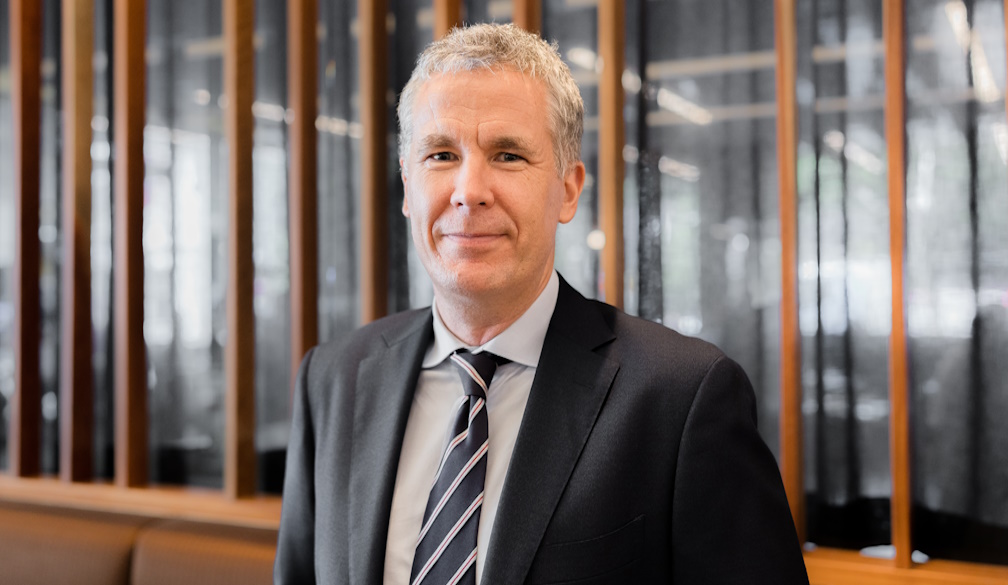
Ongoing Middle East tensions and concerns around potential energy supply disruption through the Strait of Hormuz are prompting a familiar behavioural response among investors, according to InvestmentMarkets CEO Darren Connolly.
Australian markets have shown renewed volatility in recent weeks, with the ASX experiencing sharp swings as investors react to concerns around potential oil supply disruptions through the Strait of Hormuz, one of the world’s most important energy transit routes.
During periods of market volatility, InvestmentMarkets typically sees increased investor interest in lower‑risk or more diversified strategies on its platform as investors reassess portfolio risk.
It’s a familiar pattern. When global events dominate the news cycle and markets turn red, commentary quickly shifts towards how to minimise losses. But knee‑jerk reactions to geopolitical developments can sometimes create more problems than they solve.
Darren Connolly, CEO of InvestmentMarkets, said moments like this mean investors, like everyone else, focus heavily on the latest headlines and ‘noise’ rather than the broader picture.
“When a conflict or major global event emerges, the first instinct for many investors is to adjust their portfolio immediately,” Connolly said.
“Markets can be very volatile in the short term, but geopolitical shocks are something markets have experienced many times before. In most cases they don’t fundamentally change the long‑term forces that drive investment returns.”
Connolly said investors should remember that markets are constantly processing a wide range of issues and risks at any given time, from economic conditions and interest rates through to political developments around the world.
“Geopolitical tension can certainly create periods of uncertainty, but it’s only one factor in a much bigger system,” he said. “Trying to reposition a portfolio every time a global event unfolds can lead investors to make reactive decisions that don’t always align with their longer‑term objectives.”
Instead, Connolly said the focus should remain on maintaining a disciplined investment strategy, particularly during periods of heightened uncertainty.
“A well‑diversified portfolio is designed to manage exactly these kinds of events,” he said. “Diversification across sectors, asset classes and geographies helps smooth out shocks when markets become unsettled.”
Connolly said investors should aim to build a “sleep‑well portfolio”, one that is structured to withstand periods of market stress without forcing investors to react to short‑term noise.
“If investors feel compelled to act every time markets become volatile, it’s often a sign the portfolio isn’t properly diversified,” he said. “One of the biggest risks during periods of market noise is panic selling. When investors sell, they may crystallise losses and miss the rebound when markets recover.”
While global events can create market movements in the short term, Connolly said investors who maintain perspective are often better positioned to navigate periods of uncertainty.
“Periods like this are a reminder that investing is a long‑term exercise,” he said. “Volatility is the price of admission and the fundamentals of diversification, discipline and patience matter most during these times.”