Why Businesses Are Rethinking Traditional Office Leases
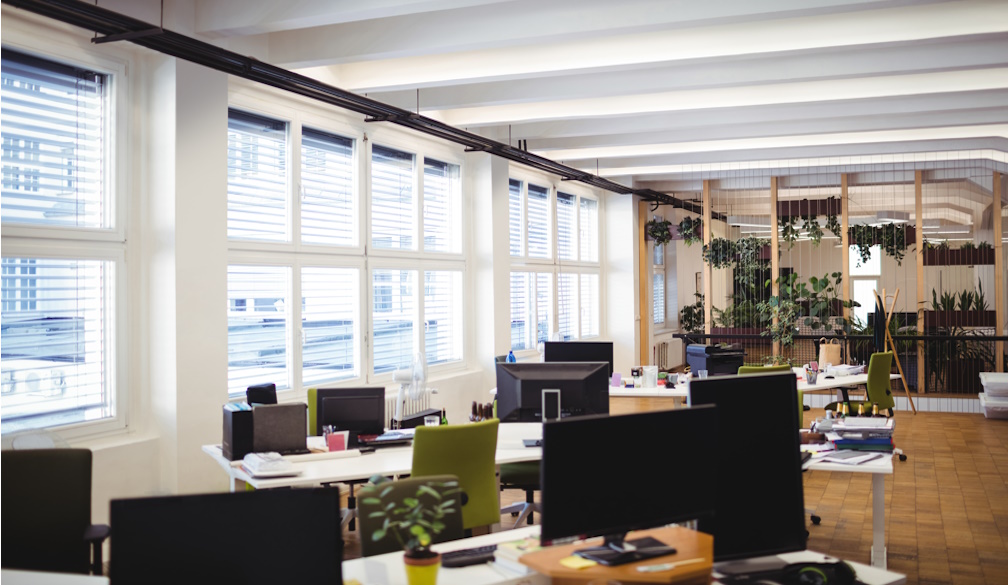
Image by peoplecreations on Freepik
In recent years, the concept of the traditional office has undergone a dramatic transformation. Long-term leases in high-rise towers were once a symbol of stability and success. Now, many companies are moving away from these rigid arrangements in favor of more flexible, cost-effective solutions. This shift isn't just a response to the rise of remote work—it's a strategic realignment shaped by evolving business needs and employee expectations.
Flexibility is the New Priority
One of the primary reasons why businesses are rethinking conventional office leases is the demand for flexibility. In uncertain economic times, locking into five- or ten-year lease agreements can feel like a gamble. Companies want the ability to scale up or down as needed without being tied to fixed costs. Flexible office spaces—whether they’re coworking environments or short-term rentals—allow organizations to adapt quickly to changing circumstances.
This agility has become especially important in industries where rapid growth or sudden downsizing is common. Startups, creative agencies, and even large corporations now favor shorter commitments that offer the freedom to pivot without penalties.
Cost-Effective Alternatives
Traditional office leases come with high upfront costs and hidden expenses—from furniture and utilities to maintenance and insurance. Flexible workspaces, by contrast, often include these elements in a single monthly fee. This makes budgeting easier and reduces the financial risk, particularly for small- and medium-sized businesses.
For companies looking to establish a presence in major business hubs without investing heavily in infrastructure, modern coworking spaces present an attractive option. One example is ADGM coworking office space, which offers ready-to-use offices in a premium location, catering to the dynamic needs of today’s professionals.
Changing Employee Expectations
Employee preferences are also driving the move away from traditional leases. The pandemic accelerated the adoption of remote and hybrid work, and workers are now seeking environments that combine flexibility with comfort. Large, fixed offices often feel outdated compared to modern coworking spaces that offer collaborative areas, breakout zones, wellness features, and better work-life balance.
Furthermore, companies are using office spaces more strategically—as venues for collaboration, innovation, and team building rather than everyday desk work. This means they no longer need sprawling spaces but rather well-designed environments that serve specific purposes.
Environmental and Social Considerations
Sustainability is another factor prompting businesses to rethink their leases. Maintaining large, underused offices can be wasteful both financially and environmentally. Shared workspaces, on the other hand, tend to be more resource-efficient. By sharing facilities, businesses can reduce their carbon footprint and contribute to a more sustainable approach to work.
In addition, shared office environments foster networking and community building. These social and professional interactions can lead to partnerships, innovation, and growth—benefits that traditional office setups often lack.
Conclusion
The traditional office lease model is no longer the default choice for many forward-thinking businesses. In its place, flexible and purpose-driven workspaces are rising in popularity, offering adaptability, cost savings, and improved employee experiences. As the world of work continues to evolve, businesses that embrace this new approach are likely to stay ahead—agile, efficient, and aligned with the future.


 Business Daily Media