How Data Collection Is Changing Decision-Making Across the Sports Industry
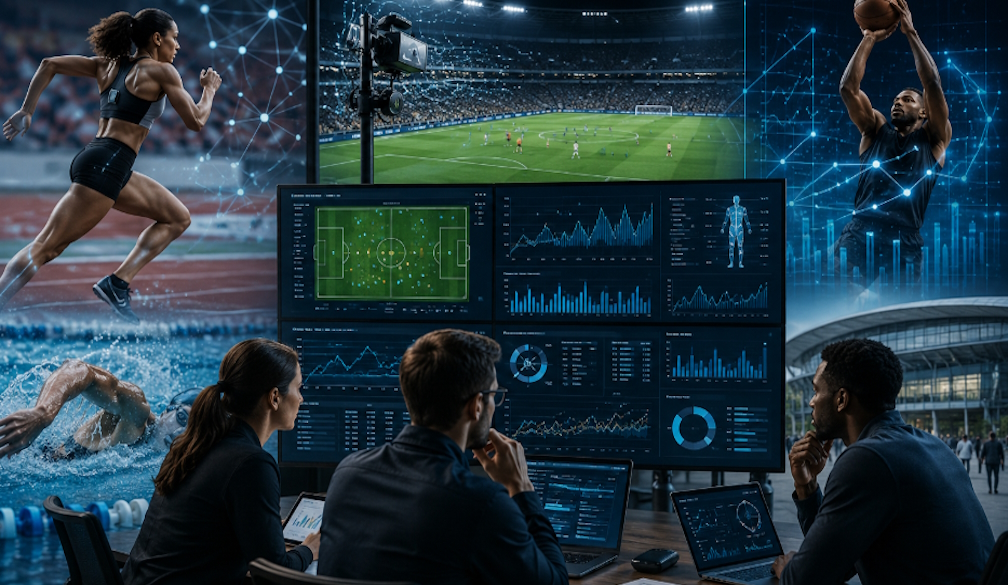
For most of sports history, experience was the currency. Coaches trusted their instincts. Scouts trusted their eyes. Managers leaned on whatever had worked before and adjusted when it stopped working. That approach built dynasties, and it still matters - but something has shifted, and it's been shifting for a while now.
Data is no longer a supplement to those instincts. In a lot of organizations, it's become the starting point.
This isn't just about tracking goals or yards gained. Teams are now collecting detailed information on how athletes move, how much physical load they carry across a season, how well they sleep, how quickly they recover, how long their decisions take in real game situations. What to do with all of that is a different question. But the information exists, and ignoring it has become harder to justify.
Performance Analytics and Coaching
Player tracking technology has changed what coaches actually know about what's happening on the field. Movement data, captured in fractions of a second, can show when a player is slowing down before that slowdown is visually obvious. It can map where an athlete is most and least effective relative to their teammates, or flag when fatigue is starting to compromise decision-making. That kind of picture used to take days of film review to put together, and even then it was incomplete. Now it's available close to real time.
That doesn't mean coaches are outsourcing their judgment to software. Most aren't. But the information they're working with is different, and so are the conversations they're having.
Recruitment and the Front Office
Recruitment has changed noticeably too. When a team can model a player's projected performance curve or quantify injury risk before signing a long-term contract, the process looks different. Scouts still watch games. Coaches still form opinions. But the data layer adds evidence that's harder to dismiss when a decision carries significant financial risk. It doesn't guarantee better outcomes, but it at least surfaces things that might otherwise stay hidden until it's too late.
Keeping Athletes Healthy
Some of the quieter progress has happened in sports medicine. Teams have gotten better at anticipating injuries before they happen rather than managing them after the fact. Wearable sensors track workload continuously, and when patterns emerge that have historically preceded certain types of injury, training staff can intervene. Not always, and not perfectly - but earlier than before.
Recovery has also become more personalized. Sleep quality, nutrition, and physical recovery data now feed into individual training plans. One athlete's optimal regimen at 24 may look quite different at 30, and the data is starting to reflect those differences more accurately than a general approach ever could.
Fans, Broadcasts, and Commercial Decisions
Data has extended well past the field. Broadcasters use statistics mid-game to add context - win probability, expected goals, possession trends - giving some viewers more to engage with while they watch. Whether every fan wants that level of detail is debatable, but the appetite exists, and the technology to serve it does too.
Sports organizations also use data to understand fan behavior: what content keeps people engaged, when they tune out, and what actually drives them to buy tickets or merchandise. It shapes pricing, scheduling, and content strategy. Less poetic than the sport itself, but it's part of how organizations stay financially stable. Check modern sports surveys, and you’ll learn way more than in years gone by.
Where It Gets Complicated
None of this is without friction. Athletes being monitored at the biometric level have legitimate questions about who owns that data and how it's being used. Those questions are still being worked out, and in some cases not being worked out fast enough.
There's also a real risk of overreach. Data can narrow focus just as easily as it can sharpen it. A team fixated on metrics can miss what doesn't show up in a dashboard - leadership, composure under pressure, the way someone holds a locker room together. The best organizations seem to use data as one input among several, not as a final answer.
What Comes Next
Predictive modeling and AI tools are getting more capable every year - simulating game scenarios, anticipating tactical patterns, identifying inefficiencies that would take human analysts much longer to find. The gap between teams using these tools effectively and those still catching up is likely to widen.
But the fundamentals remain. You still need athletes who perform when it counts, coaches who can motivate and adapt, and enough luck to matter. Data reduces some of the noise around those things. In a competitive industry, that's not nothing!