Sydney Car Buying Company Invests in Yard Expansion
- Written by: Business Daily Media
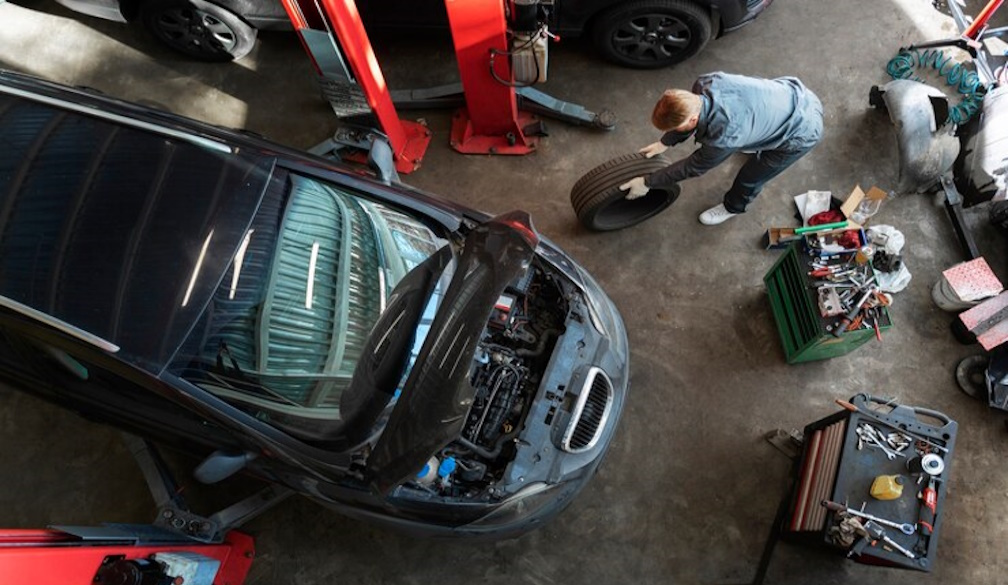
The growing demand for sustainable auto recycling is pushing Sydney wreckers to expand their operations, and this yard expansion marks a major leap forward. In 2024, several major Sydney-based wreckers and car buyers such as Cash For Car Buyer have ramped up their capacity to handle more vehicles, stock more parts, and offer quicker services to customers.
Why the Sydney Wrecking Industry is Growing
According to Cash for Car Buyer: “With the unprecedented global supply chain issues caused by Covid-19, there has been a huge increase in demand for used parts in Australia. This has meant that we’ve had to increase our yard capacity to store more cars and parts”.
With more Australians opting for second-hand parts to save costs, local wreckers have recognized the need to invest in larger yards to accommodate the influx of vehicles for dismantling and parts recovery.
Leading businesses in the industry, such as Cash For Car Buyer, are investing in new facilities and infrastructure. By expanding their yard space, they can process a higher volume of scrap vehicles, streamline the dismantling process, and store a broader range of used parts for popular brands like Toyota, BMW, and Mercedes
What This Means for Local Customers
With increased yard space and state-of-the-art equipment, customers can expect faster service, a larger inventory of parts, and more comprehensive recycling services. Whether you're looking to sell your old car for cash or source rare parts, these expansions will improve the availability of high-quality, affordable components.
Some of the benefits customers can look forward to include:
- Faster vehicle processing: Expanded yards mean quicker vehicle dismantling, which allows for faster availability of in-demand parts.
- Greater inventory: Larger storage capacity ensures a wider variety of parts from European, Japanese, and Australian vehicles.
- Sustainability: The investment in new facilities often includes eco-friendly practices, reducing waste and improving recycling rates.
Supporting the Circular Economy in Australia
By expanding their operations, Cash For Car Buyer is not only improving its services but also supporting the circular economy. Recycling automotive parts reduces the need for new manufacturing, conserving raw materials and reducing environmental impact. The yard expansions in Sydney align with global trends toward greener business practices, helping the city maintain its leadership in the sustainable auto industry.
Looking Ahead
The investment into yard expansions signals strong growth in Sydney's wrecking industry. It ensures that auto recyclers can meet increasing demand and continue providing essential services to mechanics, car enthusiasts, and the general public.
For those looking to cash in on old vehicles or buy used auto parts, now is an exciting time to connect with wreckers in Sydney, as expanded facilities offer improved options and more efficient service.