Cash-strapped clubs missing a goldmine: sports organisations urged to turn scrap metal into funding lifeline
Australia’s sporting clubs are being warned they are overlooking a simple, scalable and highly effective fundraising opportunity, with experts urging associations to rethink how they generate revenue in a challenging economic environment.
Recycling leader Manhari Recycling is calling on community sports clubs, schools, community groups and associations to tap into metal recycling as a powerful alternative income stream, at a time when traditional fundraising methods are under pressure.
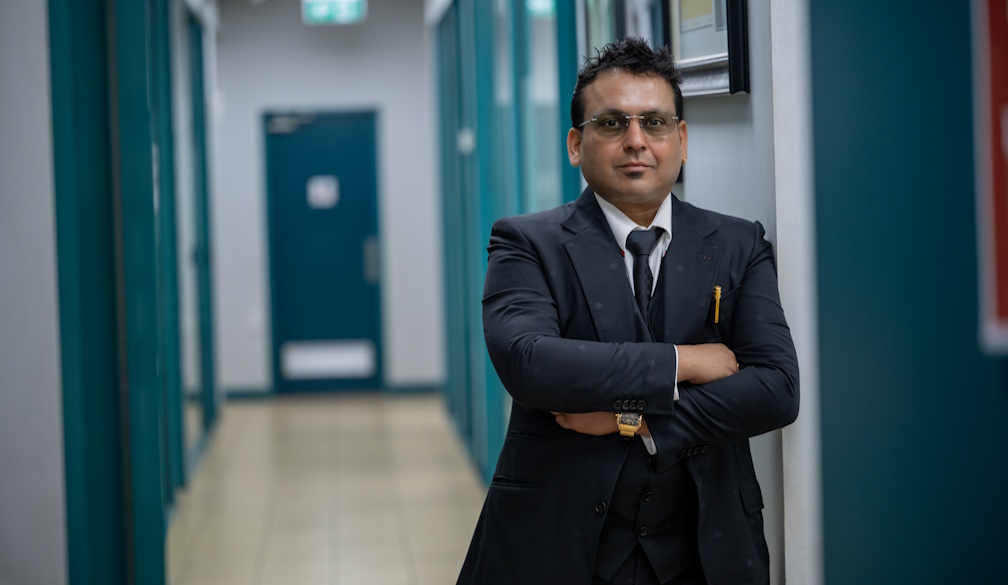
Founder and CEO Maddy Gupta said many clubs are struggling to stay afloat while sitting on an untapped resource.
“Clubs are working harder than ever to raise funds through raffles, sponsorships and events,” Maddy Gupta said.
“Yet many are overlooking something incredibly simple that could generate consistent income, scrap metal.”
A hidden revenue stream sitting in plain sight
Maddy Gupta said community organisations and sports clubs are uniquely positioned to generate scale through their networks of members, families and local communities.
“A single household may not have enough metal to make a difference, but a club with hundreds of members with friends and family absolutely does,” he said.
“Old bikes, broken equipment, fencing, tools, appliances, construction offcuts, these items are often sitting unused or thrown away, when they could be contributing to club funding.”
He said when aggregated, these materials can quickly add up to meaningful value.
“When clubs coordinate collections across their community, they create volume and that is where recycling becomes financially viable,” Maddy Gupta said.
From sausage sizzles to sustainable fundraising
With rising costs impacting everything from uniforms and equipment to facility maintenance and insurance, Gupta said clubs need to think beyond traditional fundraising.
“Fundraising has become harder. People have less disposable income and clubs are feeling the pressure,” he said.
“Metal recycling offers a way to raise funds without asking people to keep spending money. The model is simple, inclusive and repeatable.
“Instead of asking for donations, you are asking people to contribute items they no longer need. That is a much easier ask and it delivers real value.”
How it works
The first thing organisations and clubs need to do is to reach out and arrange the free delivery of a bin. They then let their members know about the establishment of the designated metal collection point at their ground or organise scheduled community drop-off days, encouraging members and local residents to bring in unwanted metal items to place in the bin.
“Once sufficient volume is collected, the bin is picked up and the materials can be processed and converted into revenue or cost offsets,” Maddy Gupta said.
“This is already how many businesses operate. They consolidate waste, manage it properly and benefit financially. Community groups and sports clubs can apply the same model at a community level.”
A win beyond the balance sheet
Gupta said the benefits extend beyond fundraising.
“This approach also strengthens community engagement and promotes environmental responsibility,” he said.
“Clubs become leaders in sustainability while solving a financial challenge. The model aligns strongly with growing expectations around ESG and community impact.
“People want to support organisations that are doing the right thing. This allows organisations and local clubs to demonstrate leadership while raising funds,” Maddy Gupta said.
A call to action for clubs under pressure
Gupta’s message to Australia’s sporting community is clear.
“If your club is struggling financially, you need to look at new ways to generate income,” he said.
“Metal recycling is one of the simplest and most underutilised opportunities available.”
He said the potential is significant for those willing to act.
“Every club has access to a community and every community has metal waste,” Maddy Gupta said.
“The question is, will clubs continue to leave that value on the table or start turning it into a funding solution?”
About Manhari Recycling
Founded in 2007 by Maddy Gupta, Manhari Recycling is one of Victoria’s largest and most trusted scrap metal recycling companies. With operations spanning nearly five hectares across Tottenham, Horsham and Ararat, Manhari processes over 250,000 metric tons of metal annually and exports to major manufacturing markets worldwide. The company offers comprehensive services including auto recycling, whitegoods disposal, construction scrap recovery and e-waste processing. Committed to innovation, sustainability and customer service, Manhari is evolving into a leader in circular economy solutions, helping industry and community reduce waste, recover value and build a cleaner, greener future for Victoria.
To get a free quote or book a pick-up, visit www.manhari.com.au