

Why Same-Day Utility Connections Are Becoming the New Standard
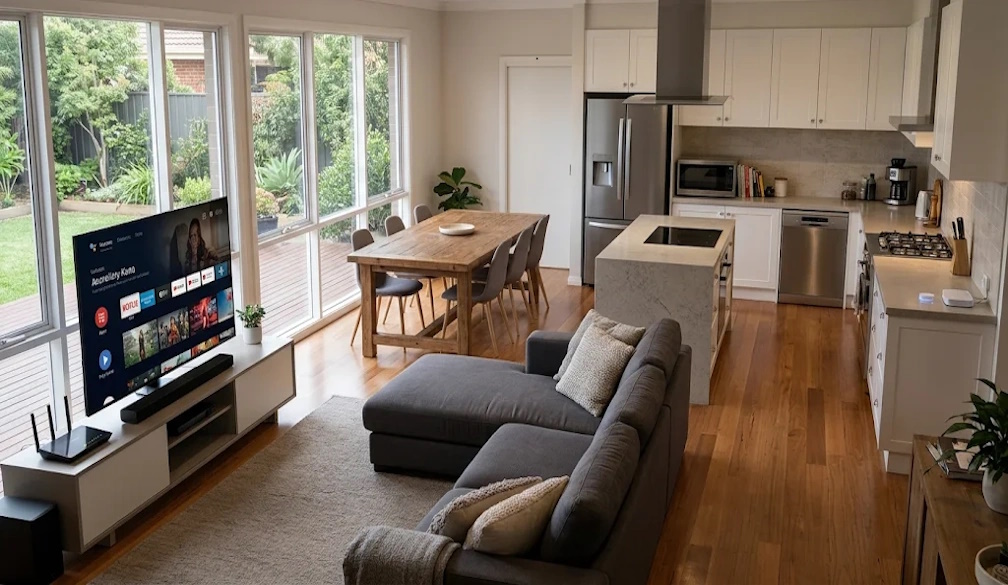
Moving house used to mean planning electricity and gas connections days in advance, often losing power for a night or two in between. That’s changing quickly. Same-day connections, once a rare and expensive exception, are becoming the default expectation for many Australian households, driven largely by a shift in the technology sitting on the side of the house rather than any change in regulation.
The biggest driver is the smart meter rollout. Older analogue meters required a technician to visit a property and manually switch the power on, which is why standard connections traditionally took around three business days. A smart meter communicates digitally with the distributor, so activating it is often just a remote command from an office rather than a scheduled site visit.
If you’re planning a move, understanding how this process works makes it much easier to connect utilities the same day, rather than assuming the old multi-day timeline still applies everywhere.
Not Every Connection Is the Same Speed
The type of connection needed makes a real difference to how quickly it can happen.
|
Connection type
|
What's involved
|
Typical speed
|
|
Re-energisation (existing meter)
|
What’s involved: The distributor switches an existing connection back on.
|
Typical speed: Same day, often remote
|
|
New connection (never connected)
|
What’s involved: Meter installation is required, sometimes by an electrician.
|
Typical speed: Several business days or more
|
|
Manual meter
|
What’s involved: Technician visit needed
|
Typical speed: End of day at earliest
|
|
Smart meter
|
What’s involved: Remote activation
|
Typical speed: A few hours in many cases
|
Cut-off times also matter. Same-day requests generally need to reach the distributor before an early-afternoon deadline on a business day, and that deadline varies by state and local network operator. Missing the cut-off typically pushes the connection to the next business day rather than causing a longer delay.
There’s Usually a Fee, But It Rarely Needs to Be Paid Upfront
Same-day and next-day connections almost always come with an added fee compared to a standard connection, as the distributor is prioritising the request. The cost varies by state and whether a technician visit is required, and it typically appears on the first bill rather than being paid at the time of booking. Weekend or after-hours connections tend to cost significantly more again, since they usually require a technician callout outside normal business hours.
A few things worth checking before booking a connection:
- Whether the property already has a smart meter, which usually enables faster, remote activation
- Whether the connection is a re-energisation or a genuinely new connection
- The exact cut-off time for same-day requests with the relevant retailer or distributor
- Whether someone needs to be present, since this requirement varies by state
A Faster Connection Doesn’t Mean the Best Plan
It’s easy to treat the connection call as a single task and lock in whatever energy plan the first available retailer offers, especially when moving day already has enough to manage. But the distributor largely sets the connection speed, and it doesn’t change based on which retailer or plan you choose.
That means the connection date and the plan decision are two separate questions. It’s worth taking a moment to compare rates before committing, rather than assuming the fastest option and the cheapest option are the same.
The Bottom Line
Same-day connections have gone from a costly exception to a realistic expectation, largely because smart meters have removed the need for a technician in many cases. The one thing that hasn’t changed is that a fast connection and a good energy plan are decided separately, so it’s worth taking the extra few minutes to compare rates even when the power needs to be on today.
Speak with our team if you need help comparing your options. Contact Connect With Us to discuss your connection needs.


 Emma Fawcett, CEO of Compare Club






