The Australian Enterprise Guide to Launching an APAC Hub in Singapore
Why Singapore Is a Strategic Base for Regional Expansion
For Australian companies with their eyes on Southeast Asia, setting up a regional headquarters in Singapore can give long-term growth a solid, practical footing. The city-state offers access to major Asian markets, a well-developed financial system, transparent regulations and excellent international connections. Changi alone puts a remarkable number of regional capitals within a short flight. Those advantages make Singapore an appealing choice for businesses that want to run regional operations from one place, rather than stretching their resources across several countries before they’re ready.
Singapore’s position between Australia and the wider Asia-Pacific region also makes it a natural spot for coordinating sales, partnerships, distribution and client relationships. Companies can stay closely connected to their Australian operations while building relationships in markets such as Indonesia, Malaysia, Thailand and Vietnam. A morning video call with the team in Melbourne and an afternoon meeting with a distributor flying in from Jakarta can comfortably fit into the same working day.
Getting into Singapore takes more than picking a convenient spot on the map, though. Office costs, incorporation requirements, staffing decisions and infrastructure planning can all shape how quickly a business finds its feet. Choosing the right workspace is therefore a genuinely important part of a successful expansion strategy, not an afterthought to sort out once everything else is done.
Understanding Singapore’s Competitive Commercial Property Market
Singapore’s commercial property market can be a tough nut to crack for businesses looking for office space singapore, particularly in the established central business districts. Prime locations come with excellent transport links and easy access to financial institutions, professional services and potential clients. Suitable premises in those areas can also be expensive and hard to secure at short notice.
Traditional commercial leases often involve serious financial commitments. Businesses may need to negotiate terms well in advance, pay deposits, buy furniture, arrange internet connections, install equipment and customise interiors to suit the way they work. Depending on the property and the agreement, these costs can push up the initial price of setting up a regional office considerably, often before a single client has walked through the door.
Lease obligations can also turn into a headache when expansion plans shift. A company entering Southeast Asia may start with just a handful of people, but hiring can pick up quickly as new markets open up. A team of three can become a team of twelve within a year. Growth can just as easily be slower than hoped, leaving a business paying for rows of empty desks in an expensive building.
Some commercial agreements include reinstatement or make-good clauses that require tenants to return the premises to an agreed condition before they leave. That can mean removing partitions, repairing walls and repainting, and those obligations can add a hefty bill at the very end of a lease.
For Australian businesses that don’t know Singapore’s property market well, weighing up these commitments carefully before signing anything is essential.
Incorporation and the Local Address Challenge
Setting up a Singapore company involves regulatory requirements that have to be dealt with before normal business can begin. The Accounting and Corporate Regulatory Authority (ACRA) oversees company registration and related compliance matters.
A Singapore company generally needs a registered office address in the country. That address has to meet the applicable legal requirements, including those relating to accessibility and the availability of company records and communications. It’s important for businesses to confirm that any proposed address arrangement satisfies current ACRA rules, rather than assuming that any local address will do.
This creates a practical puzzle for overseas companies. They may need a local presence to complete incorporation and related paperwork, yet they might not want to commit to a conventional office before the business is legally up and running and its real needs are clear. It’s a bit of a chicken-and-egg situation.
Flexible workspace arrangements can help solve this timing problem. Depending on the provider’s services and the applicable registration requirements, a suitable arrangement may offer access to a business address and workspace without tying the company into a long-term commercial lease.
A registered office address, a mailing address and a physical workspace aren’t automatically interchangeable, so it’s important to understand the difference between them. Confirming exactly which services are included before incorporation helps avoid compliance complications later on, when the last thing a new regional team needs is a regulatory problem to untangle.
Why Coworking Offers Greater Flexibility
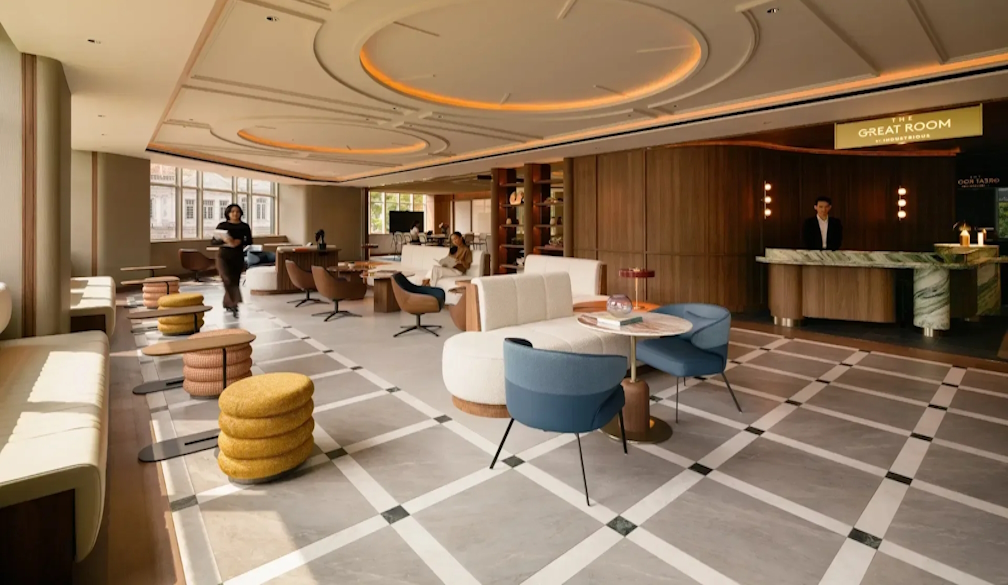
Coworking arrangements give businesses access to professionally managed work environments without the effort of building an entire office from scratch. Options may include shared desks, dedicated workstations, private offices, meeting rooms and access to common facilities, from kitchens to quiet phone booths.
For Australian enterprises entering Singapore, that flexibility can be particularly valuable in the early stages of regional expansion. A small market-entry team can start out in a modest space and reassess its needs as recruitment, client activity and revenue develop. If things take off, there’s room to grow. If they move more slowly, there’s no expensive empty floor sitting idle.
A company comparing a coworking space singapore arrangement with a conventional office will want to look beyond the headline monthly price. Contract length, included utilities, internet access, meeting-room availability, privacy, access hours and the ability to scale capacity up or down all matter just as much. A cheap desk isn’t much of a bargain if there’s never a meeting room free when an important client is in town.
Managed workspaces can also take a lot of the administrative load out of setting up an office. Depending on the agreement, furniture, connectivity, reception services and shared facilities may already be in place on day one. Nobody has to spend their first fortnight chasing an internet installer or assembling desks. That frees management to focus far more energy on winning customers, hiring the right people and building regional partnerships.
Improving Cost Predictability During Expansion
Expanding into another country brings a fair amount of financial uncertainty. Businesses have to budget for recruitment, professional services, marketing, travel, compliance and local running costs, all while finding out whether their products or services will actually catch on.
A traditional office can pile another layer of fixed costs on top of that, especially when the company has to pay for fit-outs, equipment, maintenance and space that may not be fully used for months.
Flexible workspace agreements can make some of these costs easier to forecast by bundling facilities and services into one regular payment. Instead of funding a complete office fit-out, a company may be able to move into an existing environment and simply pay for the arrangement it has chosen. For a finance team back in Sydney trying to keep a close eye on regional spending, that predictability is very welcome.
Coworking isn’t always the cheaper option, though. Private offices, premium locations, extra services and heavy use of meeting rooms can all push monthly costs up. A fair comparison looks at the total cost of each option over the expected period of occupancy, including deposits, service charges, taxes and any exit obligations.
For companies whose growth forecasts are still uncertain, avoiding heavy upfront spending may matter just as much as the direct cost comparison. Money that isn’t locked into an office fit-out can go towards hiring, marketing or another trip to meet a promising partner.
Choosing the Right Location and Workspace
Location works best when it supports the way the company actually operates, rather than simply reflecting the prestige of a particular business district. Firms that meet clients regularly may benefit from being close to good transport connections and commercial centres. Teams that do most of their work online may care far more about affordability and an easy commute on the MRT.
Before choosing a workspace, it helps for Australian businesses to think carefully about their expected team size, how often they’ll meet clients, their confidentiality requirements, their technology needs and how much they expect to grow over the next 12 to 24 months.
Internet reliability, building access, meeting-room booking policies, visitor arrangements, security and the terms covering additional users all deserve a close look as well. A team that relies on long video calls with head office needs a connection that won’t drop out halfway through a quarterly review. Companies handling sensitive information may need to examine network security and private-office options with particular care.
For businesses planning to expand beyond Singapore, it’s also worth thinking about how well the workspace supports collaboration between regional staff, the Australian headquarters and international clients. A space that works well for three people in their first month may need to support visiting executives, regional hires and partner meetings a year later.
Building an Agile Foundation for APAC Growth
Singapore can give Australian companies a strong base for reaching Southeast Asian markets, but successful expansion depends on balancing opportunity with financial discipline. An impressive office with a view across the harbour doesn’t guarantee regional success, especially when a business is still testing demand and building its first local relationships.
Flexible workspaces offer an alternative to signing up straight away for a large, fully fitted commercial office. By combining adaptable capacity with access to essential facilities, they can help companies get their operations started, keep early costs under control and respond as their business needs change.
The most effective approach treats workspace selection as part of the wider market-entry plan rather than a separate decision. By working through regulatory requirements, comparing total occupancy costs and choosing arrangements that match realistic growth forecasts, Australian enterprises can build a far more adaptable foundation for their Asia-Pacific operations. It’s a sensible way to make sure the business is ready for growth when it comes, without paying for it long before it arrives.


 Business Daily Media