Why Electric Bikes Are Booming in Australia
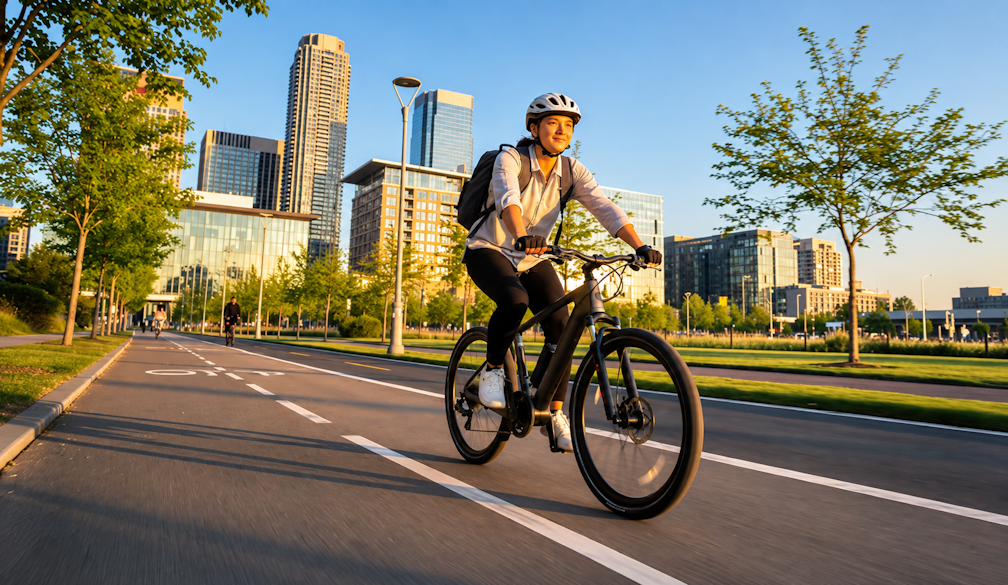
Australian e-bike sales have surged dramatically in recent years. E-bikes now appear on shared paths from Melbourne's Capital City Trail to Brisbane's Riverwalk every morning.
The reasons are practical. E-bikes reduce commuting costs with minimal charging expenses; a full battery charge costs cents, not dollars. Electric bikes help riders travel longer distances effortlessly, turning a sweaty 15 km ride into a smooth ride at moderate effort. E-bikes produce zero emissions, promoting eco-friendly travel in congested cities. And e-bikes provide adjustable pedal assist for customizable workouts, so commuting doubles as exercise.
For a 10 to 15 km city commute, an e bike often matches or beats car travel time during peak hours by bypassing traffic jams and skipping the hunt for parking. Australian households are replacing second cars with electric bicycles for errands, school runs, and grocery trips. A Perth retailer reported weekly sales rising from 4 units to 30 units over ten days as fuel prices climbed.
Types of Electric Bikes in Australia
Choosing the ideal e bike starts with matching the bike type to your riding style. Here is what each category offers.
Commuter and city electric bikes feature upright posture, mudguards, integrated lights, and racks. Commuter e-bikes are designed for comfortable rides up to 50 km. Most standard commuter electric bike batteries offer ranges between 50 km to 80 km per charge. Electric bike features like built-in lights and mudguards enhance everyday usability, making these the top picks for city commuters.
Mountain e-bikes are built for off-road riding and steep hills. Hardtail or full-suspension frames, wider tyres (2.6 to 3.0 inches), and motors tuned for 70 to 90 Nm torque suit trails in the Blue Mountains, Tasmania's Derby network, or Canberra's Stromlo. Electric mountain bikes pair an adventurous spirit with motor-assisted climbing.
Cargo e bikes carry children, groceries, and gear. Cargo e-bikes can carry significant loads like groceries or children, with payload ratings of 80 to 120 kg. Long-tail and front-loader styles with dual batteries replace cars for family errands and transport.
Folding e-bikes are ideal for commuters with limited storage. A foldable electric bike with 20 to 24 inch wheels folds in seconds for apartment living, caravan travel, or mixing cycling with trains. Electric folding bikes are available online and in-store across Australia. Weight and folded size are the key buying considerations.
Electric bikes suitable for casual riding typically have step-through frames, which also help riders with mobility constraints. Electric trikes offer stability for seniors and those with balance issues. Electric bikes typically weigh between 15 kg and 30 kg depending on type.
Australian E-Bike Laws, Safety, and Where You Can Ride
Electric bikes in Australia must comply with specific national power and speed limits. The motor assistance on electric bikes must cut out at speeds of 25 km/h. To be classified as a standard bicycle, an electric bike must have functioning pedals, a maximum continuous motor power of 250 watts, and compliance with EN 15194; compliance with EN 15194 is widely recommended or mandatory depending on jurisdiction. Electric bikes exceeding power limits may be categorized as unregistered motor vehicles.
Electric bikes classified as standard bicycles do not require a licence or registration if they meet regulations. Electric bike laws vary by state; Queensland's updated rules set a minimum rider age of 16 and require compliance labelling from August 2026. NSW is phasing toward full 250W/EN 15194 alignment by 2029.
Riders of electric bikes must wear helmets that comply with Australian safety standards. Electric bikes must have at least one working brake and a warning device like a bell or horn. Using a handheld mobile phone while riding is illegal. Hydraulic disc brakes are recommended for electric bikes to ensure safe stopping in various conditions. For a clear visual explainer on these rules, this YouTube walkthrough of Australian e-bike laws covers the speed limit, public roads access, and shared-path etiquette.
How to Choose the Best Electric Bike for Australian Conditions
Choosing the right electric bike depends on intended use, budget, and local standards. This checklist helps riders find the perfect fit.
Mid-drive motors provide superior hill-climbing ability and a more natural riding feel, placing weight centrally on the frame. Hub motors are generally more affordable and suitable for flat terrain. Motor power matters less than torque (Nm) for steep hills in cities like Hobart or Canberra.
Battery capacity, measured in watt-hours, influences the distance an electric bike can travel on a single charge. Typical capacities run 400 to 750 Wh, delivering 40 to 100+ km of range depending on rider weight, hills, wind, and assist level. The RILU BOLT offers a 70 km+ range with a 504 Wh battery. The Vamos Rapido is designed for daily commuting reliability. Electric bikes can assist riders up to 25 km/h legally. Plan for 20 to 30% more range than your daily commute requires.
Electric bikes are heavier than normal bikes, so consider their weight for transport. Step-through frames suit convenience; diamond frames suit speed. Disc brakes, 9 to 11 speed drivetrains for hilly areas, and puncture-resistant tyres with quality components round out a reliable build. A quick checklist: check motor, battery, frame, brakes, tyres, weight, price, and after sales support before any purchase.
Where to Buy Electric Bikes in Australia and Why After-Sales Support Matters
Electric bikes can be purchased online or at local bike shops. Specialist ebike shops let you test ride multiple models, compare commuter vs foldable vs cargo e bikes, and get immediate answers on fit and road legal compliance. Local dealers provide better after-sales support than online-only brands, with access to spare parts, qualified technicians, and responsive service.
RILU e-Bikes are sold through a national dealer network of retailers across the country. Eazybikes offers a range of e-bikes for various riding styles in Perth. When buying online, demand clear warranty terms (1 to 2 years on frame and electronics), Australian-based customer service, and transparent shipping costs.
After sales support is what separates a five-year bike from a two-year one. Availability of batteries, chargers, and controllers matters. A Melbourne commuter who buys a mid-range e bike online, then uses a local shop for brake service and battery health checks, gets years of reliable use. You can start comparing models, pricing, and support options across categories in one place through curated Australian collections of trusted brands and quality products.
Real-World Use Cases: Matching E Bikes to Australian Lifestyles
A city commuter living in Brunswick rides 12 to 15 km into Melbourne CBD each way. A step-through commuter e bike with integrated lights, fenders, a rear rack, and a 500 Wh battery handles the ride across all seasons. This lifestyle suits riders who want confidence in predictable travel times, affordable running costs, and fun on the pedal home.
An off-road enthusiast in Brisbane picks a full-suspension electric mountain bike with 80 Nm torque, 2.8 inch tyres, and a 700 Wh battery. Weekend rides on fire roads and singletrack near Mount Coot-tha or Daisy Hill deliver the convenience of motor assistance on climbs while keeping the workout honest.
A car-light family in an inner suburb uses a cargo e bike with certified child seats and panniers for school runs, market shopping, and weekend park outings. Regular maintenance is key for e-bike longevity under these heavy-use conditions. Check brakes, tyres, and drivetrain components regularly. Keep e-bike battery charge between 20% and 80% for longevity.
A grey nomad carrying a folding e bike in a motorhome uses it for sightseeing along the NSW North Coast or WA's south-west. Compact self assembly and a removable battery make store and transport easy. An older rider returning from injury picks a low-step electric bike with adjustable pedal assist, rebuilding fitness on longer distances without overexertion on hills.
FAQ: Electric Bikes in Australia
Do I need a licence or registration to ride an electric bike in Australia?
For standard road legal electric bikes (250W continuous, pedal assist capped at 25 km/h, functioning pedals), you do not need a driver's licence, registration, or compulsory insurance. Bikes with higher power or throttle-only operation may be treated as motor vehicles requiring registration. Check your state's transport department for current rules.
How long do e-bike batteries last and how should I look after them?
Most quality lithium-ion batteries last 3 to 7 years or roughly 500 to 1,000 full charge cycles. To extend battery life: avoid extreme heat, do not store the battery fully flat, charge only with the supplied charger, and store long-term at 40 to 70% charge. E-bikes should be serviced every six to twelve months to check battery health alongside brakes and electrical connections.
Can I ride my electric bike in the rain?
Modern electric bikes sold in Australia handle light to moderate rain thanks to sealed connectors and housings. They are not designed for submersion or creek crossings. After wet rides, dry the bike and inspect braking surfaces. Avoid high-pressure washers when cleaning e-bikes, as water jets can force moisture into sealed motor and battery housings.
What maintenance does an electric bike need compared with a regular bicycle?
E-bikes share routine maintenance with standard bicycles: chain cleaning, tyre pressure, brake pad replacement, gear adjustment. The added weight and power of an electric bike place more stress on brakes and drivetrain, so professional servicing every 6 to 12 months is recommended, covering electrical connections, firmware updates, and battery diagnostics.
Can I fly with my e-bike or send it interstate?
Large lithium batteries on electric bicycles typically exceed airline limits for checked and carry-on luggage. Flying with a complete e bike is rarely practical. Alternatives include shipping by road freight with a specialist carrier, renting an e bike at your destination, or travelling with a smaller battery under airline limits while sourcing a compatible pack locally.


 Business Daily Media