How Small Businesses Can Cut Overhead Costs Using Flexible Storage
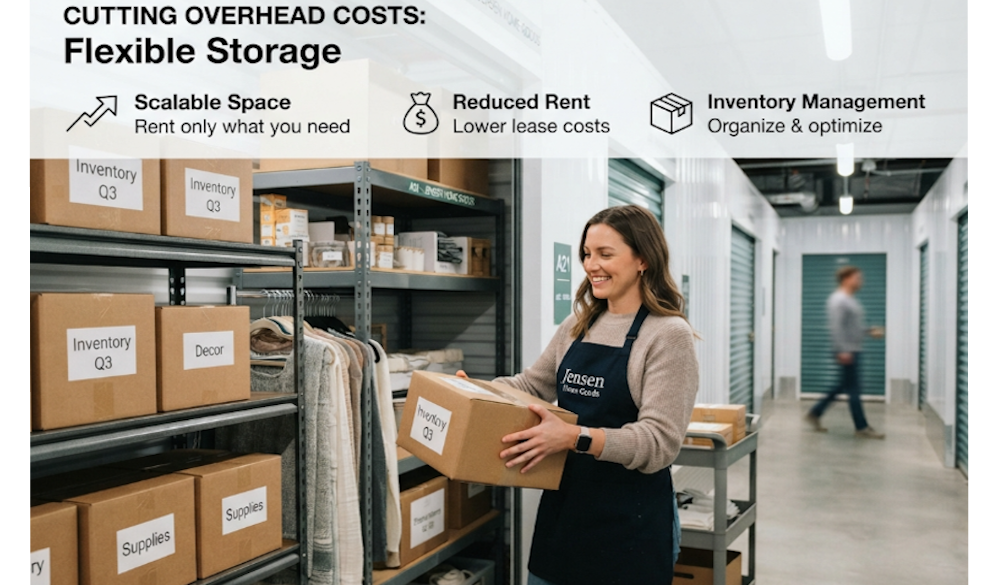
Running a small or medium enterprise in today's economy requires a constant balancing act between fostering growth and managing cash flow. Financial experts routinely advise business owners to maintain sufficient operating reserves, a benchmark that is becoming increasingly difficult to achieve when capital is tied up in fixed operational costs. Many SMEs continue to face rising overhead expenses, making it more challenging to maintain healthy cash flow. Finding innovative ways to enhance your business without increasing overhead costs is no longer simply a strategy for improving profitability. It has become essential for long-term resilience in an unpredictable market.
The Rising Toll of Commercial Real Estate on SMEs
One of the heaviest financial burdens for any physical or product-based business is commercial real estate. In rapidly growing digital markets such as Thailand, the continued expansion of e-commerce has significantly increased demand for warehouse and logistics space. Much of this growth has been driven by mobile commerce, encouraging businesses to hold inventory closer to customers in order to support faster order fulfilment.
However, growing demand has pushed warehouse rental costs higher across the market. As property expenses continue to rise, businesses are facing increasing pressure to manage their operating costs more carefully. Many organisations are responding by optimising their property portfolios and prioritising flexible space solutions over long-term expansion commitments.
Why Flexible Storage is Becoming a Viable Alternative
Traditional commercial leases often demand multi-year commitments, substantial upfront deposits, and a host of supplementary utility expenses. For a growing retail or e-commerce business, this rigid structure severely limits the ability to scale space up or down based on seasonal demand. If a business only needs extra capacity for a major holiday rush or an end-of-year sales event, paying for an oversized warehouse year-round quickly eats into profit margins and depletes cash reserves.
This dilemma is driving a widespread shift toward alternative space management solutions. The global self-storage market has expanded significantly, currently encompassing over 2.1 billion square feet of rentable space in 2026 to meet surging commercial and residential demand. Instead of getting locked into long-term warehouse contracts, savvy entrepreneurs are actively comparing their traditional lease obligations against current self storage prices to run accurate cost-benefit analyses. By transitioning to a month-to-month model, companies can transform a fixed overhead cost into a variable expense that scales perfectly with their revenue. Medium-sized storage units, which now make up roughly 35 percent of the market, are heavily utilised by small businesses to store retail inventory, office equipment, and archival documents without the burden of a traditional commercial lease.
Core Benefits of Shifting to a Scalable Storage Model
Traditional commercial leases often require long-term commitments, substantial upfront deposits, and a range of additional operating expenses. For growing retail or e-commerce businesses, this rigid structure limits the flexibility to adjust storage capacity according to changing demand. Businesses that only require additional space during peak trading periods can end up paying for unused warehouse capacity throughout the year.
Adopting a more adaptable approach to inventory and equipment management provides several distinct benefits:
- Elimination of complex lease terms: Flexible storage typically operates under straightforward agreements that provide greater freedom to relocate, expand, or reduce storage capacity as business requirements change.
- Reduction of hidden overheads: Traditional warehouses often require businesses to cover electricity, water, private security, and routine property maintenance. Many storage facilities include these essential services within a single predictable pricing structure, simplifying budgeting and expense management.
- Better inventory localisation: With mobile commerce dictating consumer expectations for lightning-fast shipping, businesses can rent smaller units across multiple strategic locations. This decentralised approach places goods closer to the end consumer, significantly reducing last-mile delivery times and expensive courier costs.
- Improved cash flow management: By freeing up capital that would otherwise be tied down in hefty commercial rental deposits, SMEs can redirect those funds into vital growth areas like marketing campaigns, technology integration, or new product development.
Maintaining a Lean Operation for Future Growth
Navigating today's volatile economic landscape requires business leaders to think critically about every single line item on their balance sheet. Holding onto outdated operational models simply because they are the industry norm can severely handicap a growing business, especially when fixed property costs continue to climb. By re-evaluating how physical space is used and embracing flexible, scalable alternatives, SME owners can drastically reduce their overhead costs. Ultimately, staying lean and protecting cash flow is the most effective way to weather economic pressures, ensuring the business remains resilient, agile, and primed for sustainable long-term success.


 Business Daily Media