The Rise of Craft Beer Tourism in Western Australia
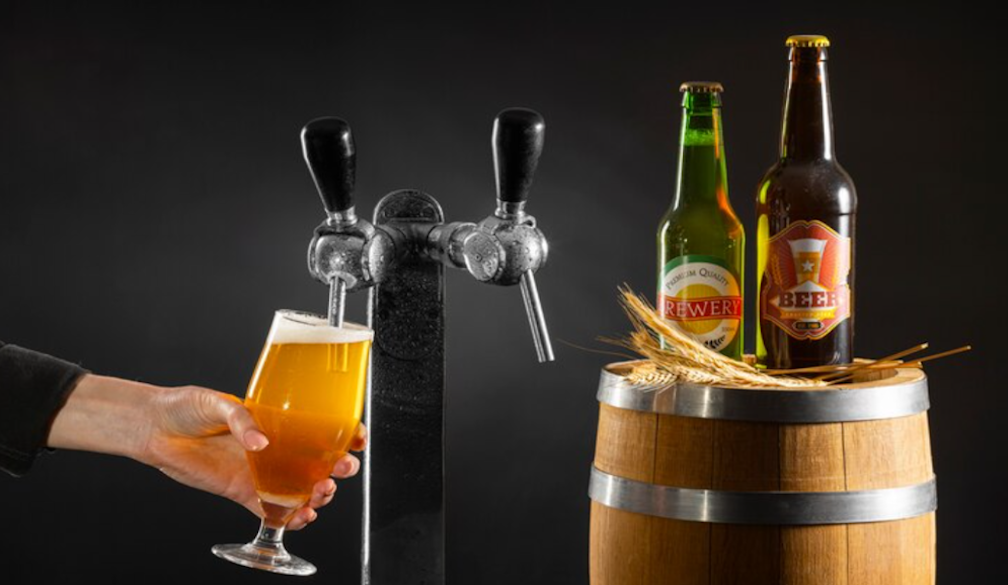
The global tourism sector is undergoing a significant paradigm shift. Modern travelers are no longer merely seeking picture-perfect destinations; instead, they are pursuing authentic experiences that blend culture, community, and local flavors.
In Western Australia, this trend has led to remarkable growth in the craft beer tourism sector. The combination of a rich agricultural heritage, innovative independent breweries, and breathtaking natural landscapes has transformed the region into one of the world's leading craft beer destinations.
This growth is not only reshaping the culinary landscape but also serving as a key economic driver for regional development and strengthening the local hospitality ecosystem.
Exploring Supply Chains and Raw Ingredient Sustainability
The success of craft beer tourism in Western Australia is deeply intertwined with the strength and resilience of domestic agricultural supply chains. Independent breweries rely heavily on premium starch-based commodities to ensure optimal fermentation processes and create distinctive flavor profiles.
Interestingly, this dynamic reflects a broader global shift in the food manufacturing industry, which increasingly prioritizes pure, traceable, and sustainably sourced raw materials.
Just as modern food manufacturers use high-grade stabilizers to maintain texture and quality consistency in premium products, craft brewers in Western Australia continuously assess and refine their grain sourcing practices.
Prioritizing sustainable ingredients has evolved from a behind-the-scenes operational decision into a core brand philosophy that strongly resonates with today's environmentally conscious travelers.
Iconic Destinations and the Evolution of Hospitality Space
The beating heart of Western Australia’s brewing movement lies in its fertile regional valleys, where agricultural traditions seamlessly blend with contemporary entrepreneurship. One particular region stands out as a pioneer of this experiential travel movement.
The Strategic Transformation of the Swan Valley Hub
The historic Swan Valley Brewery offers a curated sensory journey, where locally owned breweries provide visitors with an immersive farm-to-glass experience.
At these venues, tourists do not simply consume the final product; they can witness the brewing process, engage directly with head brewers, and learn the unique story behind each batch.
This seamless integration of education and leisure has proven highly effective in increasing visitor dwell time and generating economic value for regional communities.
By encouraging tourists to spend more time exploring local businesses and experiences, the brewery sector contributes significantly to the sustainability and growth of Swan Valley’s tourism economy.
Designing Inclusive and Pet-Friendly Ecosystems
Beyond product excellence, the operational landscape of hospitality venues across the state is undergoing a cultural evolution.
Smart venue operators recognize that creating inclusive spaces for all family members, including domestic pets, is a powerful strategy for customer retention and brand loyalty.
The rapid growth of the dog-friendly pub concept along Perth’s coastline and outer suburbs highlights how businesses are adapting to modern lifestyle expectations.
These pet-inclusive spaces foster a relaxed, community-centric atmosphere, making them highly attractive to both local patrons and road-tripping domestic tourists.
Microeconomic Multipliers and Global Operational Standards
The exponential growth of independent brewery tourism creates multiplier effects across various industries, often extending beyond national borders through global tourism networks. Rising visitor numbers increase the demand for operational efficiency and effective hospitality management.
Synergies in B2B Operational Outsourcing
Managing sudden influxes of tourists in major holiday destinations requires seamless backend logistics.
Whether operating a premium estate lodge in Western Australia or a tropical beachfront resort in Southeast Asian destinations like Indonesia, hospitality managers often rely on strategic B2B partnerships to streamline daily operations.
World-class accommodations frequently outsource labour-intensive operational tasks to specialised providers to maintain impeccable linen standards while keeping overhead costs predictable.
These behind-the-scenes business-to-business partnerships form the operational backbone that helps sustain the international reputation of high-traffic tourist destinations.
Key Growth Indicators of Western Australia's Craft Beer Tourism
To provide a clearer view of the industry's economic trajectory, the following table outlines the key performance indicators driving the regional hospitality market:
|
Industry & Tourism Indicators |
Estimated Annual Growth |
Primary Regional Economic Impact |
|
Regional Visitor Influx |
+ 18.5% |
Drives accommodation occupancy and secondary retail spending outside urban centers. |
|
Job Creation & Employment |
+ 22.0% |
Expands local employment options across production, guiding, and hospitality operations. |
|
B2B Partnership Integration |
+ 15.0% |
Strengthens local supply chain contracts and increases adoption of external professional services. |
|
Food & Beverage Yield |
+ 25.4% |
Introduces premium product tiers that elevate profit margins for independent venue owners. |
Through this integrated framework, Western Australia has successfully positioned itself as a benchmark for how local culinary assets can be leveraged into a sustainable, highly respected, and economically robust global tourism narrative.
FAQ
Q: Why has the Swan Valley region become such a dominant hub for craft beer production?
A: The Swan Valley combines fertile agricultural terrain with an established history of beverage production. Its close geographical proximity to Perth’s central business district makes it an ideal escape for travelers seeking high-end culinary experiences, educational brewery tours, and scenic rural landscapes within a short transit window.
Q: How does the pet-friendly venue trend impact local hospitality revenue?
A: Incorporating pet-friendly initiatives, such as open-door policies for dogs, expands a venue’s accessible demographic market. Venues that accommodate pets generally record longer customer dwell times and a higher frequency of repeat visits, which directly correlates to increased average spend per table.
External References & Resources
For more information on planning your journey and exploring the broader cultural landscape of the region, please refer to the following resources:
-
Tapioca Starch: Information on tapioca starch as a commodity, commonly used in biodegradable packaging and food-related applications.
-
Laundry Service Bali: A guide to commercial laundry services supporting high-turnover hospitality operations in Bali.


 Business Daily Media