How 3PL Logistics Australia Supports Efficient Supply Chain Management
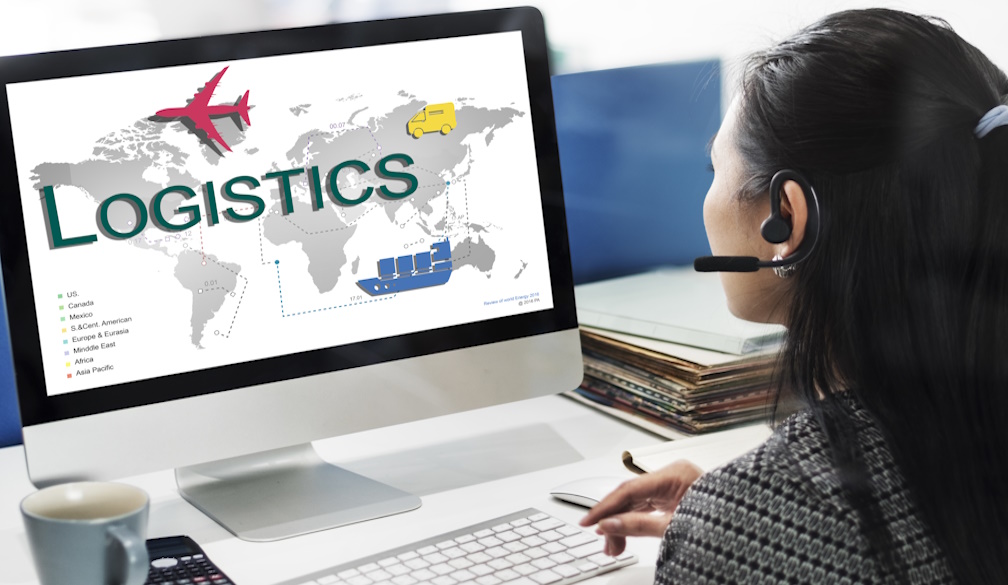
Managing a supply chain has become increasingly complex as customer expectations continue to rise and businesses expand into new markets. Fast delivery, accurate inventory management, and seamless order fulfilment are now essential for maintaining customer satisfaction and competitiveness. This is why many organisations are turning to 3PL logistics Australia solutions to improve efficiency, reduce operational burdens, and support sustainable business growth.
The Growing Importance Of Logistics In Modern Business
Logistics plays a critical role in ensuring products move efficiently from suppliers to customers. Every stage of the process, from warehousing and inventory control to packaging and transportation, contributes to overall business performance.
As businesses grow, managing these responsibilities internally often becomes more challenging. Increased order volumes, multiple sales channels, and expanding customer bases require sophisticated systems and processes. Without effective logistics management, delays, stock issues, and customer dissatisfaction can quickly emerge.
Professional logistics support helps businesses overcome these challenges while maintaining high operational standards.
Understanding Third-Party Logistics Services
Third-party logistics providers offer specialised services designed to manage key supply chain functions on behalf of businesses. These services commonly include warehousing, inventory management, order fulfilment, shipping coordination, and returns processing.
By outsourcing these functions, businesses gain access to experienced logistics professionals and established infrastructure without investing heavily in their own facilities and systems. This arrangement allows organisations to focus on their products, customers, and growth strategies while logistics experts manage day-to-day fulfilment operations.
The result is often a more streamlined and efficient supply chain.
Improving Inventory Management Accuracy
Maintaining the right inventory levels is essential for meeting customer demand while controlling costs. Excess stock can increase storage expenses and tie up capital, while insufficient inventory may result in missed sales opportunities and customer frustration.
Third-party logistics providers use advanced inventory management systems that provide real-time visibility into stock levels and product movement. This technology helps businesses make informed purchasing decisions and respond quickly to changes in demand.
Accurate inventory management improves operational efficiency and supports better financial performance across the organisation.
Enhancing Order Fulfilment Performance
Order fulfilment directly affects customer satisfaction. Delayed shipments, incorrect orders, and inventory shortages can damage a company's reputation and reduce customer loyalty.
Professional logistics providers utilise established fulfilment processes designed to maximise accuracy and speed. Orders are processed efficiently, inventory is tracked carefully, and shipping procedures are optimised to minimise delays.
These improvements help businesses consistently meet customer expectations while maintaining a positive brand experience throughout the purchasing journey.
Supporting Business Scalability
One of the greatest advantages of outsourced logistics is scalability. Business growth often creates additional demands on warehousing capacity, staffing, and operational resources.
Third-party logistics providers are equipped to accommodate changing business requirements. As order volumes increase, logistics partners can expand their services without requiring businesses to invest in additional infrastructure or personnel.
This flexibility allows organisations to pursue growth opportunities confidently while maintaining operational efficiency and service quality.
Reducing Operational Costs
Managing logistics internally involves significant expenses related to facilities, equipment, staffing, technology, and transportation. These costs can place pressure on profitability, particularly for growing businesses.
Outsourcing logistics functions often provides access to economies of scale that reduce operational expenses. Logistics providers can leverage shared resources, established networks, and advanced systems to deliver services more cost-effectively.
Lower operating costs enable businesses to allocate resources toward strategic initiatives such as product development, marketing, and customer acquisition.
Leveraging Advanced Technology
Technology has transformed supply chain management by improving visibility, accuracy, and efficiency. Modern logistics providers utilise sophisticated software platforms that offer real-time reporting and inventory tracking capabilities.
These systems allow businesses to monitor stock levels, review order status, and analyse performance metrics from a centralised platform. Access to accurate information supports better decision-making and enhances overall operational control.
Technology-driven logistics solutions also improve communication between businesses, warehouses, and customers, creating a smoother fulfilment experience.
Managing Seasonal Demand Effectively
Many businesses experience fluctuations in demand throughout the year. Holiday seasons, promotional campaigns, and industry-specific trends can result in significant increases in order volumes.
Managing these fluctuations internally can be difficult without additional resources and infrastructure. Third-party logistics providers offer the flexibility required to handle temporary increases in demand while maintaining service standards.
This adaptability helps businesses navigate peak periods efficiently without committing to permanent operational expansions.
Supporting E-Commerce Growth
The continued growth of e-commerce has increased the importance of reliable logistics solutions. Online shoppers expect rapid delivery, transparent tracking, and hassle-free returns as part of the purchasing experience.
Professional logistics providers help businesses meet these expectations through efficient fulfilment processes and integrated technology solutions. Their expertise allows e-commerce businesses to scale operations while maintaining high levels of customer service.
As online retail continues to evolve, strong logistics capabilities remain essential for achieving long-term success.
Conclusion
Efficient logistics management is fundamental to business performance in today's competitive environment. Third-party logistics solutions provide businesses with access to specialised expertise, advanced technology, and scalable infrastructure that supports operational excellence. From inventory management and order fulfilment to cost reduction and customer satisfaction, professional logistics services deliver significant value across the supply chain. By partnering with an experienced logistics provider, businesses can improve efficiency, support growth, and focus on delivering exceptional products and services to their customers.


 Business Daily Media