TIME FOR ACTION ON EUROPEAN CARP: CHESTER
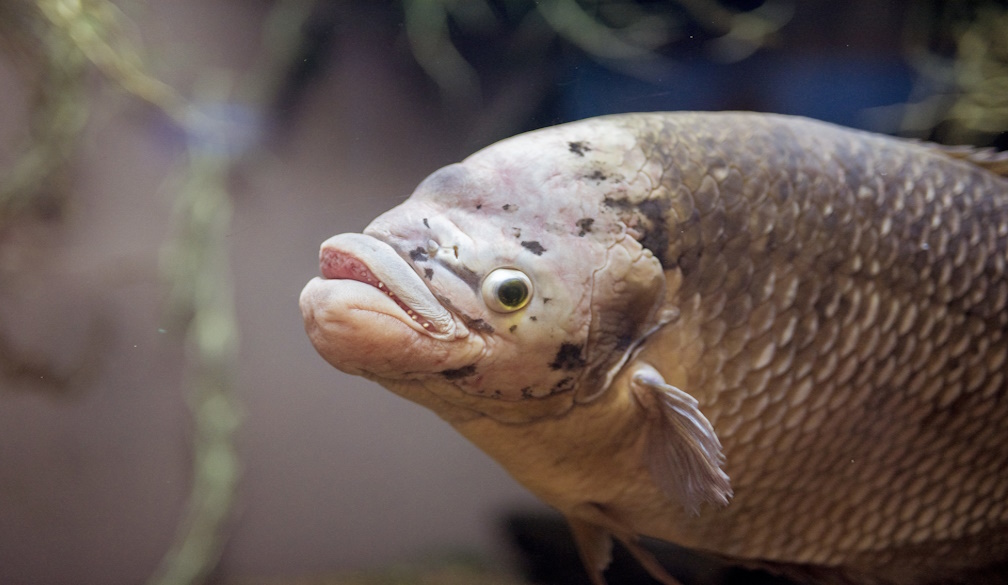
Shadow Minister for Agriculture, Fisheries and Forestry Darren Chester says it’s time to get serious about European carp, which are destroying waterways and impacting biodiversity across Australia.
Speaking in Federal Parliament, Mr Chester has backed the Victorian Fisheries Authority (VFA), which is advocating strongly for the release of the carp herpes virus to control the invasive fish, with a release date by 2028.
“It is time for less talk and more action to control this insidious invasive species. European carp are destroying our waterways. They are killing native species. They are causing enormous social, economic and environmental losses,” Mr Chester told Parliament.
“Carp can amount to 90 per cent of the fish biomass in some of our waters. There's been thousands of pages of scientific research and investigation into how we manage carp and detailed reports on different approaches that are available to us, but the time for talk is over.
“In Gippsland, carp are actually outcompeting native species in our rivers and our Ramsar-listed Gippsland Lakes. They're destroying the water quality and the biodiversity of our wetlands.
“Our wetlands are overrun with carp, and our community wants to see more action. People are simply frustrated by the delays. There is now a paralysis by analysis. The cost of inaction is enormous.”
Mr Chester said the CSIRO had made it clear the virus would effectively kill carp and not impact other species of fish.
“CSIRO research shows very clearly that it kills carp quickly, and the current research has also shown the virus does not develop in native Australian species of fish,” Mr Chester said.
“The 2025 Murray-Darling Basin audit shows that carp are the key ecological pressure limiting native fish recovery. If we can reduce the biomass of the carp to a level where the native species can prey on the juvenile carp, we can turn the balance in this debate and get some great environmental outcomes across our nation.
“The impacts of the lack of action on carp are the key issue of concern raised by recreational fishers in Victoria and, I'd imagine, right across the nation.”
Mr Chester said research on biocontrols had been underway for almost 50 years, and specific work on the carp herpes virus had been ongoing for the last 20 years.
“The important thing to note here is that there is a way forward, there is a plan, and there's been an enormous amount of work already done on this invasive species,” Mr Chester said.
“I agree with the VFA that we need to set clear timelines to complete deliberations around the carp herpes virus as a priority and set a clear timeline for releasing the virus by 2028 at the latest.
“The virus is not a silver bullet, and we will need to maintain other control activities and have a plan to clean up carcasses, but the cost of this ongoing bureaucratic procrastination is enormous.
“We need to see more action. We need to see more boots on the ground doing practical environmental work and fewer suits in our cities making excuses when it comes to these natural resource management issues.”


 Business Daily Media