Accessible Housing Design for High Support Needs
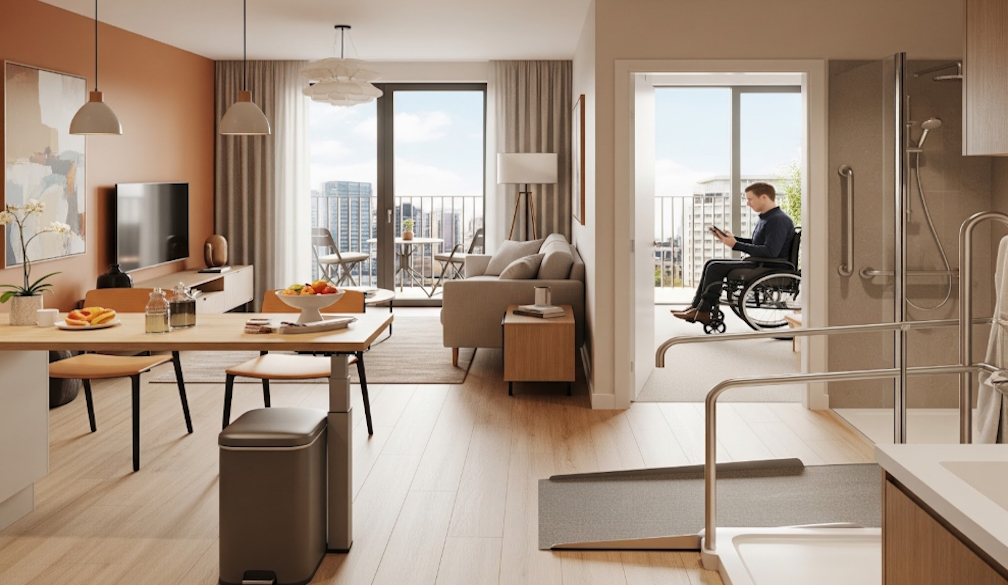
For NDIS participants with extreme functional impairment or very high physical support needs, the home environment is more than a shelter—it is a critical tool for independence and safety. Specialist Disability Accommodation (SDA) in the High Physical Support (HPS) category is designed to bridge the gap between high-level care and autonomous living.
Understanding the specific architectural and technological requirements of ndis sda providers is essential for participants and their families when seeking a home that can truly accommodate complex physical disabilities.
1. Structural Provisions for Mobility and Transfers
The defining feature of a High Physical Support home is its ability to integrate heavy-duty assistive technology without compromising the living space.
- Ceiling Hoist Integration: HPS dwellings must have the structural capacity to support ceiling hoists in all bedrooms. This allows for safe, dignified transfers between beds, wheelchairs, and bathrooms, reducing the physical strain on both the resident and their support workers.
- Enhanced Doorway and Corridor Widths: While "Fully Accessible" homes require 900mm doorways, HPS standards mandate a minimum 950mm clear opening width for all habitable rooms. This ensures that large power wheelchairs can navigate the home without damaging the walls or catching on frames.
- Zero-Threshold Living: There are no steps or lips throughout the property. This includes seamless transitions from internal living areas to outdoor private spaces like balconies or patios, ensuring the resident has full access to their entire home.
2. Advanced Assistive Technology (AT) Readiness
A high-support home is engineered to be "smart" from the ground up. This reduces the reliance on physical intervention for simple daily tasks.
- Automated Entry and Internal Doors: Power and control cabling is pre-installed at the main entry and internal doors. This allows for the retrofitting of automated sensors or voice-controlled opening systems, enabling a resident to move between rooms independently.
- Environmental Controls: HPS homes are designed to be "AT-ready" for the automation of lighting, climate control (split-system air conditioning), and window blinds.
- Communication Systems: Built-in video or intercom technology is a standard requirement, allowing residents to screen visitors or communicate with nearby support staff without needing to move to the front door.
3. Emergency Power and Safety Redundancy
For participants who rely on life-sustaining equipment—such as ventilators, oxygen concentrators, or automated beds—power reliability is a life-and-death matter.
- Uninterrupted Power Supply (UPS): HPS dwellings must include emergency power solutions capable of maintaining essential services for a minimum of two hours during an outage. This typically covers at least two double power points in the participant’s bedroom and any automated door systems.
- Robust Fire Safety: Enhanced smoke alarm systems and clearly defined evacuation plans are mandatory. In many new builds, fire-resistant materials and sprinkler systems are integrated to provide extra time for residents with limited mobility to exit safely.
4. Adaptive Kitchen and Bathroom Design
Independence in personal care is a core goal of accessible design. High-support homes feature "seated-access" layouts that cater specifically to wheelchair users.
- Adjustable Cabinetry: Kitchens often feature height-adjustable benchtops and sinks, allowing them to be lowered for a resident in a seated position or raised for a standing support worker.
- Full Circulation Bathrooms: Bathrooms are designed with significant "turning circles" (usually a 2250mm diameter) to allow a power wheelchair to turn 360 degrees. Roll-in showers, grab rails, and reinforced walls for future modifications ensure the space remains functional as a participant's needs change.
The Role of Professional SDA Providers
Navigating the SDA landscape requires a provider that understands the intersection of the National Construction Code (NCC) and the NDIS SDA Design Standards. A specialized provider doesn't just offer a house; they offer a bespoke environment tailored to the resident’s Specific functional goals.
By choosing a home designed to High Physical Support standards, participants can significantly reduce their long-term reliance on manual person-to-person support, replacing it with environmental autonomy and technological empowerment.
References
- NDIS SDA Design Standard (2021): The mandatory technical specifications for all newly built Specialist Disability Accommodation in Australia.
- Standards Australia: AS 1428.1 (Design for access and mobility) and AS 4299 (Adaptable housing).
- SafeWork Australia: Guidelines for safe patient handling and the use of ceiling hoists in residential care.


 Business Daily Media