Everyday Life With Professional Disability Support Services
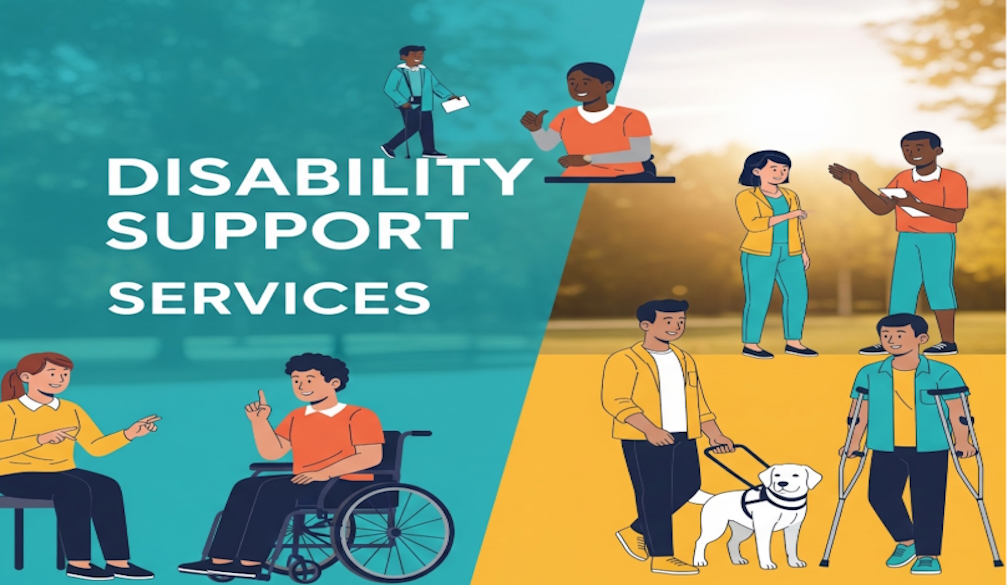
For many individuals living with a disability, the transition from merely managing day-to-day requirements to truly thriving within the community depends on the quality of their support network. The National Disability Insurance Scheme (NDIS) was designed to move away from a "one-size-fits-all" model, placing the participant at the centre of their own journey. However, navigating the complexities of a plan and finding the right balance of care requires a partnership with a dedicated ndis service provider.
Professional disability support is not just about filling gaps in physical ability; it is about building capacity, fostering social connections, and ensuring that every individual has the agency to live a life governed by their own choices and aspirations.
1. Personal Care and Daily Living Support
The foundation of independence often begins within the home. Personal care supports are designed to assist with the essential tasks of daily life that may be challenging due to physical, sensory, or cognitive impairments. This includes assistance with hygiene, dressing, and medication management, as well as more complex clinical needs.
High-quality support services prioritise the dignity and comfort of the participant. By providing consistent, familiar support workers, a provider helps establish a routine that reduces anxiety and builds trust. When these fundamental needs are met reliably, the participant gains the mental and physical energy required to focus on broader life goals, such as education or employment.
2. Community Participation and Social Inclusion
Social isolation is one of the most significant barriers faced by people living with a disability. Professional support services play a crucial role in bridging the gap between the home and the community. This "Social and Community Participation" aspect of an NDIS plan is vital for emotional well-being and the development of interpersonal skills.
Support workers act as facilitators, helping participants attend local events, join interest-based clubs, or simply navigate public transport to meet friends. The goal is "active inclusion"—ensuring the participant is a visible, valued member of their local community rather than a passive observer. This engagement helps dismantle social stigmas and builds a sense of belonging that is essential for a fulfilling life.
3. Capacity Building and Skill Development
The true hallmark of a transformative disability service is a focus on capacity building. Rather than doing everything for a participant, professional supports focus on doing things with them. This approach empowers individuals to learn new skills that increase their autonomy over time.
This might involve:
- Life Skills Training: Learning to plan and cook nutritious meals, manage a personal budget, or use digital technologies.
- Communication Support: Working with specialised tools or strategies to express needs and desires more effectively.
- Employment Readiness: Developing the soft skills and confidence required to enter the workforce or engage in volunteer positions.
4. Specialised Disability Accommodation (SDA) and SIL
For those with high support needs, the physical environment is as important as the human support. Supported Independent Living (SIL) and Specialist Disability Accommodation (SDA) provide the structural framework for independence.
A professional provider ensures that the home environment is equipped with the necessary assistive technologies and modifications—such as ceiling hoists, automated doors, or sensory-friendly lighting—while providing 24/7 on-site support where required. This allows participants to live away from the family home in a safe, supported environment that encourages self-reliance and privacy.
5. Navigating the NDIS Framework
One of the most valuable roles of a service provider is assisting with the administrative and strategic side of the NDIS. Many participants find the process of plan reviews and fund management overwhelming. Support Coordination services help demystify the system, ensuring that funds are allocated to the areas that will yield the greatest impact on the participant's quality of life.
By aligning professional supports with the specific goals outlined in a participant's plan, a provider ensures that every hour of support is a purposeful investment in the individual's future.
Conclusion
Life with professional disability support should be defined by opportunity, not limitation. By focusing on personal dignity, community engagement, and the constant pursuit of new skills, a dedicated provider helps participants turn their NDIS goals into lived realities. Ultimately, the right support network provides the safety net that allows an individual to take risks, explore new interests, and live an everyday life that is as rich and varied as anyone else's.
References
- National Disability Insurance Agency (NDIA): NDIS Practice Standards and Quality Indicators for providers.
- Australian Institute of Health and Welfare (AIHW): People with disability in Australia – reports on social participation and support needs.
- NDIS Quality and Safeguards Commission: Guidelines for the delivery of safe and ethical disability supports.
- Department of Social Services (DSS): National Disability Strategy 2021–2031.


 Business Daily Media