Food Manufacturing Cleaning Supporting Safety, Compliance, and Product Quality
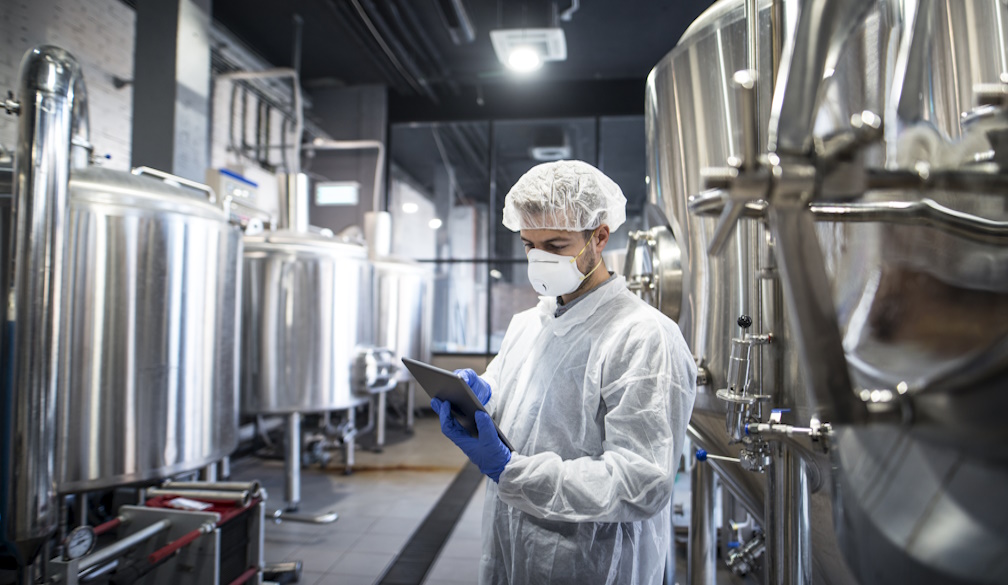
In facilities where food is produced at scale, cleanliness is not simply about appearance. It is a core requirement for safety, compliance, and brand protection. Food manufacturing cleaning focuses on maintaining hygienic production environments where contamination risks are minimised and strict industry standards are consistently met. From preparation areas to processing lines and storage zones, professional cleaning plays a direct role in protecting both consumers and businesses.
Food manufacturing environments operate under intense regulatory scrutiny. Any lapse in hygiene can lead to product recalls, production shutdowns, or reputational damage. This makes specialised cleaning services essential, as they are designed to address the unique risks and challenges associated with food production facilities.
The Importance of Hygiene in Food Production Environments
Food manufacturing involves direct contact between products, equipment, and surfaces. Without rigorous cleaning, bacteria, allergens, and residues can accumulate and spread rapidly. These contaminants may not always be visible, yet they pose serious health risks if they enter the food supply.
Effective cleaning supports food safety by removing organic matter that encourages microbial growth. It also helps prevent cross-contamination between different production runs, particularly in facilities that handle multiple ingredients or allergens. Maintaining a consistently clean environment is fundamental to producing safe, high-quality food.
Understanding Regulatory and Compliance Requirements
Food manufacturers must comply with strict hygiene regulations and industry standards. These requirements are designed to protect consumers and ensure traceability and accountability throughout the production process. Cleaning procedures are often reviewed during audits, making documented and consistent practices essential.
Professional food manufacturing cleaning services understand these regulatory expectations. They follow structured cleaning schedules, use approved chemicals, and apply methods that align with food safety guidelines. This level of compliance support helps manufacturers prepare for inspections and maintain operational confidence.
Challenges Unique to Food Manufacturing Cleaning
Cleaning in food manufacturing settings presents challenges that differ from general commercial cleaning. Production equipment often has complex designs with hard-to-reach areas where residue can build up. Processing lines may need to be cleaned thoroughly without causing damage or prolonged downtime.
Temperature-controlled environments, such as cold storage or chilled processing rooms, add another layer of complexity. Cleaning methods and products must be suitable for these conditions while still delivering effective sanitisation. Professional cleaners are trained to manage these challenges without compromising food safety or equipment performance.
Specialised Equipment and Cleaning Techniques
Food manufacturing cleaning requires specialised tools and techniques to achieve thorough results. High-pressure cleaning, steam cleaning, and foam application methods are commonly used to remove stubborn residues from machinery and surfaces. These techniques ensure deep cleaning without leaving harmful residues behind.
Cleaning agents used in food production environments must be food-safe and approved for use in these settings. Professional cleaners select chemicals carefully to ensure effectiveness while avoiding contamination risks. Proper rinsing and verification processes further ensure that cleaning outcomes meet safety standards.
Protecting Equipment and Extending Asset Life
Regular and effective cleaning does more than improve hygiene. It also helps protect valuable production equipment. Food residues left on machinery can cause corrosion, blockages, or mechanical issues over time. This can lead to increased maintenance costs and unexpected breakdowns.
By keeping equipment clean and free from buildup, manufacturers can extend asset lifespan and maintain consistent performance. Clean machinery operates more efficiently, supporting stable production output and reducing the risk of costly disruptions.
Supporting Productivity and Operational Efficiency
A clean production environment supports smoother workflows. When cleaning is carried out professionally and efficiently, it reduces the likelihood of contamination incidents that can halt production. Well-planned cleaning schedules can be integrated around production cycles to minimise downtime.
Professional food manufacturing cleaning teams understand the importance of balancing hygiene with operational efficiency. Their experience allows them to clean thoroughly while working within the time constraints of active manufacturing facilities.
Reducing Health and Safety Risks
Food manufacturing environments can present health and safety risks if hygiene is not properly managed. Slippery floors, waste buildup, and contaminated surfaces can endanger workers as well as products. Effective cleaning reduces these risks by maintaining safe and sanitary conditions.
Clean environments also support better air quality and reduce odours associated with food processing. This creates a more comfortable and safer workplace for employees, contributing to morale and overall operational stability.
The Role of Trained Cleaning Professionals
Food manufacturing cleaning requires expertise beyond standard cleaning practices. Trained professionals understand how contamination occurs, how to prevent it, and how to clean without introducing new risks. They follow strict protocols and wear appropriate protective equipment to maintain hygiene throughout the cleaning process.
Experience in food manufacturing settings ensures cleaners know how to work around sensitive equipment and production requirements. This expertise is essential for delivering reliable results in environments where mistakes can have serious consequences.
Building Trust With Customers and Stakeholders
Consumers place a high level of trust in food manufacturers. Cleanliness and hygiene are directly linked to that trust, even if customers never see the production floor. Behind the scenes, consistent cleaning practices help ensure that products meet quality expectations every time.
For manufacturers supplying retailers, distributors, or export markets, strong hygiene standards are often a prerequisite for doing business. Demonstrating commitment to professional food manufacturing cleaning supports strong relationships with partners and stakeholders.
Long-Term Value of Professional Food Manufacturing Cleaning
Investing in professional food manufacturing cleaning is an investment in safety, compliance, and business continuity. It reduces the risk of contamination incidents, supports regulatory compliance, and helps maintain efficient operations. Over time, these benefits translate into cost savings, brand protection, and operational confidence.
In an industry where standards are high and margins can be tight, maintaining a clean and compliant production environment is non-negotiable. Professional cleaning services provide the expertise and consistency needed to meet these demands, ensuring food manufacturers can focus on delivering safe, high-quality products with confidence.


 Business Daily Media