How Professionals Decide Between Extension Ladders and Scaffolding
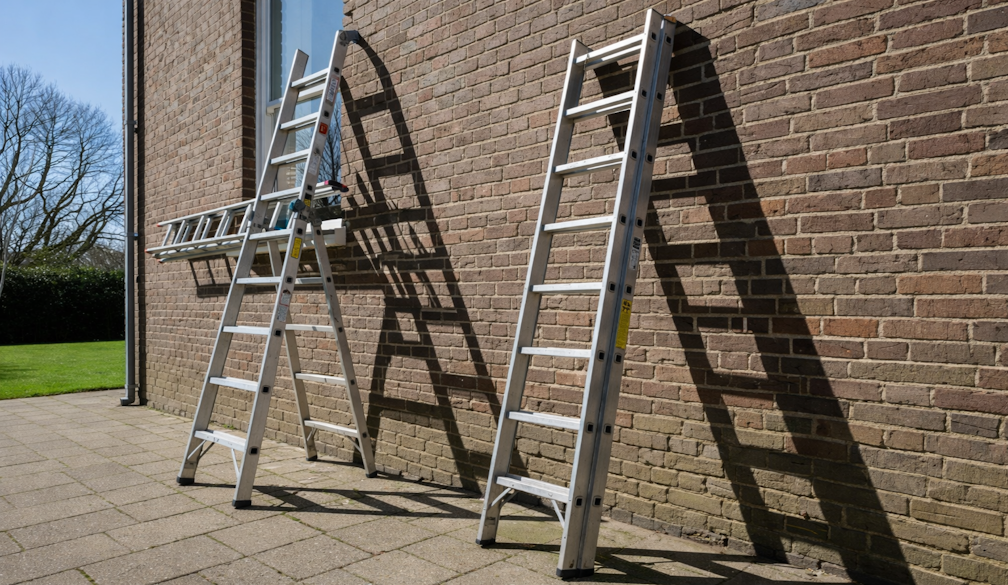
Working at height is part of daily life for many trades and construction professionals. Whether it’s painting, electrical work, roofing, or maintenance, choosing the right access equipment can affect safety, efficiency, and job quality. One of the most common decisions professionals face is whether to use extension ladders or scaffolding. The choice is rarely about convenience alone — it’s based on task requirements, duration, and working conditions.
Understanding how professionals weigh these factors helps explain why different solutions are chosen for different jobs.
Nature of the Task Comes First
The type of work being performed is usually the starting point. Short, straightforward tasks such as inspections, minor repairs, or accessing a single point at height often suit ladder use. In these situations, aluminium ladders are commonly preferred due to their lightweight design, ease of transport, and quick setup.
By contrast, tasks that require two-handed work, repeated movement, or extended time at height tend to favour scaffolding. Scaffolding provides a stable platform that allows workers to move laterally and handle tools or materials more safely.
Duration of the Job Matters
Time plays a major role in decision-making. For work lasting only a few minutes, setting up scaffolding may be impractical. Professionals often choose ladders for short-duration jobs where speed and flexibility are priorities.
For longer projects, however, scaffolding becomes more appealing. Spending hours on a ladder can be physically demanding and restrictive. A scaffold platform reduces fatigue and allows workers to maintain safer body positioning throughout the day.
Safety and Stability Considerations
Safety regulations and risk assessments strongly influence equipment choice. Ladders require the user to maintain balance and limit movement, which can increase risk when tasks become complex. Professionals assess factors such as ground stability, working height, and the need to reach sideways before deciding.
Scaffolding offers greater stability and fall protection, particularly for work at higher levels or on uneven ground. When stability is critical, scaffolding is often the safer option.
Access and Space Constraints
Worksite conditions also shape decisions. Tight access points, narrow walkways, or indoor environments may limit the use of scaffolding. In these cases, ladders provide access where larger structures simply won’t fit.
On open sites with sufficient space, scaffolding can be assembled efficiently and positioned to cover larger work areas, reducing the need for constant repositioning.
Mobility and Transport
Professionals frequently consider how equipment will be moved between jobs. Ladders are easy to transport, store, and deploy, making them ideal for tradespeople who travel frequently. Aluminium ladders, in particular, offer strength without excessive weight, which is important for solo operators.
Scaffolding requires more planning, transport capacity, and setup time. While this investment makes sense for larger projects, it may not suit fast-paced or multi-site work.
Cost and Practicality
Cost is another factor, though it’s rarely the only one. Ladders are generally more affordable and require less setup labour. Scaffolding involves higher upfront costs and additional labour time, but it can improve productivity and reduce risk on larger jobs.
Professionals weigh these trade-offs carefully, balancing cost against efficiency and safety.
Making the Right Choice
The decision between ladders and scaffolding is rarely fixed. Many professionals use both, selecting the right tool for each job. By considering task type, duration, safety, access, and mobility, they choose solutions that support both performance and protection.
Understanding this decision-making process highlights why aluminium ladders remain a staple for quick, flexible access — while scaffolding continues to be essential for larger, more demanding work at height.


 Business Daily Media