What Height Do You Need? A Guide to Choosing Boom Lifts Hire
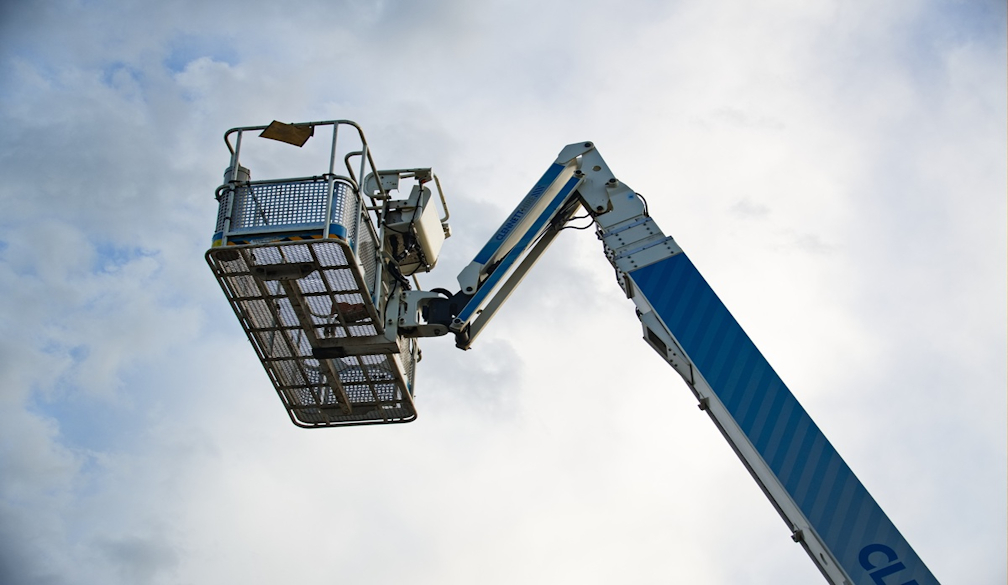
Working at height can be a tricky proposition, and selecting the correct equipment is paramount for safety and efficiency. When it comes to elevating workers and materials, nothing quite matches the versatility of a boom lift. But with various models available, how do you determine the ideal height for your specific job? This guide will walk you through the key considerations to ensure you make the right choice when considering boom lifts hire.
Imagine you're a sparky needing to reach overhead power lines, or perhaps a painter tasked with freshening up a multi-story building. In both scenarios, having the right reach is crucial. Too little, and you're stretching dangerously; too much, and you're paying for unnecessary capacity. Let's delve into the factors influencing your decision so you secure the perfect lift for your needs.
Understanding Boom Lift Types and Their Reach
Before diving into specific heights, it's essential to understand the different types of boom lifts and their typical reach capabilities. Each type is designed for particular applications, so knowing the differences will help narrow your options.
Telescopic Boom Lifts
Telescopic boom lifts, often called stick booms, are known for their exceptional horizontal and vertical reach. They feature a single, extendable arm that allows for precise positioning, making them ideal for jobs requiring access over obstacles. These lifts are commonly used in construction, maintenance, and industrial settings where reaching significant heights is essential.
Think of a tradie needing to access a hard-to-reach section of a bridge - a telescopic boom lift would be the perfect tool. Their reach typically ranges from 12 to over 40 metres, offering considerable flexibility for various tasks.
Articulating Boom Lifts
Articulating boom lifts, also known as knuckle booms, offer greater versatility than telescopic models. They feature multiple hinged sections in their arm, allowing them to navigate around obstacles and access tight spaces. This makes them perfect for jobs where precision and manoeuvrability are paramount.
Imagine navigating a crowded construction site with scaffolding and other equipment. An articulating boom lift can snake its way through the obstacles to reach the desired work area. These lifts generally have a reach of 10 to 30 metres, making them suitable for a wide range of indoor and outdoor applications.
Trailer-Mounted Boom Lifts
Trailer-mounted boom lifts provide a portable and cost-effective solution for jobs requiring occasional access at height. They are easily towed behind a vehicle, making them ideal for smaller projects or locations where self-propelled lifts are impractical. These lifts are often used for tree trimming, sign maintenance, and other light-duty tasks.
Picture a local council worker maintaining streetlights. A trailer-mounted boom lift offers the perfect combination of portability and reach for these types of jobs. Their reach typically ranges from 10 to 20 metres, providing ample height for most common tasks.
Factors to Consider When Determining Height Requirements
Choosing the right height for your boom lift isn't just about picking the tallest one available. Several factors come into play to ensure you select the safest and most efficient option.
Assess the Maximum Working Height
The first and most obvious step is to determine the maximum height you need to reach. This isn't just the height of the structure you're working on, but also the additional height required to comfortably perform the task. Consider the operator's height and any tools or materials they'll be using. Accurate assessment will help with your boom hire decisions.
For example, if you're installing signage on a building, measure the distance from the ground to the top of the sign. Then, add a metre or two to account for the worker's height and reach. This will give you a realistic estimate of the required working height.
Account for Obstacles and Overreach
Consider any obstacles that may impede direct access to the work area. Trees, power lines, or other structures may require you to choose a lift with greater horizontal reach or an articulating arm to navigate around them. Overreach is the horizontal distance a boom lift can extend, and it's crucial for accessing areas that are difficult to reach directly.
Imagine painting the side of a building with overhanging eaves. A telescopic boom lift with sufficient overreach can extend horizontally to access the wall without the need to position the lift directly beneath the eaves.
Consider Indoor vs. Outdoor Use
The environment in which you'll be using the boom lift can significantly impact your height requirements. Indoor applications often have lower ceiling heights and tighter spaces, requiring smaller, more compact lifts. Outdoor applications, on the other hand, may involve uneven terrain and greater height requirements.
For example, maintaining the lighting in a warehouse will likely require a smaller articulating boom lift with a lower maximum height than painting the exterior of a multi-story building. Always factor in the specific conditions of the work environment.
Factor in Safety Considerations
Safety should always be the top priority when working at height. Ensure that the boom lift you choose has sufficient capacity to handle the weight of the operator, tools, and materials. Also, consider the stability of the ground surface and choose a lift with appropriate tyres or outriggers to prevent tipping.
Before operating any boom lift, conduct a thorough risk assessment to identify potential hazards and implement appropriate safety measures. This includes wearing appropriate personal protective equipment (PPE), such as harnesses and hard hats, and ensuring that all operators are properly trained and certified.
Matching the Right Boom Lift to the Task
Once you've assessed your height requirements and considered the relevant factors, you can start matching the right boom lift to the task. Here are some common scenarios and the types of lifts that are best suited for each.
Construction and Building Maintenance
Construction and building maintenance often require reaching significant heights and navigating around obstacles. Telescopic boom lifts are ideal for tasks such as steel erection, cladding installation, and window cleaning on high-rise buildings. Articulating boom lifts are better suited for tasks requiring access to tight spaces or navigating around obstructions, such as painting or electrical work.
For example, installing solar panels on a rooftop may require a telescopic boom lift with a long reach to access the entire roof surface. On the other hand, repairing a building facade with intricate architectural details may be better suited to an articulating boom lift that can manoeuvre around the details.
Electrical and Telecommunications Work
Electrical and telecommunications work often involves working near power lines and other sensitive equipment. Insulated boom lifts are specifically designed for these types of applications, providing protection against electrical shock. These lifts typically have a reach of 10 to 20 metres, making them suitable for most utility work.
Imagine a linesman repairing overhead power lines. An insulated boom lift provides a safe and stable platform for working at height while minimising the risk of electrical hazards. Always ensure that the lift is properly insulated and that all safety protocols are followed.
Tree Trimming and Arboriculture
Tree trimming and arboriculture require reaching into tree canopies and navigating around branches. Articulating boom lifts are ideal for these tasks, as their flexible arms can reach into tight spaces and around obstacles. Trailer-mounted boom lifts provide a portable and cost-effective solution for smaller tree trimming jobs.
For example, pruning branches in a residential garden may be easily accomplished with a trailer-mounted boom lift. On the other hand, trimming tall trees in a park may require a larger articulating boom lift with greater reach and manoeuvrability.
Warehouse and Indoor Maintenance
Warehouse and indoor maintenance often require accessing high shelves, lighting fixtures, and other overhead equipment. Scissor lifts are commonly used for these types of applications, providing a stable platform for working at height. However, for tasks requiring greater reach or manoeuvrability, articulating boom lifts may be a better choice.
Picture maintaining the sprinkler system in a large warehouse. An articulating boom lift can easily navigate around the shelving and other obstacles to reach the sprinkler heads. Always ensure that the lift is appropriately sized for the space and that all safety protocols are followed.
Making the Right Choice with Boom Lifts Rental
Selecting the right boom lift involves careful consideration of your specific needs and the factors discussed above. Don't hesitate to consult with experts who can assess your requirements and recommend the most suitable lift for your job. By doing your homework, you'll ensure a safe and efficient work environment. When considering boom lifts rental, it's wise to compare models.
Remember, choosing the right height isn't just about reaching the work area; it's about ensuring the safety and productivity of your team. Invest the time to assess your needs accurately, and you'll reap the rewards of a job well done. Considering all available options for boom hire will ensure you are safe and productive.


 Business Daily Media