Car Dent Repair: Everything You Need to Know
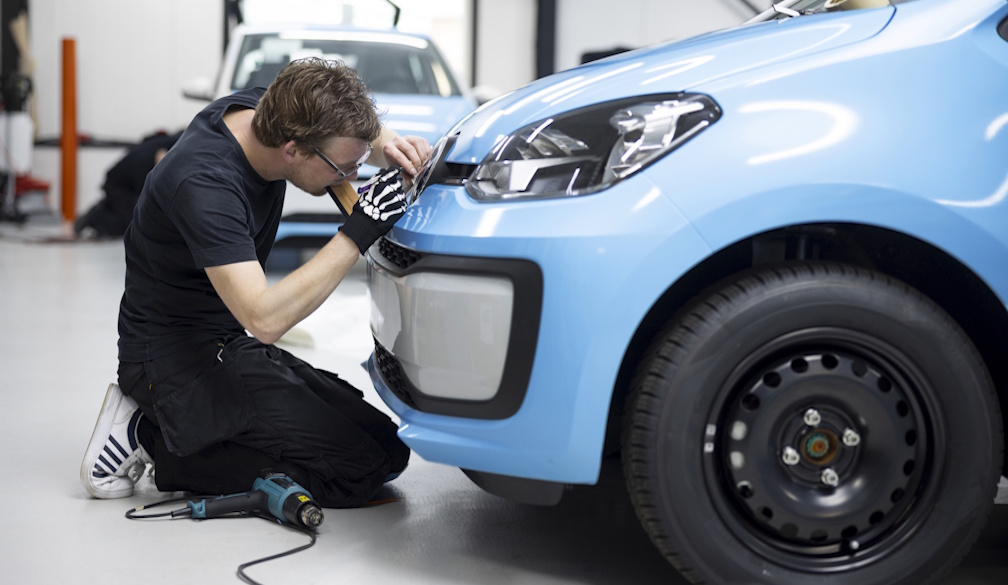
Car dent repair is one of the most common services vehicle owners search for, especially after minor accidents, parking lot bumps, or unexpected hail damage. Understanding how dent repair works, what methods are available, and how pricing is determined can help you restore your vehicle’s appearance without unnecessary stress or overspending.
What Causes Dents and Why They Should Be Fixed Quickly
Dents can happen for many reasons, including door dings, shopping carts, and low-speed collisions. Even small dents can affect your car’s look and resale value. Leaving them untreated may allow rust to develop over time, especially when the paint is cracked or chipped. Repairing dents early keeps the body protected and maintains the structural integrity of the panel.
Paintless Dent Repair Explained
Paintless dent repair, often called PDR, is the preferred method for fixing many small to medium-sized dents. Instead of sanding, repainting, or filling the damaged area, a technician carefully massages the metal from behind the panel. This process keeps the original paint intact and preserves the factory finish. It is faster, more affordable, and environmentally friendly compared to traditional methods.
When Traditional Dent Repair Is Necessary
Not all dents are suitable for PDR. Deep dents, sharp creases, and damage that breaks the paint surface often require more advanced work. Traditional dent repair may involve sanding, filler application, priming, and repainting the panel. Although it takes longer, it restores the panel’s shape and color accurately. This method is commonly used when the dent is severe or the paint has been scratched beyond repair.
How Car Dent Repair Costs Are Calculated
Pricing depends on the size and location of the dent, the type of repair required, and the labor intensity of accessing the damaged area. PDR usually costs less because it does not require repainting or extensive materials. Larger or deeper dents that need traditional bodywork may increase the overall cost. Additional factors such as vehicle model, panel material, and paint type can also influence final pricing.
What to Expect During the Repair Process
Most dent repair shops begin by inspecting the damage and explaining which repair method is best for the vehicle. Paintless repairs can often be completed within the same day, while traditional repairs may take longer due to paint curing times. Once the repair is finished, the panel is reviewed to ensure the surface is smooth and the paint matches the surrounding areas perfectly.
How to Prevent Future Dents
Although not every dent can be avoided, careful parking and staying aware of your surroundings help reduce the risk. Parking farther from crowded areas, using garages when possible, and leaving extra space between vehicles in tight lots can make a noticeable difference. Being mindful of where you stop during storms also helps protect your car from hail.
Conclusion
Car dent repair is an essential service for keeping your vehicle looking clean, polished, and well-maintained. Whether you need paintless dent repair for a minor ding or traditional bodywork for more serious damage, understanding your options helps you make the right choice. With proper care and the right technician, your car can look as good as new again.


 Business Daily Media