Whiteboard: A Practical Tool for Communication, Organisation, and Innovation
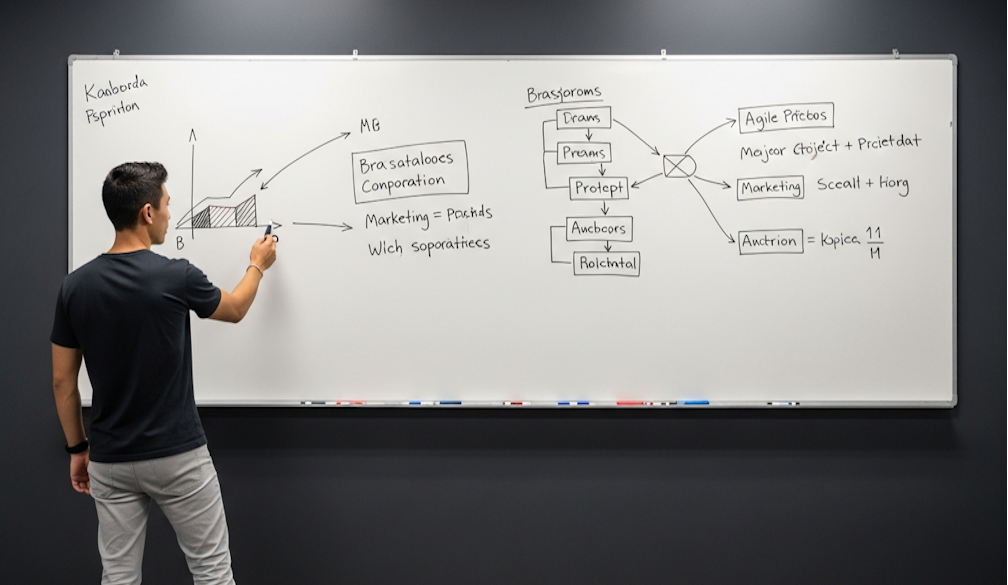
In both professional and educational environments, the whiteboard continues to be one of the most versatile and effective communication tools available. Despite the rise of digital collaboration platforms, whiteboards remain central to how teams brainstorm, teachers instruct, and individuals plan. They combine simplicity with practicality, allowing users to capture thoughts instantly, visualise information, and collaborate without barriers. From offices and classrooms to creative studios and home offices, the whiteboard is as relevant today as it was decades ago — only now, it comes with modern design and innovative materials to meet contemporary needs.
The Enduring Appeal of Whiteboards
The enduring popularity of whiteboards lies in their ability to encourage interaction and participation. While digital tools often limit engagement to one person at a time, a whiteboard provides a shared surface where everyone can contribute ideas simultaneously. It’s spontaneous, tactile, and immediate — qualities that promote creative thinking and problem-solving.
In Melbourne workplaces and schools, whiteboards have evolved beyond their traditional use for lectures or meeting notes. They now serve as visual management systems for project tracking, creative brainstorming, and even goal setting. Whether used to sketch a new marketing plan or teach a mathematical formula, they offer the flexibility and clarity that digital screens sometimes lack.
Whiteboards in Modern Workplaces
The shift toward open-plan offices and collaborative workspaces has reinforced the whiteboard’s importance. Modern businesses rely on visual communication to align teams, plan projects, and present ideas clearly. Whiteboards support these functions by making information visible to everyone, ensuring transparency and shared understanding.
In team meetings, they are invaluable for brainstorming sessions, where employees can sketch diagrams, jot down concepts, and build on each other’s ideas. Agile work environments, in particular, use whiteboards to track progress through Kanban boards or project sprints. This visual approach helps teams stay organised and motivated by seeing their progress in real time.
Moreover, whiteboards serve as reusable canvases for creativity. Ideas that evolve can be easily erased and rewritten, reflecting the flexible and adaptive nature of modern work processes.
The Role of Whiteboards in Education
In classrooms, the whiteboard has become an essential teaching aid that enhances interaction and engagement. Teachers use it to explain lessons visually, draw diagrams, and work through problems step by step. Its clear, erasable surface makes it easy to adapt lessons on the fly, ensuring students stay engaged and focused.
Students benefit equally from the tactile learning experience. Writing or drawing on a whiteboard helps reinforce understanding through active participation. Group activities, such as brainstorming or solving equations, encourage collaboration and peer learning.
The introduction of interactive whiteboards has further elevated classroom learning. These digital versions combine the benefits of traditional whiteboards with touchscreen functionality, allowing teachers to display videos, annotate content, and connect lessons directly to online resources. In Australian schools, interactive whiteboards have become integral to modern, technology-driven education.
Varieties of Whiteboards Available Today
The versatility of whiteboards extends to their range of materials and designs, each suited to different uses.
Porcelain Whiteboards: These premium boards are durable, stain-resistant, and ideal for long-term, high-frequency use in schools and offices. Their non-porous surface ensures smooth writing and effortless erasing.
Melamine Whiteboards: More affordable and lightweight, melamine whiteboards are suitable for light or moderate use, such as in small offices, home studies, or classrooms.
Glass Whiteboards: With their sleek, modern design, glass whiteboards have become increasingly popular in professional environments. They resist ghosting, are easy to clean, and add a contemporary touch to offices.
Magnetic Whiteboards: Combining functionality with flexibility, magnetic whiteboards allow users to attach notes, charts, or documents while writing. This makes them perfect for meetings, presentations, or classrooms that require visual aids.
Mobile Whiteboards: Fitted with sturdy frames and wheels, mobile boards are ideal for collaborative spaces where flexibility and portability are essential.
Choosing the right type depends on how often the board will be used, the setting, and the level of visual impact desired.
Why Every Business Needs a Whiteboard
Even in an age dominated by digital projectors and online collaboration tools, whiteboards remain indispensable for one key reason: accessibility. They don’t rely on software, electricity, or internet connectivity — anyone can use them at any time.
For Melbourne businesses, whiteboards have become part of the corporate culture. They serve as visual anchors during meetings, helping teams outline strategies, set targets, or track workflows. In creative agencies, they double as idea walls where concepts are sketched, refined, and transformed into actionable plans.
Beyond brainstorming, whiteboards also enhance communication transparency. They keep project details visible, encourage accountability, and reduce misunderstandings. For businesses managing multiple teams or departments, they create a central point of coordination where everyone stays on the same page.
The Environmental and Cost Advantages
Whiteboards are not only practical but also environmentally friendly. Their reusable nature eliminates the need for disposable paper flip charts or printed materials, significantly reducing waste. Modern materials, particularly glass and porcelain, are designed to last for years without degrading, offering excellent long-term value.
In addition, they’re cost-effective tools. Once installed, a whiteboard requires minimal maintenance — just occasional cleaning and replacement of markers or erasers. Compared to digital displays, which involve higher setup and operational costs, whiteboards offer a sustainable and budget-friendly alternative.
Proper Care and Maintenance
Keeping a whiteboard clean is essential to maintain its appearance and performance. Ghosting — the faint residue of old marker ink — is one of the most common issues, but it’s easily prevented with regular care.
Use only dry-erase markers and appropriate cleaning solutions. Avoid permanent markers or abrasive cleaning materials that can damage the surface. For porcelain and glass boards, a soft cloth or microfibre wipe is often sufficient. Establishing a simple cleaning routine ensures that the surface remains smooth and legible for years of use.
Conclusion
Timeless, versatile, and indispensable, the whiteboard continues to bridge the gap between creativity and communication. It remains an essential fixture in classrooms, boardrooms, and collaborative spaces across Melbourne, supporting teamwork, problem-solving, and idea development.


 Business Daily Media