The Role of Packaging Consultants in Medical Device Product Lifecycle
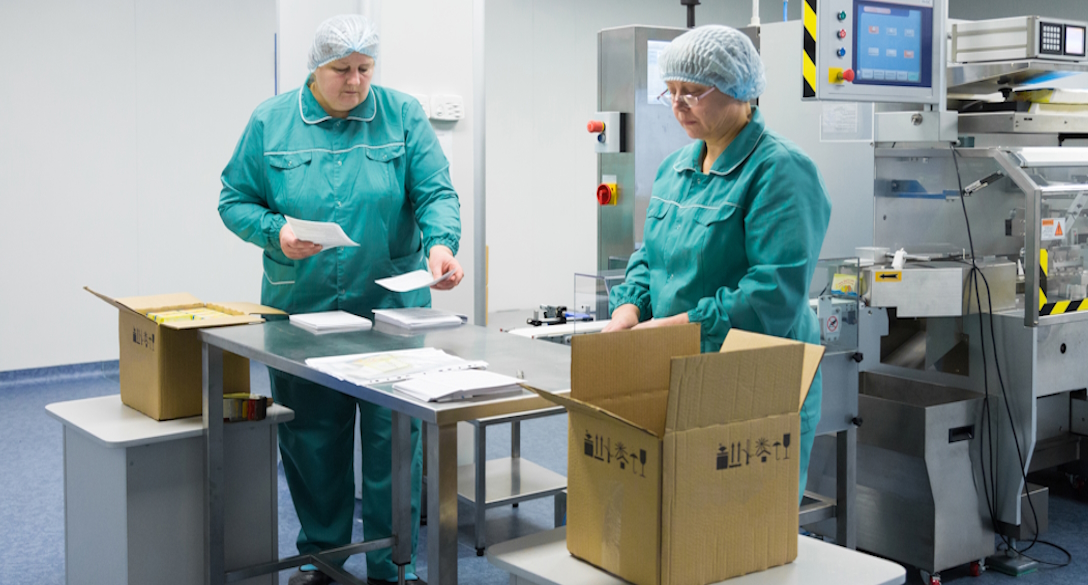
In the complex and highly regulated world of medical devices, packaging plays a critical role in ensuring product safety, usability, compliance, and market success. From initial concept to product launch and beyond, packaging must be meticulously planned and executed to meet stringent industry standards. This is where the expertise of medical device packaging consultants becomes essential.
Understanding the Medical Device Product Lifecycle
The medical device product lifecycle encompasses several phases—from design and development to market introduction, use, and eventual end-of-life. At each stage, packaging serves a distinct and necessary function:
- Design & Development: Packaging requirements are identified to ensure protection, sterility, and usability.
- Validation & Testing: Packaging systems are tested for integrity, shelf-life, and regulatory compliance.
- Manufacturing & Distribution: Efficient packaging supports production workflows and protects devices in transit.
- End-User Interaction: Packaging influences the ease of use, perception, and patient safety.
- Post-Market Surveillance: Real-world data helps assess packaging performance and identify improvement areas.
Involving packaging experts early in this lifecycle can mitigate risks, reduce costs, and streamline approvals.
The Critical Role of Packaging Consultants
Packaging consultants bring specialized knowledge that bridges design, engineering, compliance, and manufacturing. Their role is to align packaging solutions with the functional, regulatory, and commercial goals of the medical device.
1. Regulatory Navigation
Medical device packaging must meet global regulatory standards such as ISO 11607, FDA CFR Title 21, and EU MDR requirements. Consultants ensure all packaging components and processes comply with applicable laws, reducing the likelihood of costly delays or recalls. They also help compile essential documentation for submission and audits.
2. Design for Performance and Protection
Consultants evaluate materials and packaging designs to ensure devices are protected against contamination, physical damage, and environmental factors. They also help ensure packaging supports sterilization methods such as EO, gamma, or steam without compromising integrity.
A well-designed package not only ensures the product arrives intact but also provides clear instructions for use and supports correct device handling by healthcare professionals.
3. Usability and Human Factors
Medical device packaging must be intuitive, especially in high-pressure clinical settings. Consultants conduct usability studies to optimize opening mechanisms, labeling, and component arrangement. This reduces the risk of user error and enhances the overall product experience.
4. Sustainability and Cost Efficiency
Today’s healthcare industry demands sustainable practices. Packaging consultants analyze ways to reduce material waste, improve recyclability, and optimize space during shipping—all while maintaining performance and compliance. This contributes to cost savings and improved environmental outcomes.
Early Engagement Maximizes Impact
One of the most common mistakes medical device companies make is involving packaging experts too late in the process. By the time packaging is considered, key design elements may be locked in, making it harder to address issues like sterilization compatibility or shipping tolerances.
Early involvement allows consultants to:
- Participate in risk assessments and design reviews
- Influence packaging geometry to support automation
- Recommend materials compatible with sterilization and labeling needs
- Reduce time-to-market by identifying potential regulatory pitfalls
Validation and Testing Support
Validation is one of the most critical steps in launching a medical device. Packaging consultants oversee or conduct package performance tests, such as:
- Seal integrity testing
- Accelerated aging and shelf-life studies
- Drop and vibration testing
- Climatic conditioning simulations
These tests are essential to demonstrate that the packaging system maintains sterility and functionality throughout the product’s lifecycle.
Collaboration Across Functions
Packaging consultants act as liaisons between departments, facilitating collaboration among R&D, quality, regulatory, marketing, and logistics teams. Their cross-functional expertise ensures that packaging meets the needs of each stakeholder while maintaining overall coherence in design and compliance.
Continuous Improvement Post-Market
Even after a product has launched, packaging consultants provide value by reviewing field performance data, analyzing complaints, and recommending updates to materials or formats. This ensures the packaging evolves alongside the device, regulatory changes, and market expectations.
Conclusion
Packaging is far more than an afterthought in the medical device industry—it is an integral part of the product’s success. From compliance to protection, from usability to sustainability, the contributions of medical device packaging consultants are vital at every stage of the product lifecycle. Companies that invest in packaging expertise early and consistently are better positioned to reduce risk, ensure compliance, improve user satisfaction, and accelerate market access.
By understanding the full scope of packaging's role and integrating it into the development process from the start, medical device manufacturers can achieve safer, more effective, and more competitive products in an increasingly complex marketplace.


 Business Daily Media