Follow these simple steps to reduce office waste
- Written by: NewsServices.com
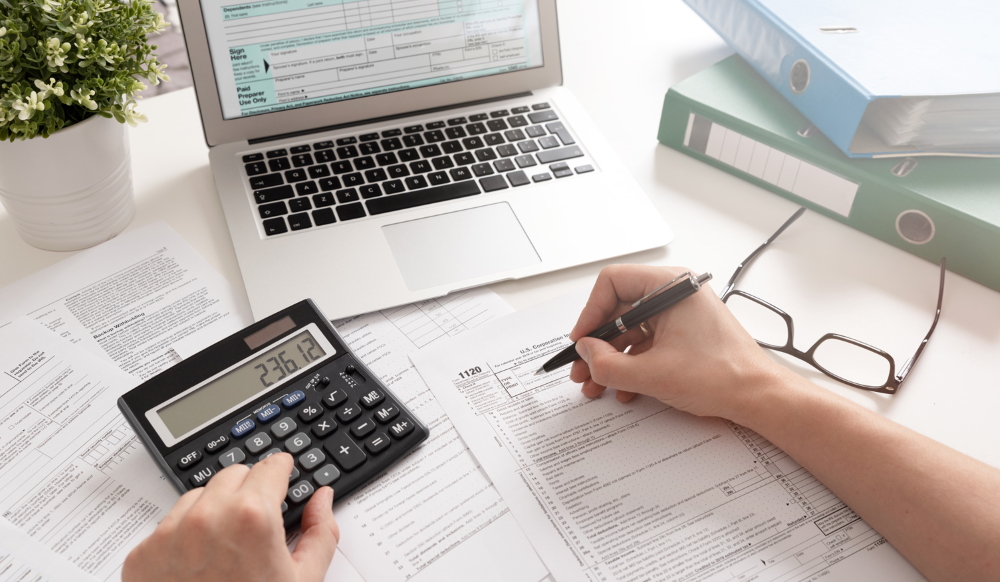
Accumulating waste in an office is inevitable. There are multiple sources of waste in an office, from paperwork to packaging waste; however, they are essential for an office to keep running and be profitable. Offices around the globe are encouraging employees to reduce office waste and become more sustainable. Emphasis is laid on reducing paper and plastic waste, specifically single-use plastic water bottles and takeout plastic food containers. You can easily eliminate such plastic waste by bringing lunch from home in metal tins that are reusable and recyclable. Furthermore, investing in aluminum bottles is an excellent step to cut a drastic amount of plastic water bottle waste. Energy and water conservation are also encouraged.
Workers are participating in the green office movement with great excitement and are more willing than ever before. Still, sometimes people miss out on the small actions and their impact around us. This blog will discuss some steps that can be taken in your office to ensure a sustainable and greener office environment.
-
Paper Waste: Even in this modern age of digitization, a study stated that, on average, a worker in an American office uses roughly an astonishing 10,000 sheets of paper annually. Furthermore, the study revealed that about 70% of the pages are considered office waste. It is either a print mistake, one-time use handouts, notepaper, billing reports, or presentations.
Although paper can be recycled up to 5 to 7 times before it loses its quality, it is more sustainable to reduce paper waste in the office. Instead of taking notes on new paper sheets, try to take notes on portable laptops and tablets. Most of the handwritten notes are converted into digital files anyway. Also, use both sides of the paper while writing, copying or printing any of your work. You can even set your printer default settings to print on both sides of the page. You should use paper from misprints and empty sides of printed papers to write down notes instead of wasting them. Switch to online banking and e-mails and e-memos instead of faxes and printed memos. Reusing file folders and binders will also help reduce a significant amount of paper waste in the office. In any case, after using a paper, make sure to put it in its designated recycling bins. All these steps together will make the office environment more sustainable and help save some capital.
-
Plastic Waste: Plastic waste is a global issue. The central trouble creators are one-time-use plastic bottles, bags and packaging. It is estimated that, on average, an American citizen uses 156 plastic bottles per year. What is more problematic is that most plastic bottles have about a 30% recycling rate, which means most of them ends up in landfills worldwide as they are not worthy of recycling. These plastics can take up to decades to decompose and thus are significant drivers in the landfill and environmental pollutants list.
To minimize the usage of plastic bottles, you should avoid using one-time plastic items. You can consider personal reusable water bottles and coffee mugs, e.g. aluminum bottles. These water bottles are not only durable, long-lasting but also reusable and recyclable. Aluminum is a naturally occurring metal and can be recycled repeatedly without losing its integrity. This might seem like a minor change, but it brings about massive positive environmental effects.
-
Food Waste: According to a study, Americans waste about a pound of food per day in all settings. It was noted in the survey that most people overbuy food than their actual needs. A major food waste source is the takeout food most frequently used for lunches in the office. The food quantity of such lunches are predetermined and can be a significant source of food waste. To tackle this problem, pre-plan your meals and think proactively when you are buying takeout meals.
Furthermore, it is encouraged to bring your lunch from your home. You can use metal tins or glass containers as your lunch box. This is a healthier, fresher, and better option when you choose to bring food from home. Additionally, you will be saving some money too and at the same time reducing your plastic waste.
-
E-Waste: E-Waste is one of the fastest-growing domestic waste streams in the U.S. The technology boom and competitive pricing have exploded the electronic market. Americans produced about 2.7 million tons of consumer electronic goods in 2018. E-waste consists of cell phones, printers, monitors, computers, batteries and more. Recycling E-waste has turned into billions of dollars industry itself. Copper, aluminum, lithium, and semi-conductors can be reclaimed by recycling E-waste properly.
However, your priority should be to fix such machines before thinking of recycling them. Mostly, with simple parts replacements, you can get these machines back and running. Also, buy smart and responsibly. Buy from brands that opt for sustainable growth and produce durable equipment.
-
General Waste: The EPA reported that, on average, a single person produces 4.4 pounds of solid waste each day, mainly consisting of coffee cups, styrofoam plates, and thin plastic wrapping. To reduce and potentially eliminate such solid waste, start using reusable items instead of one-time use items. Offices should provide kitchen utensils, cutlery, and ovens to encourage a greener working environment. Furthermore, offices should install water coolers that can serve as a substitute for plastic water bottles. Using metal coffee mugs instead of cardboard mugs will also reduce waste produced daily.
It is estimated that almost 70% of office waste is recyclable, so offices should also provide separate bins for particular types of trash. Offices are second homes for employees, and many of them spend a significant amount of time in the offices. Once the above-mentioned small steps are adapted into the worker's daily lives, they will undoubtedly have a considerable impact on reducing waste in offices.