

Australia's Growth Agenda Has a Missing Piece: Accommodation for the Workforce Delivering It
- Written by: Damian Gallace, MD, Extended Stay Australasia
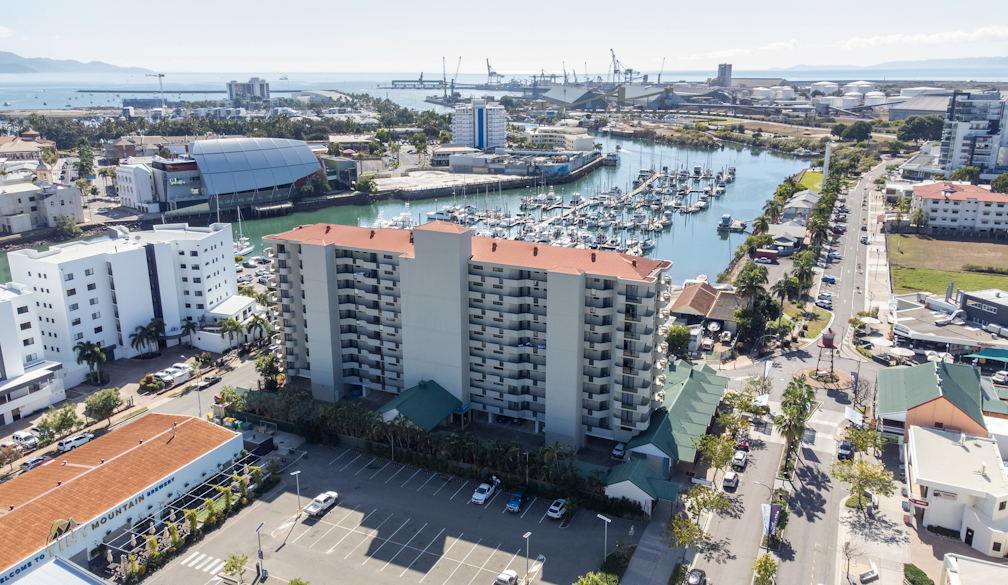
Australia has committed billions of dollars to new housing, renewable energy, defence, healthcare and infrastructure projects. These investments are designed to strengthen the economy, create jobs and support regional communities for decades to come. Yet one practical issue receives very little attention, despite having a direct impact on whether many of these projects can succeed.
Where will the workforce live?
This isn't about long-term housing policy or tourism. It's about making sure the engineers, healthcare professionals, project managers, educators, government employees or specialist contractors needed to deliver these projects have somewhere suitable to stay while they're working away from home for extended periods.
At Extended STAY Australasia, we accommodate around 32,000 travelling employees each year. That gives us a front-row seat to how Australia's workforce is changing. More professionals are travelling between regions as industries compete for skilled people, particularly in healthcare, infrastructure, defence, energy and government. In many cases, these workers are spending weeks or months away from home rather than a few nights.
Regional Australia provides a good example of this shift. Communities such as Mackay, Townsville and Whyalla continue attracting investment across multiple sectors, but many of those projects rely on people coming from outside the region to fill specialist roles. Across our regional portfolio, around 25-30% of residents stay longer than seven nights, reflecting the growing number of people living and working away from home for extended periods.
The workforce itself isn't the problem. Australia has talented people willing to travel where opportunities exist. The challenge is making that movement possible without creating new pressures for the communities they're there to support.
Demand for workers isn't constant. A major hospital expansion, an energy project or a large infrastructure build can require hundreds of additional people for several months before numbers return to normal. Regional communities need the flexibility to accommodate these workforce peaks without placing extra strain on local housing.
When purpose-built accommodation isn't available, employers and workers often turn to the private rental market. We've seen what happens when that becomes the default. Rental supply tightens, housing affordability comes under greater pressure and local residents find themselves competing with temporary workforces for homes that were never intended to support major projects.
Purpose-built extended-stay accommodation offers a more sustainable solution because it has been designed around the way these professionals actually live. Someone working in a regional community for three months isn't looking for a hotel room. They need a kitchen to cook their own meals, space to work, somewhere to do their laundry and an environment that allows them to settle into a routine. Those things might sound simple, but they make a real difference to wellbeing, productivity and the overall experience of working away from home.
The benefit extends beyond the workers themselves. Communities are better able to support new investment without reducing local rental availability, while employers gain access to accommodation that reflects the realities of project-based work. As projects finish, those same properties continue serving healthcare workers, government employees, consultants, educators and other professionals whose work regularly takes them between regional centres.
For business, this has become more than an operational issue. It affects recruitment, project delivery and investment decisions. Companies can secure funding, win contracts and hire talented people, but if employees can't find appropriate accommodation, timelines slip and opportunities become harder to deliver.
As Australia continues investing in regional growth, accommodation deserves to be part of the conversation much earlier. We plan transport infrastructure before major projects begin because we know people and goods need to move efficiently. Workforce accommodation should be viewed through the same lens. It supports labour mobility, helps protect local housing supply and gives businesses greater confidence that projects can be delivered as planned.
Australia's next phase of growth will depend on more than investment alone. It will depend on our ability to get skilled people to the places they are needed and give them somewhere appropriate to live while they do the work.






