A Buyer's Guide to 40ft Standard Shipping Containers in the United States
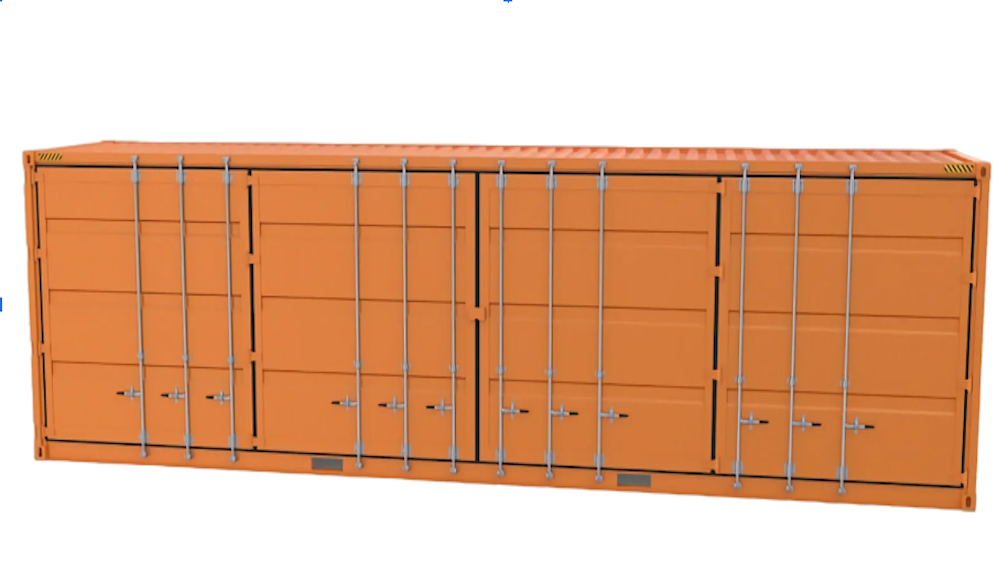
In an era where flexibility and efficiency in logistics are paramount, the 40' shipping container with side doors stands as a beacon of reliability. Whether for shipping goods across continents or repurposing into a trendy pop-up shop, these containers offer unparalleled utility. This guide will navigate you through the essentials of purchasing a 40ft standard shipping container, ensuring you make a well-informed decision.
Understanding the 40ft Standard Shipping Container
A 40-foot standard shipping container is a steel box designed for transporting goods over long distances. Its standardized dimensions, as set by the International Organization for Standardization (ISO), are about 40 feet in length, 8 feet in width, and 8.6 feet in height. This equates to a generous internal volume, making it a popular choice for a wide range of applications.
Key Features of 40ft Standard Shipping Containers
- Dimensions: Approximately 40'x8'x9.6' (LxWxH);
- Material: Predominantly made of high-grade Corten steel;
- Capacity: Capable of handling a significant load, up to approximately 71,650 lbs;
- Durability: Designed to withstand harsh marine environments.
Why Choose a 40ft Standard Shipping Container?
- Versatility: From transporting bulk goods to conversion into commercial or residential spaces, the uses are nearly limitless.
- Durability: Made to endure extreme conditions, ensuring the safety of the contents.
- Cost-Effectiveness: When compared to other methods of transport or construction, these containers offer great value.
Considerations Before Purchasing
Before diving into the purchase of a 40ft shipping container, consider the following:
- New vs. Used: Decide whether a brand-new container or a cost-effective used one suits your needs.
- Condition: Thoroughly inspect for structural integrity, especially if opting for a used container.
- Delivery: Understand the logistics involved in delivering the container to your desired location.
- Permits: Research local regulations and permits required for container usage on your property.
Where to Buy
Purchasing a 40ft standard shipping container in the United States can be as easy as visiting an online marketplace like PelicanContainers. Here, you can find a wide selection of containers, both new and used, suited to various budgets and needs.
Checklist for Buyers
- Determine Your Budget: Set a clear budget considering the container's price, delivery, and any modifications needed.
- Inspect the Container: Either in person or ask for detailed pictures to assess the condition.
- Verify the Seller: Ensure you're dealing with a reputable seller by checking reviews and past customer experiences.
- Understand the Delivery Terms: Clarify the delivery process, costs, and any additional fees.
Pros and Cons of Buying a 40ft Standard Shipping Container
Pros:
- Ample space for storage or modification after the purchase;
- High durability and security;
- Eco-friendly option when repurposed;
- Cost-effective solution for various needs.
Cons:
- Requires ample space for placement;
- Possible need for permits and compliance with local codes;
- Inspection and refurbishment may be necessary for used containers.
Conclusion
The 40ft standard shipping container offers a blend of versatility, durability, and cost-effectiveness that is hard to match. Whether for shipping, storage, or innovative construction projects, it provides a solid foundation to meet diverse needs. By considering the key factors outlined in this guide and choosing a reputable provider like PelicanContainers, you can embark on your container journey with confidence.