Another Dog Treat Recall in the Bronx: What New York Pet Owners Should Do, and Why Medicated Treats Should Come from a Pharmacist
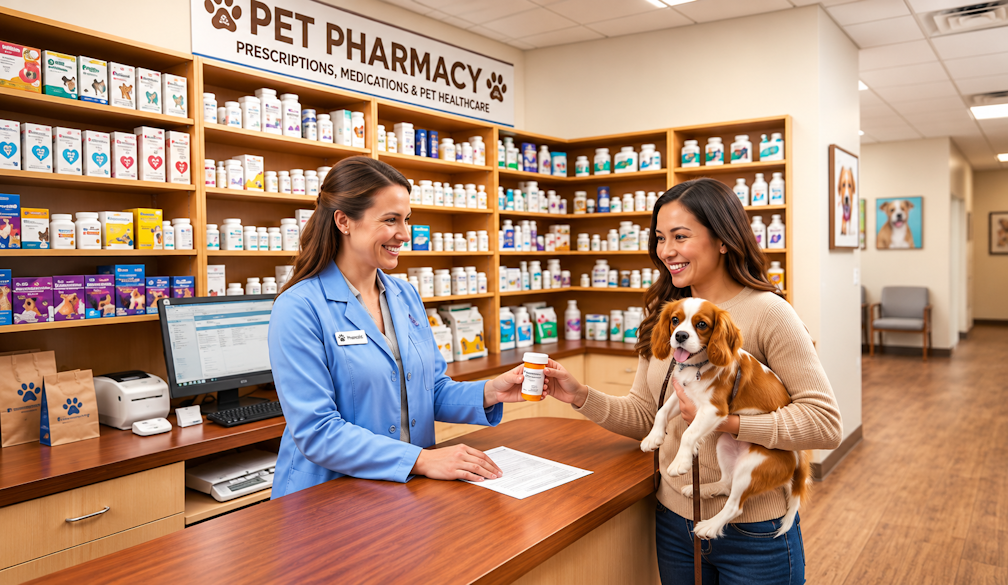
You reach out for that bag of treats on your way home while your dog does his dance at the door and you don’t bat an eye until another recall pops up in the news. Dog treats have been removed from store shelves within the past few months due to contamination with Salmonella bacteria, and pet owners are checking their pantry shelves again. It's a reasonable cause for concern since the CDC estimates there are around 1.35 million cases of Salmonella annually in the United States. So, here’s what happened, what to do if your dog treats have been recalled and what to consider when buying them in New York.
What Was Recalled
A recall was issued on a single lot of Elite Treats Chicken Chips for Dogs in February 2026 due to the presence of salmonella identified in a related but separate lot of the same product that had not yet entered the market. The affected treats were distributed to feed stores in select Southeastern states. A little earlier, in December 2025, there was a recall of Country Vet Biscuits and Heartland Harvest Dog Biscuits after the FDA routine sampling identified the presence of salmonella bacteria in the finished products. They were sold in several Midwestern states, as well as in the Mountain West and Texas.
No illnesses were reported in both cases, and neither of the two recalls mentioned New York. But treats can go far and fast. It makes sense to know how to act ahead of time.
Most recalls happen in a very quiet fashion. In other words, the problem is noticed by a laboratory test, an inspection, or by a manufacturer itself. Then, the company informs the stores to remove just one batch of products. This means that the batch number plays a key role, while the name of the treat on the label doesn't matter anymore. Two bags of the same treat can be perfectly safe or dangerous due to the time and place of their production.
If Your Treats Are Recalled
Here is what you should do:
- Stop feeding your pet the treats, and don't sell or donate them.
- Dispose of the treats in such a way that they would be inaccessible to kids, animals, and wildlife.
- Clean and sanitize the bowls and cups used by your pet, and your hands.
- Contact the company about the return or exchange.
- If your pet has vomiting, diarrhea, fever, or lethargy, contact your veterinarian immediately.
This is where the surprise comes in. While dogs do not usually become ill themselves because of salmonella, they can indeed harbor these bacteria in their feces and saliva. The danger, therefore, lies with the humans living in the household, especially babies, pregnant ladies, senior citizens, and immunocompromised individuals.
Treats From the Shelf vs. Treats from a Prescription
All treats are not created equal. This is because some treats have medication in them. See the distinction between the two right here.
|
Everyday treat |
Medicated treat |
|
|---|---|---|
|
Purpose |
A snack or training reward |
Delivers a prescribed medication |
|
Who decides |
You |
Your veterinarian |
|
Where it comes from |
A pet store or online retailer |
A pet pharmacy, made from the vet's prescription |
|
What can be adjusted |
Very little |
Flavor, form, and dose, as the vet directs |
|
Best for |
Training and fun |
Pets that refuse pills |
|
First step |
Check the label and recall notices |
Get a prescription from your vet |
When the Treat Is the Medicine
Anyone who has ever tried to administer a doggie medicine will understand that a medicated treat may work wonders. At MediServ Pharmacy, you can have your pet's veterinarian prescription compounded into a treat or flavored form, and you can even get both delivered for free in your area. When ordering compounded pet treats in New York, including the Bronx, for a pet on medication, remember that a medicated treat always comes first from your veterinarian and then from a pharmacist.
Pet Store, Pet Supplies, or Pet Pharmacy?
Each one has their purpose. Pet treats and toys and bowls can all be purchased at the pet store or at the pet accessories section of the store. At a pet pharmacy, pet medications will be made available and discussed. Confusion in these areas is the cause of problems. It should never be done that pets are given human medication except when prescribed by a veterinarian and that you should never assume that treats sold at a store can replace medicine. No matter where you shop for pet treats in the Bronx or other areas in the city, keep in mind that treats and medications are separate from each other.
How to Pick Safer Treats
A little planning goes a long way:
- Verify the lot number and the expiration date on the package, then check the list from the FDA for recall of that product before you buy a large quantity.
- Buy from retailers who can trace back their products and will quickly withdraw recalled items from their shelves.
- Hold onto the original bag, or take a picture of the lot number, to be able to match it to a recall in the future.
- Store the treats in an airtight package, and wash your hands after opening.
- Converse with your vet about the new treats, if your pet is on any medications or has allergies.
Recalls tend to attract attention, but a little advance preparation can save you a headache. Have all the steps ready in your mind, have all your lot numbers at hand, and do not mix your pet's regular snacks with his medicines. When he really needs to be given some medication, leave it to your vet and a pharmacist.


 Business Daily Media