How Commercial Mechanical Contractors Keep HVAC and Plumbing Systems Running Smoothly
Most people only think about a building's mechanical systems when something stops working. A cold office in January, a burst pipe over a server room, or a rooftop unit that quits during a heat wave can shut down a business within hours. Companies like Binsky Mechanical have built their reputation on preventing those moments, offering commercial HVAC, plumbing, emergency service, and large-scale construction support backed by experienced engineers and skilled tradespeople.
Their teams use planning tools such as virtual construction to catch problems before a single pipe is cut, which helps keep projects on time and within budget. The result is a building that stays comfortable, efficient, and dependable for years after handover.
This article looks at what commercial mechanical contractors actually do, why their work matters, and what facility owners should look for when choosing one.
What a Commercial Mechanical Contractor Does
A mechanical contractor handles the systems that make a building usable. That usually means heating, ventilation, air conditioning, plumbing, piping, and often refrigeration or process systems for specialized facilities. Residential service companies may handle a few rooftop units or a water heater. A commercial contractor deals with a different scale entirely: chilled water loops, boilers serving several floors, hundreds of fixtures, and controls that tie everything together.
The work falls into three broad areas. New construction means designing and installing systems from scratch, working alongside architects, engineers, and general contractors. Renovation and retrofit work updates older equipment inside buildings that are still occupied, which takes careful scheduling. Service and maintenance keeps everything running after the building opens, including routine inspections, repairs, and emergency calls.
Strong contractors do all three, because each area teaches lessons that improve the others. A technician who repairs aging systems every week knows which design choices cause trouble ten years later.
Why Planning Saves Money
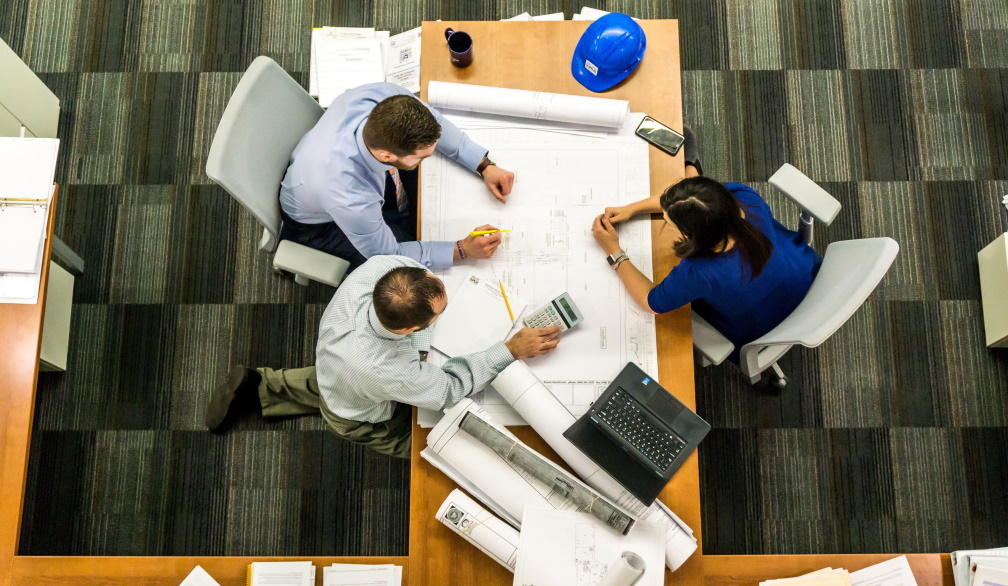
The cheapest time to fix a mechanical problem is before it exists. On a large project, ductwork, piping, electrical conduit, and structural elements all compete for the same limited space above ceilings and inside shafts. When those conflicts are discovered on site, crews lose days waiting for revised drawings and change orders push costs up.
Digital coordination solves much of this. Teams build a detailed 3D model of the building's systems and run it against the work of other trades. Clashes show up on a screen, where fixing them costs nothing, rather than in the field, where fixing them costs real money. Prefabrication follows naturally from this approach. When the model is accurate, pipe assemblies and duct sections can be built in a controlled shop environment and delivered ready to install. Quality improves, waste drops, and the site stays safer and cleaner.
Owners benefit in ways that are easy to measure. Schedules become more predictable, fewer surprises appear in the budget, and the finished installation matches what was promised.
Keeping HVAC Efficient
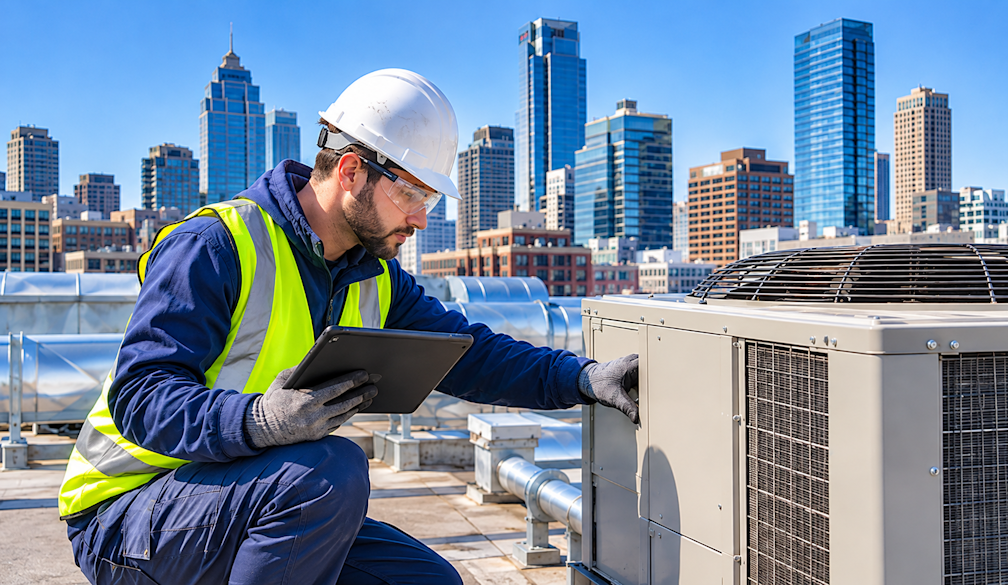
Heating and cooling usually make up the largest share of a commercial building's energy bill, so the quality of the HVAC system shows up directly in operating costs. Efficiency starts with proper sizing. An oversized system cycles on and off too often, wearing out components and wasting power. An undersized one runs constantly and still leaves people uncomfortable.
Good contractors also pay attention to airflow, balancing, and controls. A building automation system can adjust temperatures by zone, respond to occupancy, and flag problems early. A sensor that reports a failing bearing or a clogged filter lets a technician fix a small issue on a quiet afternoon instead of an emergency at midnight.
Indoor air quality has become a bigger concern as well. Tenants, employees, and visitors expect clean, well-filtered air. Contractors help by selecting suitable filtration, setting ventilation rates that match building use, and maintaining coils and drain pans where mold and bacteria can develop.
Plumbing That Handles Heavy Demand
Commercial plumbing carries far more responsibility than a typical home system. A hospital, hotel, or manufacturing plant moves large volumes of water every day, and failure can affect safety, hygiene, and regulatory compliance. For facilities that depend on industrial plumbing, systems must handle domestic water, hot water recirculation, drainage, venting, fire protection connections, and sometimes process piping for equipment.
Material choice matters here. Pipe type, insulation, backflow prevention, and water treatment all affect how long a system lasts and how well it performs. Poorly designed hot water systems waste energy and can create conditions that allow harmful bacteria to grow. Experienced plumbers know how to avoid dead legs, balance flow, and maintain temperatures that protect both occupants and equipment.
Preventive care pays off too. Scheduled inspections of valves, pumps, water heaters, and drains reveal wear before it becomes a flood. A single burst line in a multi-story building can cause damage worth many times the cost of years of maintenance.
The Value of Emergency Service
No amount of planning removes every risk. Equipment fails, storms knock out power, and old pipes give way without warning. What separates a minor interruption from a major loss is how fast a qualified team arrives and how well it understands the building.
Contractors who both install and maintain systems have a clear advantage during emergencies. Their technicians already know where shutoff valves sit, how the controls are configured, and which parts are likely to be needed. Round-the-clock dispatch, stocked service vehicles, and clear communication keep downtime short. For businesses that cannot afford to close, such as restaurants, clinics, data centers, and food producers, this response capability is often the deciding factor when choosing a partner.
What to Look for When Hiring
Facility managers and owners can judge a contractor using a few practical questions.
Experience with similar projects: A firm that has completed work in your type of building will understand its particular demands.
In-house talent: Contractors with their own engineers, project managers, and licensed tradespeople usually communicate better than those who rely heavily on subcontractors.
Safety record: Strong safety performance reflects discipline, and discipline tends to show up in quality and schedule as well.
Technology use: Ask how they coordinate designs, track progress, and report on costs. Clear answers suggest a mature process.
Service capability: A contractor that stands behind its work after handover protects your investment over the long term.
Transparent budgeting: Detailed estimates, honest scheduling, and regular updates matter more than the lowest bid.
A Partnership, Not a Purchase
Mechanical systems are not a one-time expense. They shape energy costs, comfort, productivity, and the lifespan of the building itself. The best results come when an owner treats the contractor as a long-term partner, involving them early in design, keeping them informed about changes in building use, and listening to their advice on upgrades.
Contractors who combine thoughtful engineering, careful workmanship, modern tools, and a firm commitment to deadlines and budgets make that partnership worthwhile. For any business that depends on its building to operate, choosing that kind of team is one of the most practical decisions it can make.


 Business Daily Media