

Expanding into the Balkans? How to Handle Company Vehicles in Serbia
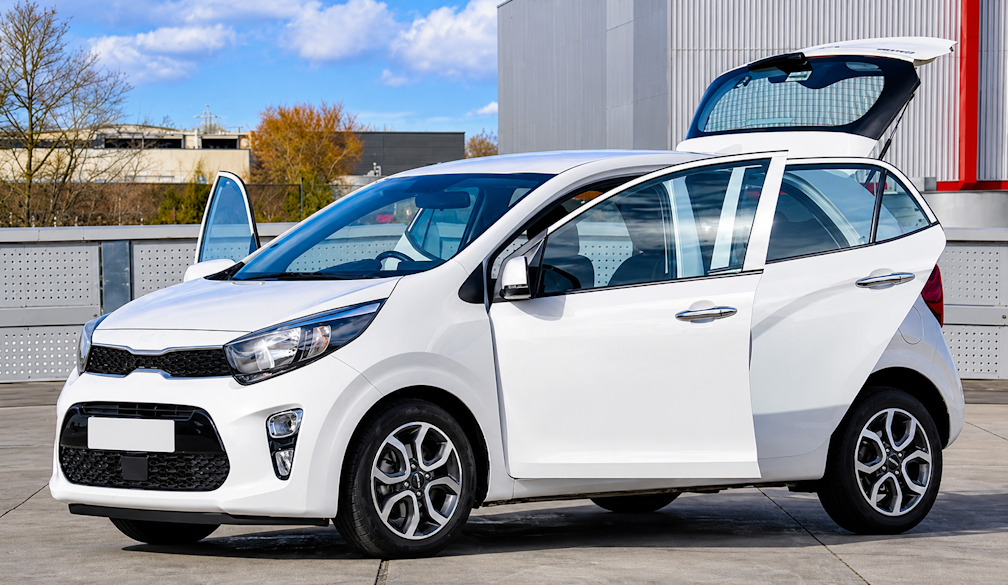
Photo by Mike Bird on Pexels
A Melbourne software company opens a small office in Belgrade. The entity’s registered, the bank account finally works, and six developers have signed. Then a client in Novi Sad asks for an on-site workshop. It’s an hour up the motorway, and nobody has a car.
I hear versions of that story a lot from Australian owners who’ve gone into Serbia. It’s not a disaster. It’s just one of those things nobody budgets for.
Serbia has become a real option for Aussie firms that want a European base without Western European costs. The government’s development agency says the country has pulled in more than €55 billion in foreign direct investment since 2007, with 2024 the biggest year on record.
A good share of that comes from small and mid-sized businesses setting up a Belgrade hub to cover the wider region. Almost none of them think about vehicles until they’re already behind.
Why Cars Matter More Than You’d Expect
Belgrade itself is easy. Trams, buses, cheap taxis and ride-hailing all work fine. But business doesn’t stay in the old town. Industrial zones sit on the edges of Novi Sad, Niš and Kragujevac. Suppliers are spread out. And if your office is meant to serve Bosnia, Montenegro or North Macedonia as well, someone will be crossing a border by car before long.
Then there’s hiring. For sales managers and field engineers in Serbia, a company car is standard, not a nice extra. Leave it out, and the candidate you want takes the other job.
Buying outright is harder than it looks from home, too. A brand new Serbian d.o.o. (roughly the local version of a Pty Ltd) has no credit history there, and lenders know it. There’s no instant asset write-off to soften the blow either. Paying cash for a fleet means tying up money in depreciating metal at exactly the moment you need it for wages and rent.
Don’t Lock Anything In During Month One
My advice is to do it in stages and let your confidence in the market set the pace.
The First Few Months: Rent and Keep Notes
Start with short-term rentals. They’re the most expensive option per day, and that’s fine. You’re paying for flexibility and, more importantly, for information.
Ask whoever books the cars to keep a rough log: who drove, where to, and how many kilometres. After eight to ten weeks you’ll know whether you need two cars or six, and whether they’re doing city errands or 400-kilometre round trips to Sarajevo. Most companies guess that number at the start, and most guess wrong.
Year One to Year Four: Long-Term Rental
Once you know the office is staying, long-term rental is usually the sensible middle ground. Locals will also call it operational leasing. You pay a fixed monthly amount, and someone else owns, insures, and services the car. At the end of the term, you hand it back or swap it for something newer.
Don’t expect the novated lease setup you know from home. The salary-packaging structure Australian employees are used to doesn’t carry over, so plan on the company holding the contract.
For an Australian parent company, the biggest win is fewer headaches across time zones. Belgrade runs nine or ten hours behind the east coast. Your Brisbane finance team doesn’t want to chase an insurance renewal written in Serbian Cyrillic at 11 pm.
Going through a local leasing provider puts someone on the ground who handles it during Belgrade business hours. BizRent is one example. Its contracts run from one to four years, and the monthly instalment includes full casco insurance and servicing. On some packages, you also get a replacement car while yours is in the workshop.
Read the down payment terms closely. With BizRent it can be anywhere from 10 to 50 per cent of the car’s value, which is a wide range. Pay more upfront and the monthly figure drops, so run both versions against your cash forecast before you choose.
BizRent also offers a buyout at the end of the term. That’s useful if the business moves past its “maybe we’ll leave” phase, and you’d rather keep the car.
Don’t stop at one quote. International fleet brands are active in Serbia, and most local banks have their own leasing arms. Get three offers, ideally one from each kind of provider. Headline prices tend to be close. Service terms often aren’t.
Choosing local partners carefully is a core part of any go-to-market strategy for global expansion, and the company looking after your cars is one of those partners, even if it doesn’t feel like a strategic decision at the time.
After That: Own, Finance or Mix
Two years in, things look different. You have local accounts, a payment history, and real mileage data. Financial leasing through a bank, or buying some vehicles outright, becomes realistic. Plenty of firms end up with a mix: owned cars for people who drive constantly, and long-term rentals for roles that might not last.
Where Australian Firms Tend to Trip Up
Licences. An Australian licence doesn’t stay valid forever once someone becomes a Serbian resident. The official Welcome to Serbia guidance on driving licences and insurance explains when it has to be swapped for a local one. Check it for every person you relocate. An invalid licence is the last thing you want your insurer to find after a prang.
Tax. Serbia’s version of GST is called PDV, and it’s 20 per cent, double what you pay at home. Claiming back the input tax on passenger cars is restricted, so a car that looks cheaper to buy can end up costing more once tax is counted. Ask a local accountant to run the after-tax comparison. It’s an afternoon’s work, and it often changes the answer.
Currency. Leasing contracts in Serbia are often priced in euros and paid in dinars. Add the Aussie dollar on top, and you have two exchange rates to watch. Factor that into your budget rather than treating the monthly figure as fixed.
Borders. Taking a rented or leased car out of Serbia usually needs written permission from the owner, plus the right insurance papers for non-EU neighbours. Get it written into the contract early. You don’t want to find out at the Montenegrin border.
Winter. From roughly November to April, winter equipment rules apply. Ask whether winter tyres are included or billed on top, because providers handle this differently.
Sign through the Serbian entity, not head office in Australia. It keeps costs on the right books, makes expensing simpler, and avoids awkward questions if a local employee is pulled over in a car registered abroad. Car benefits usually end up in employment contracts too, so plan them alongside your wider employment entitlements for remote and overseas staff.
What to Ask Before You Sign
The car rental and leasing industry is very competitive, and providers expect a bit of haggling. Here’s what I’d always ask.
First, what’s actually in the monthly fee: insurance, servicing, tyres, roadside help, a loan car? Then ask about the mileage cap and the cost of each extra kilometre, because that’s where bills quietly grow. Can you hand a car back early if a role disappears, and what does it cost? Which countries can the car go to?
And, simple as it sounds, will your contact speak English and answer the phone when Australia is asleep?
If a provider gets vague on any of those, that tells you something.
Conclusion
Company cars won’t make or break a Serbian expansion. They’re just one of the first places where a tidy plan meets the real world. Rent while you’re still working things out. Move to a fixed-term arrangement once the office has proven itself. Only buy when you’re working from real data, not a guess in a spreadsheet.
Coruzant makes a similar point in its piece on building a go-to-market strategy for global expansion: the right local partners matter as much as the plan. Get the cars sorted in month one, and your team can spend year one on customers instead of paperwork.


 Emma Fawcett, CEO of Compare Club






