Five things to check before buying gold for the first time
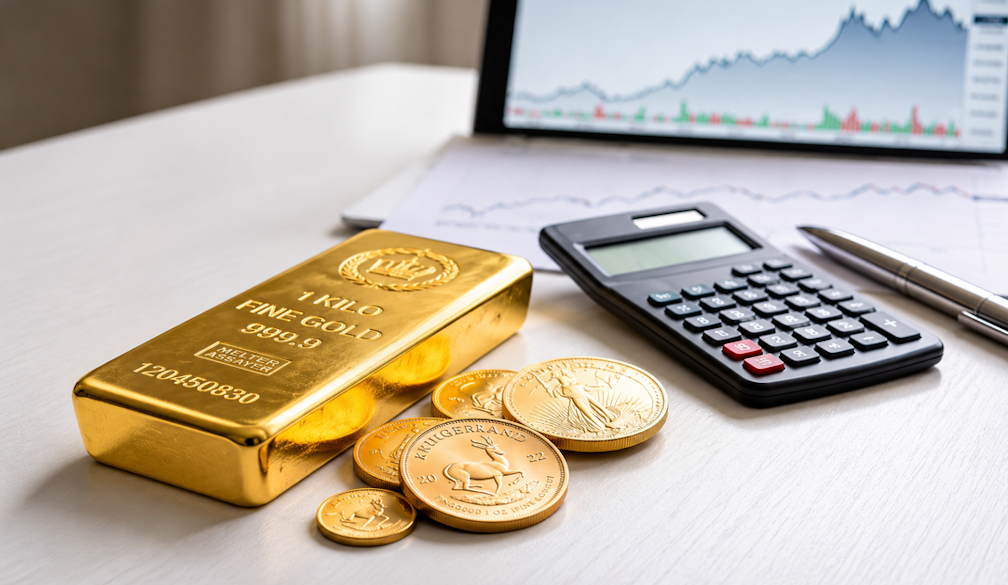
Buying gold for the first time is simpler than it looks from the outside. The market is transparent, the products are standardized, and reputable dealers are easy to find. What trips up new buyers is not complexity but unfamiliarity: not knowing which questions to ask, and therefore not noticing when an answer should raise a flag. Five checks, done in order, cover nearly everything that matters.
Confirm the spot price independently
Before looking at any product, look up the current spot price of gold from a source that isn't trying to sell you anything. This is the reference point for every comparison that follows. A dealer's price will always sit above spot, and the gap, the premium, is what you're evaluating. Without an independent spot figure, you have no way to judge whether a premium is reasonable. Note the time, too. Gold moves throughout the day, and a spot price from this morning may not match a dealer's live quote this afternoon. Small discrepancies are normal; large ones deserve a second look.
Decide between coins and bars
Coins from government mints carry higher premiums but offer legal tender status, instant recognition, and the easiest resale. Bars from private refiners carry lower premiums, especially in larger sizes, but require slightly more verification when selling. For a first purchase of an ounce or two, a sovereign coin is the conventional choice; for a larger allocation, bars offer better value per ounce. Size matters as much as form. Smaller pieces cost more per ounce because minting costs are fixed per unit. A first-time buyer who wants flexibility might choose several smaller coins; one who wants the lowest cost might choose a single larger bar.
Vet the dealer
Reputation is everything in a market where you pay before you receive. Look for a dealer with a long track record, verifiable customer reviews, clear contact information, and a physical address. Check whether shipments are insured and how discrepancies are handled. Read the buyback policy, since selling is as important as buying and a dealer that buys back its own products at published prices is far more useful than one that only sells. Resources like the SD Bullion live gold price page display live pricing and product premiums side by side, which makes the first step, understanding what you're paying and why, considerably easier. Transparency about the premium is itself a signal of a dealer that expects informed customers.
Understand payment options
Payment method affects the price. Most dealers offer a discount for bank wire, check, or ACH transfer compared to credit card, because card processing fees are substantial on high-value orders. The difference is often several percent, which on a gold purchase can exceed the entire premium on a bar. Wires and checks take longer to clear and delay shipment, but for a buyer who isn't in a hurry, the savings are worth
the wait. Be aware that many dealers lock the price at the time of order and require payment within a set window. Missing that window can mean a cancellation fee or a repricing at the current market, which may be higher.
Plan storage before delivery
The package will arrive, and it will need somewhere to go. A home safe rated for fire, bolted to the floor, and placed discreetly is the baseline for small holdings. A bank safe deposit box is an alternative, with the trade-off of limited access hours. For larger positions, allocated storage at a professional depository offers insurance and security that home storage cannot match. Whichever option you choose, decide before the metal ships. Insurance riders for precious metals take time to arrange, and a gold coin sitting in a desk drawer while you think about it is exactly the situation to avoid. Five checks, made in order, and the first purchase becomes routine rather than daunting.
Image Source: https://drive.google.com/file/d/1iLsfeQywuZJa1SiunzuupPEp_BN1ujZD/view


 Emma Fawcett, CEO of Compare Club