Essential Strategies for Upgrading Commercial Warehouse Security and Workflow Efficiency
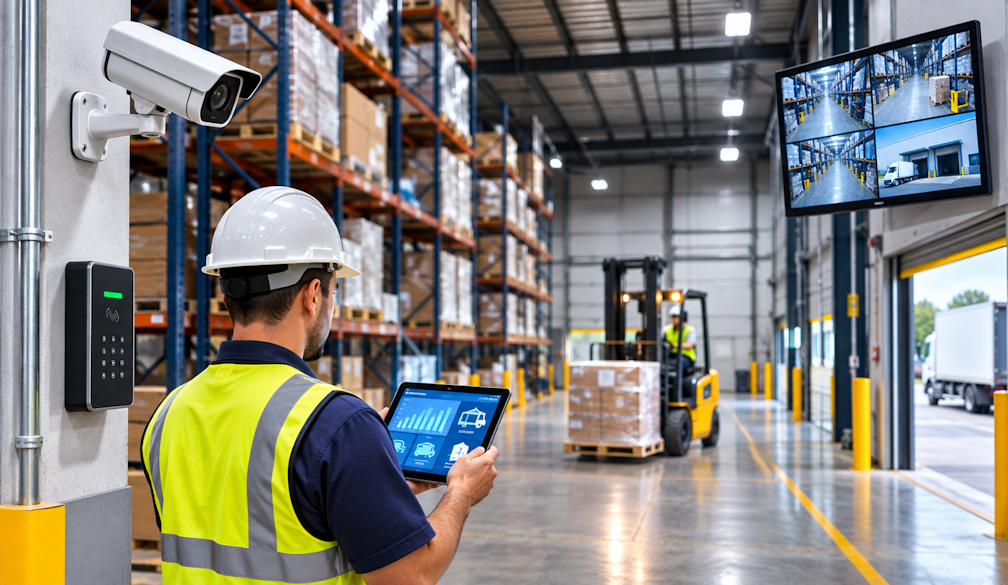
The Australian warehouse market is experiencing an unprecedented boom, valued at over $3.78 billion USD in 2025 and projected to reach a staggering $8.68 billion by 2034. However, as e-commerce demands rise and supply chains become increasingly complex, facility managers face intense pressure to balance high-speed logistics with rigorous asset protection. Ongoing supply chain disruptions and record-high road freight producer prices in 2026 are forcing logistics operators to prioritise automation to offset severe financial margin pressures. While a recent industry analysis indicated that 64 per cent of Australian businesses initiated operational efficiency upgrades last year, many of these initiatives stalled simply due to outdated physical infrastructure.
The Hidden Costs of Outdated Facility Infrastructure
When evaluating a facility for the modern supply chain, operators must look far beyond basic floor plans and storage racks. As detailed in recent analyses of cold storage warehouses and essential design features and considerations, foundational facility planning must incorporate both automated systems and robust access controls to safeguard high-value goods. Failing to secure the perimeter before addressing internal workflow inevitably leaves a business vulnerable to significant loss and operational delays.
The risks associated with ignoring these foundational security elements are severe. In 2024, there were over 160,000 unlawful entries recorded across the country, with approximately 30 per cent specifically targeting non-residential and commercial premises. Because commercial property crime clearance rates consistently sit below 20 per cent, the focus for logistics operators must shift heavily toward proactive perimeter defence rather than relying on post-incident recovery.
Modernising Entry Points for Safety and Speed
Unmonitored or unsecured access points lead directly to operational bottlenecks. Moving goods efficiently requires loading docks and industrial entryways that respond instantly to authorised personnel while keeping opportunistic offenders out. The Supply Chain and Logistics Association of Australia recently noted that replacing manual processes with automated technologies is a critical strategy for improving overall supply chain resilience. One of the most effective ways to streamline this movement is by upgrading to high-quality Commercial Access Remote Controls for all major entryways.
Integrating reliable automation into heavy-duty roller doors prevents delivery vehicles from idling outside and ensures inbound logistics keep moving efficiently. Research confirms that opportunistic offenders actively avoid properties equipped with modern automated heavy-duty roller shutters, citing the high effort, specialised tools, and loud noise required to bypass them.
Prioritising Workplace Safety and Compliance
Beyond security and speed, modernising warehouse entry points is a critical workplace health and safety requirement. The transport, postal, and warehousing sector remains one of the highest-risk industries in the country. Alarmingly, vehicle and mobile plant incidents caused 41 per cent of all Australian worker deaths in 2025, highlighting the extreme danger present where pedestrians mix with forklifts and delivery vehicles around loading docks.
To mitigate these risks, operators must adhere to strict regulatory frameworks. Following the official traffic management guide for warehousing published by Safe Work Australia is crucial for implementing the national safety standards and hazard management controls necessary around heavy industrial vehicle zones. Furthermore, physical body stress from the repetitive manual operation of heavy, outdated industrial doors caused 34.5 per cent of all serious workers' compensation claims in the 2023 to 2024 period. Automating these access points removes the physical strain on staff, drastically reducing the likelihood of costly injuries and extensive time off work.
Key Steps for a Facility Upgrade
For businesses looking to modernise their operations, a phased approach is often the most practical. Consider the following strategic steps to enhance both security and efficiency:
- Conduct a Comprehensive Audit: Evaluate all existing perimeter access points, noting any manual doors that cause physical strain or delay vehicle entry.
- Integrate Automation Technology: Replace outdated manual mechanisms with automated operators to improve both physical security and daily workflow speed.
- Establish Clear Traffic Zones: Separate pedestrian walkways from vehicle loading bays using physical barriers and automated gate systems.
- Regular Compliance Checks: Ensure all mechanical infrastructure meets current workplace safety regulations and receives routine maintenance to prevent unexpected failures.
As the logistics landscape continues to evolve, relying on outdated physical infrastructure is no longer viable. By investing in modern access solutions and rigorous safety protocols, businesses can protect their valuable assets, safeguard their workforce, and maintain a highly efficient supply chain.


 Emma Fawcett, CEO of Compare Club