How Moisture, Garden Timber and Poor Drainage Can Increase Termite Risk
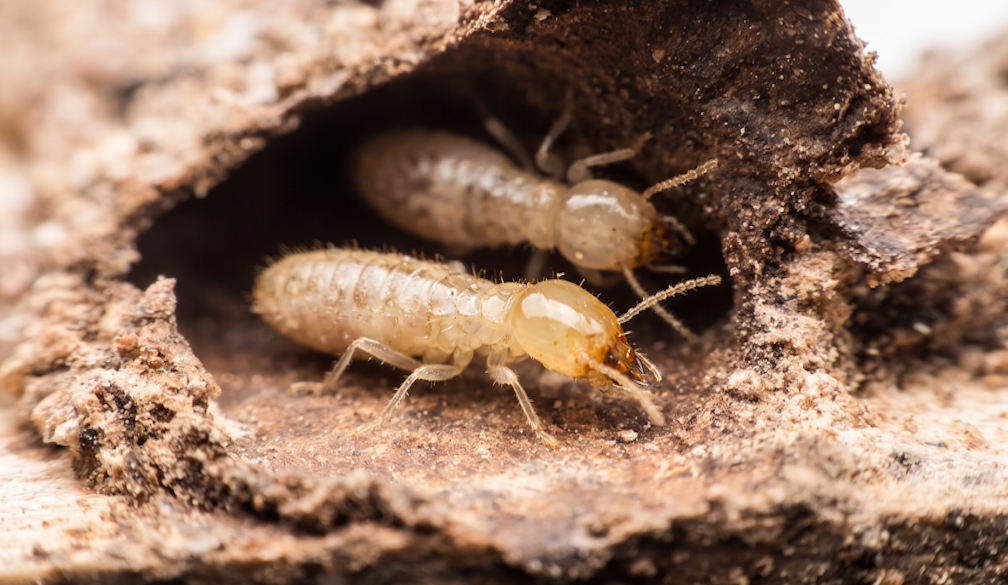
Termite risk often builds slowly. It may start with a leaking tap, damp garden bed, blocked gutter, timber sleeper or poor drainage beside the house. These issues may seem minor, but they can create conditions that make termite activity easier to support.
Sydney properties often include gardens, fences, decks, pergolas, retaining walls and outdoor entertaining areas. These features can be useful, but they also need maintenance. Termites are attracted to timber and moisture, especially when they can travel in concealed areas.
If a property has damp areas, damaged timber or suspicious signs, Termite Pest Control can help assess whether termites are active and what conditions may need attention.
Reducing termite risk is not about one quick fix. It is about managing moisture, timber and access points around the property.
Why Moisture Increases Termite Risk
Moisture is one of the biggest environmental factors linked with termite activity.
Damp soil and wet timber can make a property more attractive.
How Damp Soil Supports Termite Activity
Termites need moisture to survive. Damp soil around foundations, garden beds or subfloor areas can create favourable conditions.
This does not mean termites will always appear, but it increases risk if termites are nearby.
Dry, well-drained areas are less attractive than constantly damp zones.
Why Water Leaks Should Be Fixed Quickly
Small leaks can create long-term dampness. Outdoor taps, plumbing lines, air conditioning runoff and bathroom leaks can all contribute.
Water can affect timber, soil and hidden building areas.
Fixing leaks early helps reduce termite-friendly conditions.
Common Moisture Problems Around Sydney Homes
Moisture problems can occur around the outside and inside of a property.
Some are visible, while others develop slowly.
Leaking Outdoor Taps and Plumbing Lines
Outdoor taps, irrigation pipes and plumbing near walls can create damp soil. If the leak is slow, it may go unnoticed for months.
Damp ground near timber or foundations should be checked.
Repairing leaks is a simple prevention step.
Poor Drainage Beside Foundations
Water should drain away from the home. If it pools near foundations, walls or garden beds, the soil may stay damp.
Poor drainage can also affect subfloor spaces and timber structures.
Drainage improvements can lower moisture pressure.
Blocked Gutters, Downpipes and Overflow Areas
Blocked gutters can overflow and send water down walls. Broken downpipes may release water close to the building.
This can create damp wall edges and wet soil near foundations.
Regular gutter maintenance supports termite prevention.
Garden Features That Can Attract Termites
Garden timber and organic material can create termite-friendly conditions, especially when damp.
Landscaping should be maintained with termite risk in mind.
Timber Sleepers and Retaining Walls
Timber sleepers and retaining walls are common in gardens, but they can attract termites if they stay damp or touch soil.
Damaged or soft timber should be checked.
Termites in garden structures can indicate nearby activity.
Firewood, Timber Offcuts and Stored Wood
Firewood and timber offcuts should not be stored against the house or directly on soil. They can provide a food source and shelter.
Store timber away from the building where practical.
Old timber piles should be removed if not needed.
Tree Stumps, Dead Roots and Old Garden Timber
Old stumps and dead roots can support termite feeding. Even if they are away from the house, they may indicate termite presence nearby.
Dead timber should be monitored or removed where practical.
Garden activity can be an early warning.
Landscaping Mistakes That Hide Termite Activity
Some landscaping choices make termite detection harder.
The issue is often not the garden itself, but how it sits against the building.
Garden Beds Built Against Walls
Garden beds placed against external walls can hold moisture and hide building edges. Soil or mulch may also cover inspection zones.
This can make termite activity harder to notice.
Garden levels should be managed carefully.
Heavy Mulch Near Weep Holes
Mulch helps gardens retain moisture, but heavy mulch near walls can create damp conditions. It can also cover weep holes or vents.
Weep holes should remain clear and visible.
Mulch should be kept at suitable levels near the home.
Soil Levels Covering Inspection Zones
Raised soil levels can hide slab edges, vents and wall bases. This may allow concealed termite movement.
Clear inspection zones make termite signs easier to detect.
Building edges should not be buried by soil or landscaping.
Termite Risk Around Decks, Pergolas and Outdoor Structures
Outdoor timber structures are common around Sydney homes.
They should be checked regularly because they can become termite targets.
Timber Posts in Contact With Soil
Deck posts, pergola posts and timber steps that touch soil can provide direct access for termites.
Where possible, timber should be kept out of soil contact.
Post bases should be checked for softness or damage.
Damp Decking Areas and Shaded Timber
Shaded decking may stay damp longer after rain. Poor airflow below decks can also increase moisture.
Damp timber is more vulnerable to decay and pest activity.
Deck areas should be ventilated and maintained.
Why Outdoor Termite Activity Should Be Checked
Termites in fences, decks or retaining walls may not mean the house is affected, but it shows termites are active nearby.
Outdoor activity close to the building should be assessed.
Ignoring it may allow risk to increase.
Subfloor and Ventilation Issues
Subfloor spaces can create termite risk when damp, cluttered or poorly ventilated.
These areas are often overlooked by homeowners.
Damp Subfloors and Poor Airflow
A damp subfloor can result from poor drainage, plumbing leaks or blocked vents. Limited airflow allows moisture to remain.
This can create conditions that support termites and timber decay.
Improving ventilation can help reduce risk.
Stored Timber and Debris Under the House
Stored timber, cardboard, old materials and debris under a house can provide food and shelter.
Subfloor areas should be kept clear where possible.
Removing unnecessary material makes inspection easier.
Keeping Vents and Weep Holes Clear
Vents and weep holes help manage airflow and moisture. They should not be blocked by soil, mulch, paving or stored items.
Blocked ventilation can increase dampness.
Keeping these areas clear supports prevention.
Practical Ways to Reduce Termite Risk
Termite prevention focuses on reducing moisture, timber access and hidden movement.
No single step guarantees protection, but combined maintenance helps reduce risk.
Improve Drainage Around the Property
Make sure water flows away from the home. Repair drainage problems, leaking taps and broken downpipes.
Check the property after heavy rain.
Pooling water should be corrected.
Remove Timber-to-Soil Contact
Avoid timber touching soil where possible. This includes stored wood, garden edging, fence posts and deck supports.
Timber-to-soil contact can give termites hidden access.
Removing it helps reduce opportunity.
Keep Building Edges Clear for Inspection
External walls, slab edges, vents and weep holes should be visible. Avoid stacking items against walls or building garden beds too high.
Clear edges make warning signs easier to spot.
Inspection access is important.
When Moisture or Timber Damage Needs a Termite Assessment
Some signs should not be ignored because they may indicate active termites or increased risk.
Assessment is especially important when several risk factors appear together.
Signs That Should Not Be Ignored
Mud tubes, hollow timber, damaged garden sleepers, soft skirting boards, damp timber, bubbling paint and discarded wings should be checked.
Moisture problems near timber should also be taken seriously.
Early assessment can reduce uncertainty.
Why DIY Prevention Cannot Guarantee Protection
Homeowners can reduce risk, but DIY prevention cannot confirm a property is termite-free. Termites can remain hidden inside walls, floors and concealed voids.
Surface products may not reach colony activity.
Proper inspection is needed when signs or risk conditions appear.
Termite Risk FAQs
Does moisture attract termites?
Moisture can create favourable conditions for termites and should be managed carefully.
Is mulch bad for termites?
Mulch is not always a problem, but heavy mulch against walls can hold moisture and hide inspection zones.
Can termites start in garden timber?
Yes. Termites may feed in sleepers, fences, stumps, retaining walls and stored timber.
Should firewood be stored near the house?
It is better to store firewood away from the building and off the ground where practical.
Can DIY termite prevention guarantee protection?
No. DIY steps can reduce risk, but they cannot guarantee a property is termite-free.
Conclusion
Moisture, garden timber and poor drainage can all increase termite risk around a property. These conditions often develop slowly, which makes regular maintenance and inspection important.
For Sydney homeowners, reducing dampness, managing timber and keeping building edges clear can help lower risk. If suspicious signs appear, proper termite assessment is the safest way to understand whether termites are active and what action is needed.


 Emma Fawcett, CEO of Compare Club