Why Safer Properties in Peoria Need More Than Warning Signs
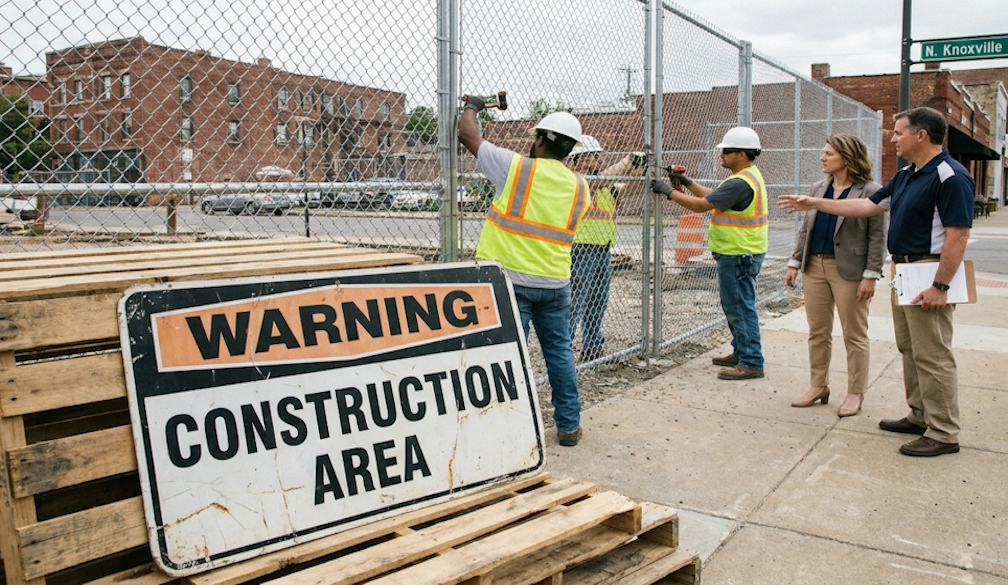
A yellow sign beside a wet floor may alert visitors, but it cannot make an unsafe property safe. Real prevention comes from finding hazards early, fixing their causes, and checking that repairs last. Property owners and businesses can benefit from understanding Peoria premises liability legal guidance to learn how unsafe conditions may lead to injury claims and why regular inspections matter.
Step 1: Inspect the property through a visitor’s eyes
Regular occupants can stop noticing hazards. A raised mat, dim stairwell, loose handrail, or box near an exit may endanger someone unfamiliar with the space. Peoria property managers should inspect the routes customers, delivery workers, tenants, and guests use.
Check entrances, parking areas, stairs, corridors, restrooms, loading zones, and outdoor paths for uneven flooring, water, exposed cables, poor lighting, or blocked views. Inspect again after rain, cleaning, deliveries, or layout changes. Use a checklist, but repeat checks when conditions shift. In Peoria, snow, rain, tracked-in salt, and seasonal debris can change walking surfaces quickly. Check entry mats and outdoor paths more often during bad weather, and keep a clear route between parking areas and entrances.
Step 2: Make responsibility clear
A hazard can remain unresolved when no one knows who must act. Assign responsibility for checking the area, making it safe, arranging repairs, and confirming completion. In a small business, one person may handle several duties, but the owner of each next step must be clear.
Use a reporting process. Record the location, time, condition, action taken, assigned person, and repair date. Photos can document the hazard and the fix. Combined records may reveal repeat problems, such as a recurring leak or a loose step.
A cone or barrier is temporary, not a replacement for repair. If the risk remains, restrict access and follow up until the area is safe. Set a target time for each action and escalate delays to a manager. If a repair cannot happen that day, document the interim measure and arrange another inspection so it does not become an unnoticed, permanent workaround.
Step 3: Fix the cause instead of hiding the symptom
Repeated hazards often point to a deeper issue. Water on a floor may come from a damaged pipe, poor drainage, a leaking appliance, or rain tracked indoors. Mopping the same spot without finding the source only manages the symptom.
Look for patterns. If people trip at one doorway, check its threshold, lighting, and surface. OSHA’s walking-working surfaces guidance explains measures that can help prevent falls in many workplaces. Managers should check which requirements apply to their operation.
Set a deadline for contractor repairs and maintain safeguards until work is done. Peoria businesses can track open repairs at staff meetings rather than relying on memory. For additional background on property-related topics, general reference information can also provide a starting point for further research.
Step 4: Train employees to notice and report risks
Rules work only when employees know how to use them. Train staff to report spills, damaged equipment, blocked exits, broken lights, and unsafe surfaces. Refresh training when duties or layouts change.
Show employees how to restrict access, alert a supervisor, and record what they saw. Make clear that reporting a hazard is helpful, not complaining. Early reports can prevent injuries.
When danger cannot be removed immediately, warn visitors, use barriers, and direct them to a safer route. For sites serving older adults or people with mobility limitations, CDC fall-prevention resources offer practical information about reducing fall risks. Good lighting, handrails, clear walkways, and maintained surfaces support safer movement.
Step 5: Use every incident to improve the system
If someone is injured, arrange medical assistance and secure the area. Record the time, location, conditions, witnesses, photographs, and steps taken while details are fresh. Do not guess about fault or alter an account to protect the organization’s image.
Preserve maintenance logs, inspection sheets, cleaning schedules, relevant footage, and prior hazard reports. Follow privacy rules and notify the manager or insurer as required. Staff should not speculate about the cause or legal responsibility.
Review how the hazard developed, whether warnings were missed, and how to prevent a repeat. Serious incidents may raise legal questions about property control, notice of a danger, and reasonable precautions. The answers depend on the facts and applicable law.
Why records matter after an injury
Accurate records help managers plan maintenance, spot repeat hazards, and confirm that reports were addressed. Entries should be dated and based on observation, not assumptions.
Keep records proportionate. A small shop may use a shared digital log and scheduled walkthroughs; a large site may need inspection calendars and contractor files. Consistency matters more than complexity. Peoria managers can review open items weekly to keep hazards in view.
Records do not prevent every injury or decide legal responsibility. They help people learn from mistakes, but only when someone acts on them. Managers should review trends rather than simply filing forms. Share lessons with the employees who can make a change, then confirm that the new practice is working.
Frequently asked questions
Are warning signs enough to prevent a premises injury?
No. Signs can alert people to a hazard, but they do not replace reasonable inspections, repairs, barriers when needed, and follow-up. The right response depends on the type of danger and how quickly it can be removed.
What should someone do after an injury on another person’s property?
Seek medical care when needed, report the incident to the property manager, and keep relevant records. If it is safe, take photographs and write down what happened while details are clear. Anyone considering a claim should seek advice based on the facts and the law that applies to the location.
How often should a property be inspected?
Frequency depends on a property’s size, public use, history, weather, equipment, and known hazards. Busy or changing areas may need checks several times a day.
Safer properties depend on repeatable action
A building is not safe just because it has a handbook or warning signs. Safety improves when people find problems, own repairs, and confirm that solutions last. In Peoria, these habits protect visitors, employees, tenants, and organizations. Treat reports as useful information and improve inspections before a preventable injury occurs. Safety comes from consistent tasks, clear ownership, and fixing problems before they reach visitors. Locally, routine checks also reassure visitors that their safety matters. For Peoria property owners, that approach supports better daily operations and a more dependable experience for everyone who enters the premises.


 Emma Fawcett, CEO of Compare Club