Cutting Costs on the Road: How Australian Businesses Are Rethinking Their Vehicles
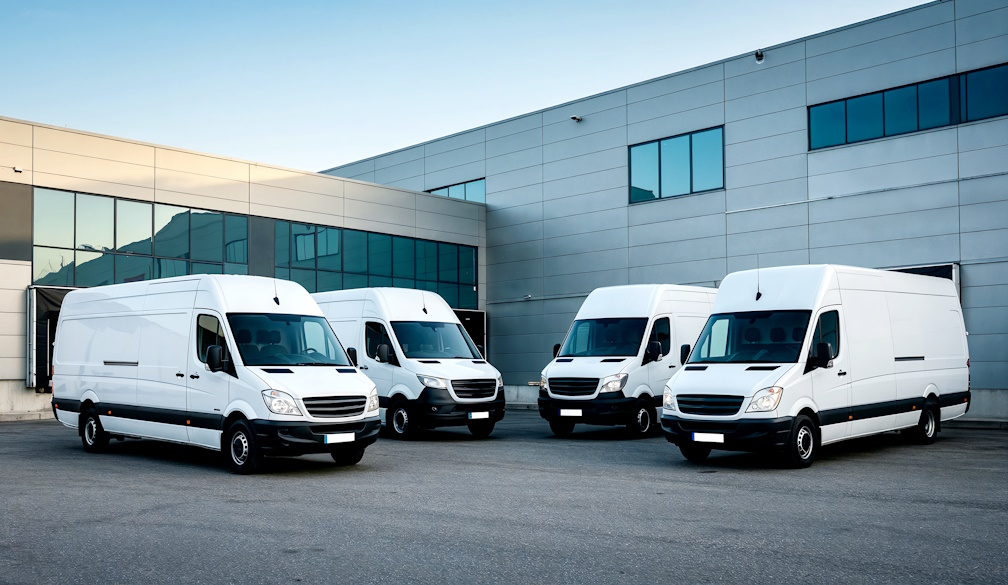
For decades, the company car was a status symbol. A shiny sedan for the sales manager, a bigger one for the director and a row of white utes for the field team. Vehicles were bought, driven hard for a few years and replaced, often with little thought beyond the sticker price and what the boss fancied.
That approach is changing fast. Rising fuel prices, the shift towards electric vehicles, tighter safety expectations and pressure to cut emissions have all pushed businesses to look more closely at what their vehicles actually cost. Organisations with dozens or hundreds of vehicles are increasingly turning to specialist commercial fleet management to bring those costs under control and make smarter long-term decisions.
The question has changed
Not so long ago, the main question was simply which vehicle to buy. Now businesses are asking more fundamental questions. Do we need this many vehicles at all? Should we own them or lease them? Which roles could use electric vehicles? Could staff share a pool of cars rather than each having one allocated?
These questions reflect a broader shift from thinking about vehicles as assets to thinking about them as a service that supports the business. The goal is not to have the nicest fleet. It is to have the right fleet.
Right-sizing the fleet
Many organisations discover they have more vehicles than they need. Cars allocated to individuals may sit in the car park for days at a time. Utes bought for heavy work end up being used mostly for suburban driving.
Analysing actual usage, often through telematics data, can reveal opportunities to reduce fleet size, swap vehicles for more suitable models or introduce pool vehicles that are booked as needed. Even a modest reduction in the number of vehicles can deliver significant savings once fuel, insurance, registration and maintenance are taken into account.
The electric question
Electric vehicles are no longer a fringe consideration. For businesses with predictable routes, access to charging and a commitment to reducing emissions, EVs can offer lower running costs and less maintenance than petrol or diesel vehicles.
They are not right for every role, at least not yet. Long regional trips, heavy towing and remote work can still be challenging. Many businesses are taking a staged approach, starting with pool cars or metropolitan roles and expanding as charging infrastructure and vehicle options improve. Hybrid vehicles offer a useful middle ground for roles that are not quite ready for a full switch.
Lifecycle thinking
The cheapest vehicle to buy is rarely the cheapest to own. Total cost of ownership takes into account depreciation, fuel or electricity, servicing, tyres, insurance, registration and resale value over the life of the vehicle.
Timing replacement well matters too. Keeping a vehicle too long can lead to rising repair bills and falling resale value. Replacing it too early wastes money. Finding the sweet spot for each vehicle type is one of the less glamorous but more valuable parts of fleet management.
Safety and duty of care
A vehicle used for work is a workplace, and businesses have obligations to keep drivers safe. That includes selecting vehicles with strong safety ratings, maintaining them properly, managing driver fatigue and setting clear rules about phone use and speeding.
Good fleet management supports this by tracking servicing, monitoring driver behaviour where appropriate and making sure incidents are reported and followed up. Safer driving tends to reduce accident costs and insurance premiums as a happy side effect.
Novated leasing and salary packaging
Fleet thinking now extends beyond vehicles owned by the business. Many employers offer novated leasing as a staff benefit, allowing employees to package a car through their salary. It costs the employer relatively little to administer and can be a valued perk, particularly with incentives that apply to some electric vehicles.
Data drives better decisions
Perhaps the biggest change is the amount of information now available. Fuel cards, telematics, maintenance records and booking systems generate data that can guide decisions about vehicle selection, replacement timing, route planning and driver training. Businesses that use this data well can make choices based on evidence rather than habit.
A smarter road ahead
The days of buying a row of identical utes and forgetting about them until they break down are fading. Businesses that take a more strategic approach to their vehicles are finding savings, cutting emissions and keeping their people safer on the road. For many, the fleet has gone from an afterthought to one of the most actively managed parts of the operation.


 Business Daily Media