Earwax Explained: What It Is and Why Ears Mostly Look After Themselves
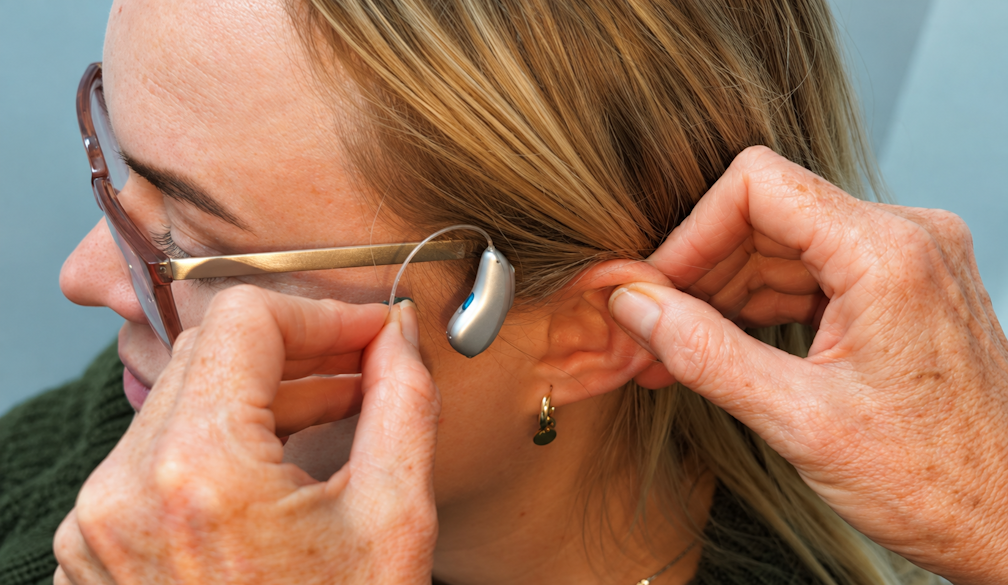
Earwax has a reputation as something unpleasant to be removed, but it is a normal substance with a job to do. Understanding where it comes from and how the ear handles it explains why most people never need to think about it, and why the urge to clean inside the ear is often unnecessary.
What Earwax Is Made Of
Earwax is a mix of wax, shed skin cells and dirt. According to Safer Care Victoria, it helps protect the inner ear from water and infection. The outer ear canal is a tunnel of about 3 cm, lined with skin, tiny hairs and glands that produce the wax.
That lining is part of the story. Wax usually leaves the ear by itself over time, and many people never notice it happening. Some build-ups clear without any treatment.
Why It Differs From Person to Person
Not everyone produces the same amount of wax, which is why one person can go years without a second thought while another is more aware of it. A person who naturally produces a lot of wax, has narrow or hairy ear canals, works in a dusty place, or has a skin condition such as eczema or psoriasis is more likely to have it build up. People who wear hearing aids may also be more prone to it.
For hearing aid wearers, wax can become a practical nuisance as well. It can cause a device to whistle, and wax in the tube or speaker can stop an aid working properly. The usual suggestions are to clean the device more often and to have it serviced if needed.
The Cotton Bud Question
The habit of cleaning inside the ear with a cotton bud or fingertip is widespread, and it is also what health bodies advise against. Cleaning the canal this way can push wax further down instead of removing it. The suggestion is to limit cleaning to the outer ear.
Ear candles are another well-known idea that has little to support it. They do not remove wax, and they can cause injury, so they are generally not recommended.
A Sensible Next Step for Those Who Want It Looked At
Some people are simply curious about the state of their ears, or would rather have a professional look than guess. For them, reading up on ear wax removal Gold Coast services is a practical place to start, since it gives a picture of what an appointment involves before booking.
Questions Worth Asking Before an Appointment
A few simple questions make an appointment easier to understand. Who will be doing the check, and what training do they have in ear care? Will the ear be looked at before anything is done? What is the process, and what happens if it cannot be completed in one visit? How long does an appointment usually take, and is any follow-up suggested?
Providers are used to being asked these, and clear answers are a sign that the appointment is being treated seriously. People who wear hearing aids might also ask whether the check includes a look at the device.
Reading a Service Page With a Critical Eye
Before booking anything, it helps to read a service page the way a careful reader would. Does it say who carries out the appointment and what their training is? Does it describe the process in plain terms? Is the language measured, or does it promise instant or guaranteed results? Wax and ears vary between people, so wording that sounds absolute deserves some caution, and a page that explains what happens and what to expect is generally more useful than one that only reassures.
A Few Everyday Habits
Most of it is simple. Leave the inside of the ear alone, limit cleaning to the outer ear, and avoid pushing objects into the canal.
There is no general rule for how often anyone needs their ears checked, since it depends on the person. For many, the answer is that the ears take care of themselves.
Keeping This in Perspective
This is general background and is not a substitute for advice from a doctor or another health professional. Anyone with ear pain, discharge, dizziness or a sudden change in hearing should see a doctor rather than relying on a general article like this one.


 Business Daily Media