What Every Traveler Should Know Before Hitting the Road
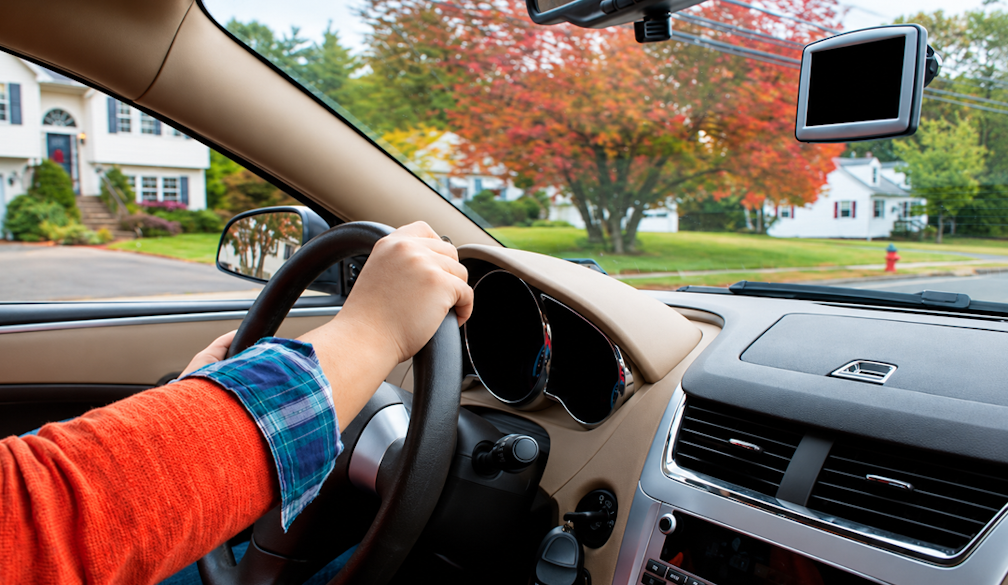
Road trips offer the freedom to explore new destinations, discover hidden attractions, and enjoy time away from everyday responsibilities. Whether you're planning a weekend getaway, a cross-country adventure, or a camping trip in a recreational vehicle (RV), preparation can make the experience safer and more enjoyable. From checking your vehicle to planning your route, a few important steps can help you avoid unnecessary stress along the way. In this article, we'll explore essential road trip preparation tips, driving safety practices, and vehicle maintenance considerations every traveler should know before leaving home.
Prepare Your Vehicle Before Departure
Before hitting the road, take time to inspect your vehicle and address any potential maintenance issues. Check your tire pressure, oil levels, coolant, headlights, brake lights, and windscreen wipers. If your vehicle is due for a service, schedule an appointment before your trip rather than waiting until a problem develops during your journey.
According to IBISWorld, the automobile industry revenue has grown at a compound annual growth rate (CAGR) of 0.2% over the past five years, reaching an estimated $11.3 billion in 2025. With vehicles remaining an important part of everyday transportation, keeping yours in good condition is a practical way to prepare for the demands of travelling.
It's also worth packing an emergency kit with a first-aid kit, torch, jumper cables, water, basic tools, and a spare tire if your vehicle has one. Having these supplies available can make unexpected delays easier to manage.
Plan Your Route and Travel Schedule
A little planning can help you make the most of your time on the road. Map out your destination, identify suitable rest stops, and research fuel stations along your route. If you're travelling through unfamiliar areas, check road conditions and potential construction delays before setting off.
Allow extra time for traffic, meal breaks, sightseeing, and unexpected detours. Trying to reach a destination within an overly ambitious timeframe can make a road trip feel exhausting instead of relaxing. If you're travelling over several days, book accommodation in advance when possible, particularly during busy holiday periods.
Keep your itinerary flexible enough to accommodate interesting stops along the way. Scenic viewpoints, local attractions, and small towns can become memorable parts of the journey.
Prioritise Safety Behind the Wheel
Safe driving should remain a priority throughout your trip. Avoid distractions, keep your attention on the road, and never use your phone to send messages while driving. If you need to check directions or respond to a message, pull over somewhere safe first.
Kentucky and Tennessee are among the 39 states that have laws prohibiting texting while driving. Before travelling across state lines, familiarize yourself with local traffic regulations, speed limits, and any restrictions that may apply to your journey.
It's equally important to get enough sleep before driving and take regular breaks during longer trips. Share driving responsibilities with another qualified driver when possible, and never continue driving if you're feeling drowsy. Maintaining a safe following distance and adjusting your speed to weather conditions can also help reduce risks.
Take Care of Your RV
For travellers using an RV, preparation involves additional considerations. Before departure, inspect the tires, brakes, lights, batteries, plumbing, and electrical systems. Check that doors, storage compartments, and exterior equipment are secured before moving.
According to Camper Report, a properly maintained RV can last approximately 20 years or more. Protective measures, such as using an RV cover, can help reduce damage caused by sun, rain, and environmental exposure. Regular cleaning, inspections, and maintenance can help preserve your investment between adventures.
Remember to account for your RV's height, width, and weight when choosing routes. Some roads, bridges, and parking areas may not accommodate larger vehicles. Planning suitable overnight stops and checking campground facilities ahead of time can also make your journey more comfortable.
A successful road trip starts with thoughtful preparation. Inspecting your vehicle, planning your route, following traffic laws, and prioritizing rest can help you travel with greater confidence. RV travelers should also pay attention to specialized maintenance and protective storage practices. By taking these precautions before departure, you can spend less time worrying about potential problems and more time enjoying the destinations, experiences, and memories that make road trips worthwhile.


 Business Daily Media