Which Home Upgrades Add the Most Value? A Practical Guide for Owners and Investors
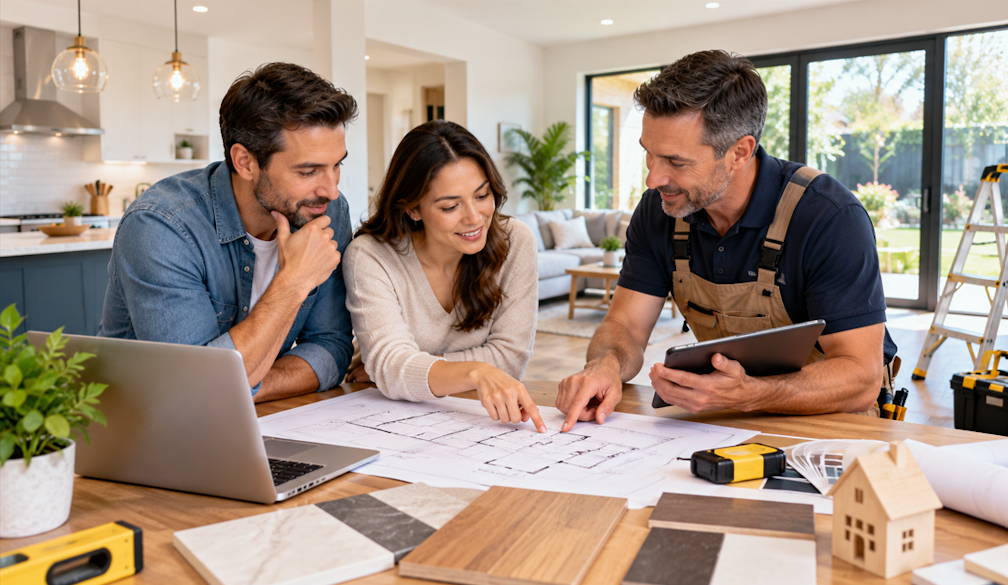
Upgrades that add the most value to a home are usually the ones buyers and tenants notice within minutes of walking in, and they aren't always the most expensive projects on the list. Owners planning to sell within a year or two and investors holding for rental income weigh each project differently, so it helps to look at what an upgrade does for space, running costs and first impressions before setting a budget. The four areas below cover where most of that value tends to sit.
Adding a Focal Point to Living Spaces
A living room with no obvious centre can feel unfinished in photographs and in person, which is why owners often add a fireplace, built-in shelving or a panelled feature wall. A fireplace gives the seating something to face and makes the room look finished. Most owners narrow the choice after standing in a local fireplaces showroom and seeing a surround at full size next to a real wall, since hearth depth, mantel height and fuel type are easiest to compare in person. Measure the chimney breast beforehand so the options you see are ones that will actually fit.
Refreshing Kitchens and Bathrooms
Buyers open cupboards, run taps and look closely at grout, so a refit limited to new flooring, worktops and cabinet doors can add value without the cost of moving plumbing or walls. Keeping the existing layout also shortens the project, which matters to investors who lose rent for every week a property sits empty. Bathrooms respond to the same approach, with fresh sealant, modern taps and a bright, clean finish doing much of the work when the layout is sound.
Creating Extra Space and Lower Running Costs
Loft conversions: In one survey of estate agents, open-plan living and loft conversions ranked above extensions and new kitchens, so a spare bedroom or study in the roof space is worth pricing early. Check headroom and the position of the staircase before paying for drawings.
Insulation and glazing: Better loft insulation and modern double glazing reduce heat loss, and a lower energy bill matters to tenants who pay it and to buyers who ask about it. Keep installation dates and guarantees together so they can be handed over at viewings.
Storage: Fitted wardrobes, understairs units and utility shelving make a home feel larger and easier to keep tidy without adding to its footprint, which helps in smaller properties where each room is judged on how it's used, and tidy built-in storage photographs well for listings.
Setting a Budget That Suits Your Plan
Get at least two written quotes for each project and compare them with what similar homes nearby have sold or let for, because an upgrade only adds value when it costs less than the uplift it creates. Owners staying for several years can spend more on what they'll use every day, while investors do better with durable finishes and neutral colours that appeal to the widest range of tenants. Begin with the upgrade that fixes the weakest room, then decide on the next once you've seen how it changes viewings or enquiries.


 Business Daily Media