Singapore Total Knee Surgery Cost: What Patients Should Expect
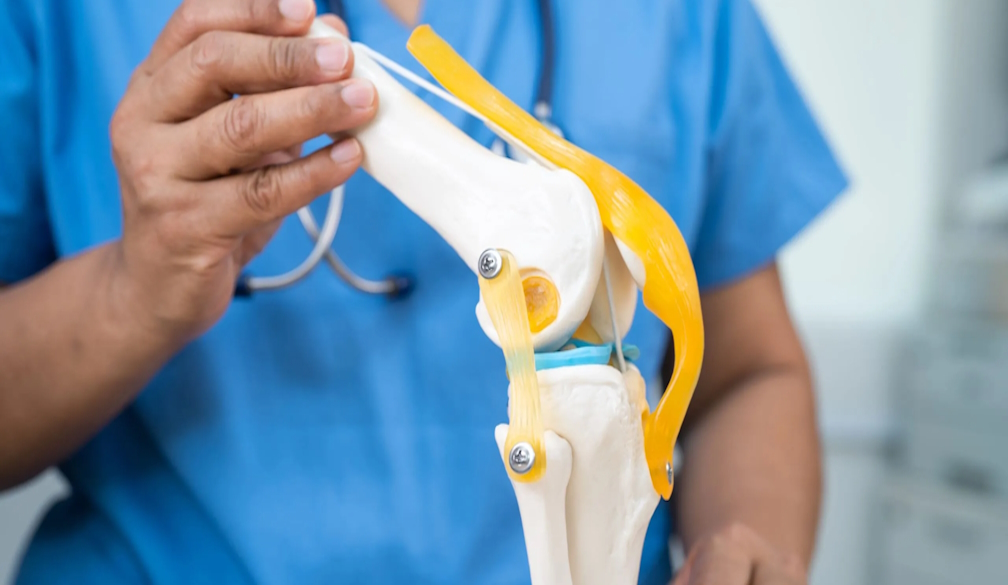
Total knee replacement is one of the most common operations for people with severe knee arthritis, and for many it brings real relief from pain and stiffness. Yet when patients are first told they may need surgery, the question that follows quickly is about money. Costs vary widely depending on where you are treated, how complex your knee is and which type of room you choose.
Understanding Singapore total knee surgery cost before you commit can help you plan your finances and avoid surprises on the hospital bill. This guide explains typical price ranges, what makes up the final amount, how MediSave and insurance can help and what questions to ask your orthopaedic clinic. All figures here are indicative and based on published estimates, so always request a written quotation for your own case.
How Much Does a Total Knee Replacement Cost?
The answer depends heavily on whether you are treated in the public or private sector. Based on figures drawn from Ministry of Health benchmark data, a primary total knee replacement can look roughly like this:
|
Setting |
Typical all-in bill (approx.) |
|
Subsidised public hospital (Ward C) |
About S$7,000 |
|
Unsubsidised public hospital (Ward A) |
About S25,000 to S26,000 |
|
Private hospital |
About S25,000 to S57,000, depending on the source and facility |
Some clinics quote private bills at S25,000toS40,000, while MOH-based figures show a median closer to S$48,000. The gap comes from differences in surgeon, implant, ward type and what each estimate includes. Subsidised rates also depend on your eligibility, ward class, MediSave use and insurance, so direct comparisons between public and private bills are not always meaningful.
What Makes Up the Bill?
A knee replacement bill is rarely a single charge. It is usually made up of several parts:
- Surgeon's fee: Benchmark figures for a primary total knee replacement are roughly S10,000toS15,000, though some private practices charge more.
- Anaesthetist's fee: Typically a few thousand dollars at most, depending on the length and complexity of surgery.
- Implant: A standard implant is often quoted at about S4,000toS6,000. Premium or custom implants can add several thousand dollars.
- Hospital stay and ward charges: A typical stay is around four to five days, though some patients go home earlier. Single rooms cost more than shared wards.
- Operating theatre and consumables: These cover instruments, dressings and other single-use items.
- Medications and supplies: Pain relief, antibiotics, knee braces and cold therapy items.
Costs Beyond the Operation Itself
Many patients budget only for the surgery and forget the surrounding expenses. These can add up:
- Pre-operative assessment: Consultations, blood tests, X-rays and sometimes an MRI or ECG.
- Physiotherapy: Rehabilitation is a key part of recovery and may continue for several weeks or months.
- Follow-up visits: Review appointments and repeat X-rays after surgery.
- Time off work and help at home: You may need medical leave, a walking aid or temporary caregiver support.
Asking your clinic for an itemised estimate that includes these items gives you a more realistic total.
Factors That Can Raise or Lower the Cost
Two patients having the same operation can end up with very different bills. Common reasons include:
-
Public or private care. Private facilities generally cost significantly more than subsidised public wards.
-
Ward type. A single room costs more than a multi-bed ward.
-
Type of implant. Standard, premium and custom implants are priced differently.
-
Surgical technique. Computer-assisted or robotic-assisted approaches may carry an additional charge.
-
Complexity of your knee. Severe deformity or previous surgery can lengthen the operation.
-
One knee or both. Bilateral replacement costs more, although some patients choose it to avoid two separate recoveries.
-
Complications or extended stay. A longer admission naturally increases the bill.
MediSave, MediShield Life and Insurance
Several layers of coverage can offset part of the cost. Knee replacement is a MediSave-claimable procedure, with surgical withdrawal limits set according to the procedure's category. MediShield Life also provides coverage for large hospital bills, and Integrated Shield Plans can extend coverage to private hospitals and higher ward classes, subject to each plan's terms and any co-payment.
Because limits, claim rules and policy terms change from time to time, confirm the current figures with your clinic's billing team, your insurer or the Ministry of Health and CPF Board before surgery. Ask your insurer whether pre-authorisation is needed, as this can prevent claim problems later.
Questions to Ask Your Orthopaedic Clinic
Walking into the consultation with a list helps you get clear answers:
- Can I have an itemised written quotation for the surgery, including the implant?
- What is included in the package, and what is billed separately?
- How many days will I probably stay in hospital?
- How much of the cost can be claimed from MediSave and my insurance?
- What happens to the cost if complications arise or I need a longer stay?
- What rehabilitation will I need, and what will it cost?
Is the Surgery Worth the Cost?
Knee replacement is generally considered when pain, stiffness and reduced mobility affect daily life and other treatments, such as medication, physiotherapy or injections, no longer help enough. Many implants last well over a decade, and most patients return to everyday activities within a few weeks to a few months. Rather than choosing based on price alone, consider the surgeon's experience, the quality of aftercare and how well the proposed plan fits your needs.
Final Thoughts
Knee replacement costs in Singapore vary widely, from a few thousand dollars after subsidies in the public sector to tens of thousands in private care. The best way to avoid financial stress is to understand how the bill is built, check your MediSave and insurance coverage early and ask for a detailed quotation. Speak to an orthopaedic specialist about your options so that you can balance cost, comfort and clinical needs with confidence.
Frequently Asked Questions
1. How much does a total knee replacement cost in Singapore?
Estimates range from about S7,000forsubsidisedpubliccaretobetweenS25,000 and S$57,000 in private hospitals, depending on the surgeon, implant, ward type and length of stay.
2. Can I use MediSave for knee replacement surgery?
Yes. Knee replacement is MediSave-claimable, up to the withdrawal limit for the procedure. Check the current limit with your clinic or the CPF Board.
3. Does insurance cover total knee replacement?
MediShield Life and Integrated Shield Plans can cover part of the bill, depending on your plan, ward class and policy terms. Confirm coverage and pre-authorisation requirements with your insurer.
4. Why do quotes differ so much between clinics?
Differences usually come from the surgeon's fee, implant choice, hospital and ward type, surgical technique and what the quotation includes. Compare itemised estimates rather than headline prices.
5. How long will I stay in hospital?
A typical stay is around four to five days, although this depends on your recovery and the hospital's protocols. A longer stay increases the final cost.


 Business Daily Media