What to Look for in a Quality Swimming School in Melton
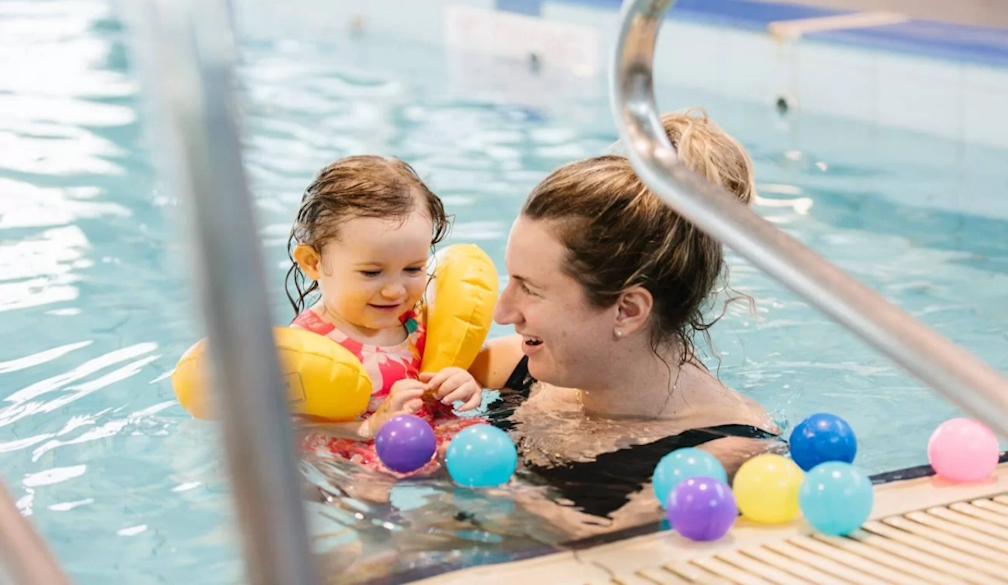
Choosing a swimming school involves more than finding a convenient location and timetable. The right environment can influence how comfortably a learner develops water confidence, technique and safety awareness. It should provide qualified instruction, suitable facilities and a teaching approach that matches the swimmer’s age and ability. If you are comparing swimming lessons in Melton, consider several factors before making a decision.
Qualified and Experienced Instructors
Instructors should have relevant teaching qualifications and experience with different ages and abilities. Teaching children, beginners and advanced swimmers requires different approaches, so ask how instructors adapt lessons to individual needs.
A good teacher should communicate clearly, demonstrate techniques safely and provide constructive feedback. For younger learners, patience is important.
Structured Lesson Programmes
A quality swimming school should have a clear progression system rather than treating every class as a standalone session. Learners should understand what skills they are developing and what they need to achieve before moving to the next level.
Structured programmes make progress easier to monitor. Parents should be able to understand where their child currently sits within the programme and which skills are being developed.
Class Sizes and Individual Attention
Class size can affect how much attention each swimmer receives. Smaller groups may allow instructors more time to observe technique, correct mistakes and provide individual guidance.
However, the ideal class size can vary according to age, ability and lesson objectives. Ask how groups are organised and whether swimmers are placed with others at a similar stage.
Safety and Pool Environment
Safety should be central when selecting a swimming school. Check whether the facility appears clean, well maintained and appropriately supervised. The pool should also be suitable for the age groups using it.
Ask about emergency procedures, supervision practices and how instructors manage nervous or inexperienced swimmers. A strong focus on water safety should complement stroke development.
Lesson Frequency and Convenience
Consistency is important when learning a physical skill. Look for lesson times that fit realistically into your routine, as regular attendance can support steady progress over time.
Consider the location, availability of make-up lessons, holiday arrangements and booking policies. These details can make a difference.
Approach to Different Learners
Children do not all learn at the same pace. Some may enter lessons confidently, while others may need more time to become comfortable in the water. A quality school should recognise these differences without making learners feel pressured.
It can also be useful to ask how the school supports swimmers with different learning requirements or additional needs. Flexibility and clear communication can create a more inclusive experience.
About Paul Sadler Swimland
Paul Sadler Swimland is one example of a swimming school operating with a structured approach to teaching and progression. When considering any provider, including Paul Sadler Swimland, families can look at lesson structure, instructor support, safety practices and how progress is communicated. The same criteria can be applied when comparing options.
Making the Right Choice
The right swimming school balances qualified instruction, appropriate class sizes, strong safety practices, clear progression and convenient scheduling. Before enrolling, visiting the facility or asking specific questions can help you understand whether its approach suits the swimmer.
Taking time to compare these details can make it easier to choose swimming lessons in Melton that support confidence, safety and long-term swimming development effectively.


 Business Daily Media