Is Your Site Secure? A Guide to Automatic Gate Repairs and Maintenance for Businesses
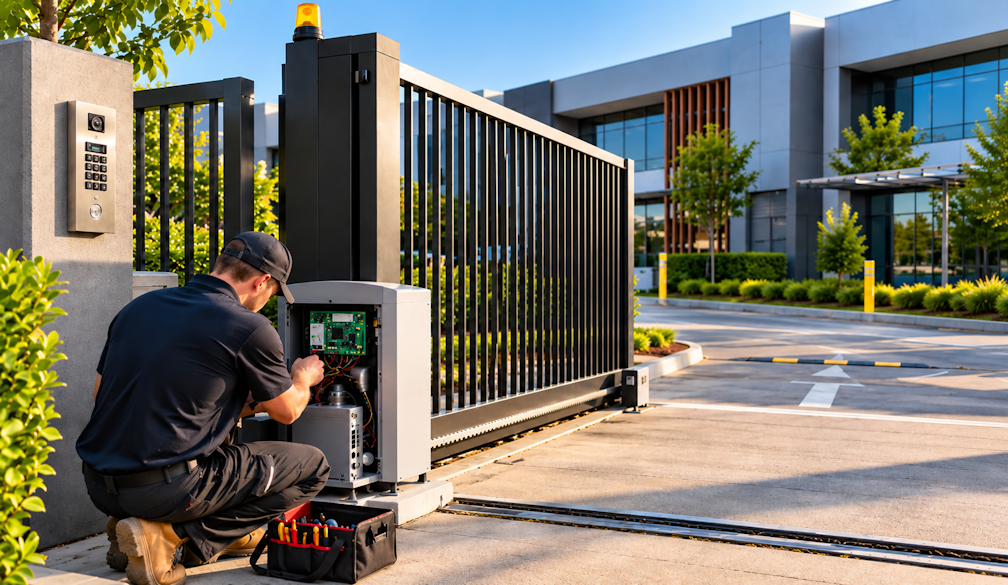
For warehouses, office parks, apartment complexes and car parks, an automatic gate is often the first line of security. It controls who comes and goes, protects vehicles and assets, and keeps traffic moving smoothly.
When it stops working, the impact is immediate. Staff can't get in, deliveries are delayed, residents are locked out and the site may be left unsecured.
Understanding common faults, planning regular maintenance and knowing when to call in professionals for automatic gate repairs can help reduce downtime and keep your site safe.
Why Automatic Gates Need Regular Attention
Commercial and strata gates often open and close many times a day. Over time, that constant use places wear on motors, hinges, rollers, tracks and electronic components.
Weather also plays a role. Sydney's summer storms, heat, dust and coastal salt air can all affect gate performance, particularly on exposed sites.
Without regular servicing, small issues can develop into major faults that are more expensive to fix and more disruptive for the people who rely on the gate every day.
7 Common Automatic Gate Problems
1. Gate Won't Open or Close
This is the most common complaint. It may be caused by a power issue, a faulty motor, damaged wiring or a problem with the control board. Sometimes, something as simple as an obstruction in the track or a triggered safety sensor is to blame.
2. Remote Controls Not Working
If the gate works from the keypad or switch but not the remote, the issue may be flat batteries, interference or a remote that needs reprogramming. If multiple remotes stop working at once, the receiver may be faulty.
3. Safety Sensors Misaligned
Photo-electric beams and sensors help stop the gate closing on people or vehicles. If they're dirty, blocked or knocked out of alignment, the gate may refuse to close or behave unpredictably.
4. Noisy or Jerky Operation
Grinding, squealing or jerky movement often points to worn rollers, dry hinges, damaged tracks or a struggling motor. Addressing these early can prevent further damage.
5. Vehicle Impact Damage
Busy commercial sites are prone to accidental bumps from trucks, cars and forklifts. Even minor impacts can bend a gate, damage tracks or affect alignment.
6. Power Outages
Without power, many automatic gates will stop working. Sites without battery backup or a clear manual release process may find staff or residents stuck on the wrong side of the gate.
7. Access Control Faults
Keypads, swipe cards, intercoms and other access systems add convenience but also more components that can fail. Faults may stop authorised users from getting in, or leave the gate open when it shouldn't be.
The Importance of Safety
Automatic gates are heavy moving structures, and faulty gates can pose serious risks. People and vehicles can be injured if safety features aren't working correctly.
Businesses and strata schemes have obligations to manage risks on their sites. Regular inspections of safety sensors, force settings and emergency release mechanisms are an important part of keeping everyone safe.
If a gate is behaving unpredictably or its safety features aren't working, it's best to stop using it and arrange a professional inspection as soon as possible.
What Regular Maintenance Usually Includes
A professional service typically covers:
- Inspecting the motor, gearbox and control board
- Testing safety sensors and obstruction detection
- Checking hinges, rollers, tracks and fixings
- Lubricating moving parts where required
- Testing remotes, keypads and access systems
- Checking battery backup and manual release
The right servicing frequency depends on how often the gate is used and the manufacturer's recommendations. High-traffic commercial gates generally need more frequent attention than a residential gate.
Tips for Strata Managers
For apartment buildings and townhouse complexes, gate faults can quickly lead to complaints from residents. A few steps can help:
- Schedule regular servicing rather than waiting for breakdowns
- Keep a register of remotes and access cards issued
- Make sure residents know who to contact if the gate fails
- Keep records of maintenance and repairs
- Include gate servicing in the building's maintenance plan
Clear processes make it easier for committees and managers to respond quickly when something goes wrong.
Repair or Replace?
Many faults can be fixed with repairs or replacement parts. However, if a gate is breaking down frequently, uses outdated equipment or no longer suits the site's needs, replacement may be more practical in the long run.
A technician can assess the condition of the gate, motor and components and explain the options. When comparing costs, consider reliability, safety features and the cost of ongoing downtime, not just the upfront price.
Choosing a Gate Technician
Look for experienced technicians who work on commercial and strata gates and can service a range of motor brands and gate types. Ask about response times, especially if your site depends on gate access for daily operations.
A good provider will explain the fault clearly, provide transparent pricing and recommend a maintenance schedule suited to your site. If you're upgrading or installing a new electric gate in Sydney, working with a local specialist means you'll have support for servicing and repairs down the track.
Final Thoughts
Automatic gates play an important role in security and access for businesses and strata properties. When they fail, the disruption can affect staff, residents, deliveries and safety.
Regular maintenance, prompt repairs and a clear plan for faults and power outages can help keep your gate running reliably and your site secure.


 Business Daily Media