The Business Value of Custom Promotional Products
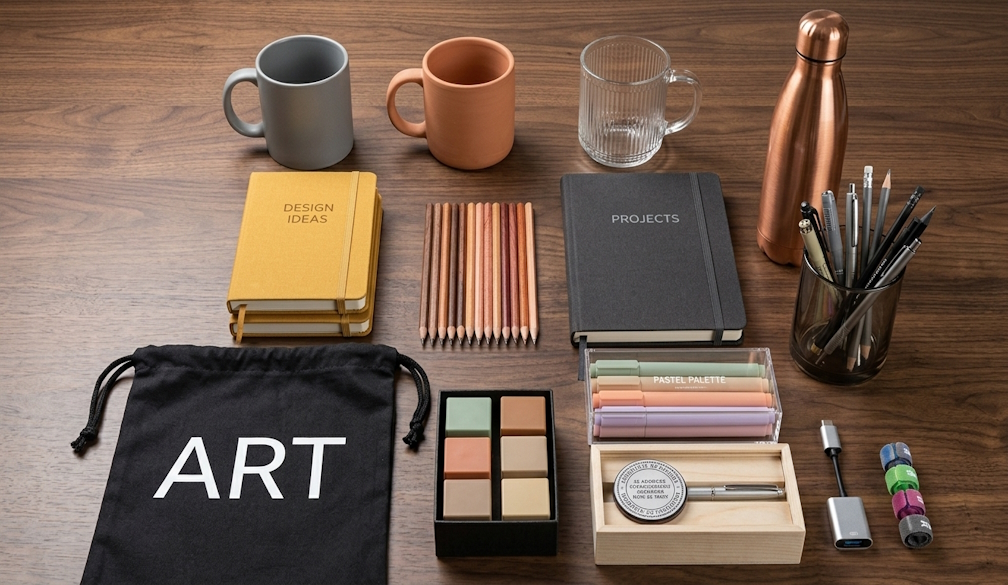
Branded merchandise is one of the oldest advertising channels. It still performs. A physical item stays visible long after a digital ad has scrolled away. That staying power gives it real business value.
Why Physical Branding Holds Up
Most advertising is rented. You pay, the ad runs, and the exposure ends. A branded object works differently. You pay once. The recipient keeps using it.
That repeated use builds familiarity. Familiarity shapes buying decisions. Clients, employees, and prospects all respond to it.
Brands that use customizable promotional products control three variables: the item, the message, and the audience. That control is hard to get from paid media. A mug in a client's office shows your logo every workday. A tote bag carries it through public spaces. Each use counts as an impression.
Cost Per Impression Explained
Cost per impression (CPI) is the core metric. Divide the item's total cost by the number of times people see it.
The 2026 ASI Ad Impressions Study offers useful benchmarks. A $6 tote bag generates nearly 5,000 impressions over its life. That puts CPI near one tenth of a cent. A $13 baseball cap averages about three tenths of a cent. Fleece and outerwear stay under four tenths of a cent because people wear them for years.
Compare that with paid channels. A digital ad stops delivering when the budget stops. A cap keeps delivering. Low CPI comes from long ownership. The item does the work after the purchase is complete.
What Drives Impressions
Four factors decide how much exposure an item earns:
- Usefulness: people keep items they use daily.
- Visibility: wearables and bags travel into public spaces.
- Lifespan: durable materials extend the impression count.
- Placement: desk items reach the same person repeatedly.
Over two thirds of U.S. consumers say they keep a promotional item because it is useful. Pick function first. Decoration comes second.
Matching Product to Audience
Different audiences need different items. Match the product to the moment.
- Trade show visitors: lightweight items such as pens, tote bags, and phone accessories.
- Top clients: premium drinkware, notebooks, or tech accessories.
- New employees: apparel and desk items that build team identity.
- Field teams: outerwear and safety products.
Keep the logo clean. Add one clear call to action. A web address or QR code is enough.
Consumer Sentiment and Quality
Impressions only matter if they are favorable. Research supports the case here. The PPAI 2019 Consumer Study surveyed more than 3,000 consumers in the U.S. and Canada. It found that 73 percent prefer promotional products over any other form of advertising. It also found that 72 percent link an item's quality to the company's reputation.
That second number is a warning. A flimsy pen signals a flimsy brand. Spend slightly more per unit and order fewer pieces. The math usually favors quality.
Recipients also discard what they do not value. PPAI found that 79 percent pass on items that lose their value. Passing an item along can extend reach. Discarding it ends the campaign.
Measuring Return
Merchandise can be tracked. Treat it like any other channel.
- Print a unique URL or QR code on each batch.
- Attach a promo code to each distribution event.
- Record leads collected at events where items were given.
- Compare repeat orders from recipients against a control group.
Sales teams can also log which accounts received items and track meeting acceptance rates. Review results each quarter. Drop items that do not perform.
Sustainability and Sourcing
Buyers now look at materials and sourcing. The 2026 ASI study lists sustainability and responsible sourcing as important factors for consumers.
Ask suppliers about material origin, recycled content, and factory standards. Request documentation. Recycled fabrics, reusable bottles, and long-life goods reduce waste and support your brand claims. Avoid green labels you cannot verify.
Common Mistakes
Most failures come from planning, not product. Teams buy on price alone. They skip audience research. They crowd the logo with text. They order late and pay rush fees. They hand items out with no follow-up plan.
Each error lowers the value of every impression. Fix the process first.
Final Takeaway
Custom merchandise is a measurable, long-lived media channel. Its value comes from usefulness, quality, and targeting. Set a CPI goal. Choose items people keep. Track results. Then adjust the next order based on what the data shows.


 Business Daily Media