Building a Strong Educational Foundation: How Modern Early Childhood Settings Drive Long-Term Learning Success
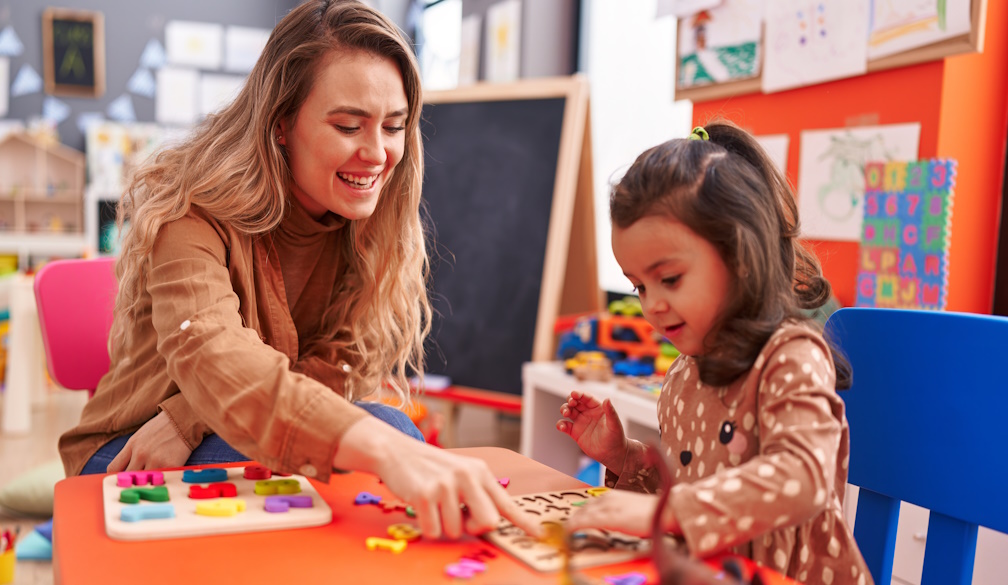
The early years of a child's life represent a period of unprecedented brain development. Neuroscientists and educators agree that the cognitive, emotional, and social frameworks established before the age of six heavily influence a child’s capacity to learn for the rest of their lives. For parents, navigating the decision to transition a young child from the home environment into structured early education is both an emotional and pivotal milestone.
Rather than viewing early care as simple supervision, forward-thinking parents now recognize it as a vital stepping stone toward primary school readiness and overall developmental health. Modern early learning goes beyond basic child minding, relying on deliberate play-based learning frameworks, intentional physical spaces, and targeted social-emotional coaching. Understanding how these elements work together enables parents to make informed decisions that benefit their child's long-term educational trajectory.
The Neuroscience of Early Development and Play-Based Learning
During the first five years, a child’s brain forms over one million new neural connections every single second. This rapid architectural growth means that early experiences literally shape the physical wiring of the brain. However, young children do not process information through rigid lectures or repetitive worksheets; they learn best through self-directed exploration, active experimentation, and guided play.
The Power of Intentional Play
Play-based learning is often misunderstood as unstructured downtime, but high-quality programs utilize play as a rigorous pedagogical tool. When children engage in block play, for example, they are actively testing physics, spatial reasoning, and early geometry concepts. When they participate in imaginative dress-up scenarios, they are building executive functioning skills like self-regulation, impulse control, and narrative comprehension.
Educators act as facilitators in this process, expanding on a child's natural curiosity. If a child expresses interest in insects in the garden, a skilled educator introduces magnifying glasses, field guides, and drawing tools to transform a simple moment of curiosity into a multi-disciplinary inquiry project spanning science, literacy, and fine motor skills.
Fostering Executive Functioning and Self-Regulation
Beyond early literacy and numeracy, early childhood education instills core executive function skills, including working memory, mental flexibility, and self-control. These cognitive processes are stronger predictors of academic success in later school years than early reading ability. Children who learn how to manage frustration, follow multi-step routines, and shift their attention between tasks enter the formal schooling system with a massive advantage.
Creating Optimal Learning Environments for Young Minds
The physical space where a child spends their early years acts as a "third teacher." A well-designed early childhood environment promotes independence, curiosity, and a sense of psychological safety.
Key Characteristics of High-Quality Learning Spaces
To maximize learning opportunities, quality centers thoughtfully organize their indoor and outdoor areas:
- Defined Activity Zones: Distinct areas for literacy, block building, art, sensory play, and quiet reflection allow children to make autonomous choices about their learning path throughout the day.
- Accessible Materials: Low, open shelving loaded with open-ended materials—such as wooden blocks, fabric, loose natural items, and art supplies—encourages children to initiate their own activities without constantly relying on adult direction.
- Seamless Outdoor Integration: Outdoor play spaces should be more than just swing sets. High-quality outdoor environments feature natural elements like mud kitchens, vegetable patches, sand zones, and climbing structures designed to challenge gross motor skills and risk assessment.
- Calming Elements: Natural light, neutral tones, and designated quiet spaces help children learn to self-regulate when they feel overstimulated.
When evaluating local options, visiting facilities in person gives parents a clear sense of how space design impacts child engagement. Families seeking dedicated care in local communities often explore dedicated community hubs like a browns plains early learning centre to see firsthand how purpose-built environments support age-appropriate developmental milestones. Seeing children move freely between structured group activities and independent exploration offers valuable insight into how a program runs daily.
The Social-Emotional Bridge to Primary School Readiness
The transition to primary school is one of the most significant changes a young child experiences. While many parents focus on whether their child can write their name or count to twenty before their first day of kindergarten, school teachers overwhelmingly stress that social-emotional readiness is far more critical.
Peer Interaction and Conflict Resolution
In an early learning setting, children regularly practice the complex art of social interaction. They learn to share limited resources, take turns during group play, negotiate roles in imaginative games, and articulate their feelings when conflicts arise. Skilled educators do not step in immediately to solve every dispute; instead, they coach children through the process, helping them identify their emotions and express them using constructive language.
Building Resilience and Independence
School readiness requires a high degree of personal independence. Children who have spent time in structured early learning environments develop routines around:
-
Self-Care Skills: Managing their own belongings, opening lunch containers, using the bathroom independently, and putting on shoes or jackets without adult intervention.
-
Communicating Needs: Confidently asking adults for assistance, expressing physical discomfort, or asking a peer to join in play.
-
Handling Transitions: Moving smoothly from high-energy outdoor play to quiet group listening times without experiencing emotional meltdowns.
Children who master these fundamental life skills transition into formal classroom settings with far less stress, allowing them to focus their energy on academic learning from day one.
Partnering with Educators for Consistency at Home
The most effective early childhood outcomes occur when there is a strong, collaborative relationship between parents and early childhood educators. Consistency between the home environment and the early learning setting accelerates a child's developmental progress and creates a cohesive sense of security.
Practical Strategies to Align Home and Early Learning
-
Maintain Consistent Daily Routines: Young children thrive on predictability. Try to align home meal times, nap schedules, and wind-down routines with the schedule used at your child's early learning center.
-
Read Together Daily: Shared reading at home reinforces the early literacy foundations built during center storytimes. Ask open-ended questions about the characters and pictures rather than just reading the words on the page.
-
Encourage Independence at Home: Resist the urge to do everything for your child. Allow them to pack their own backpack, clear their plate after meals, and attempt to dress themselves, even if it takes extra time.
-
Maintain Open Communication: Share notable changes at home—such as a poor night's sleep, a traveling spouse, or a new family pet—with your child's educators. These insights allow teachers to provide extra emotional support when needed.
Empowering Your Child’s Journey
Investing time into finding the right early childhood setup pays dividends throughout a child’s academic career. By prioritizing play-based learning, rich environments, and emotional readiness, parents give their children the tools necessary to step confidently into formal schooling and beyond. Early childhood education is not simply about preparing a child for school; it is about fostering a lifelong love of discovery, resilience in the face of challenges, and the confidence to explore the world around them.


 Business Daily Media