Applications of PVC Conduit in the Australian Market
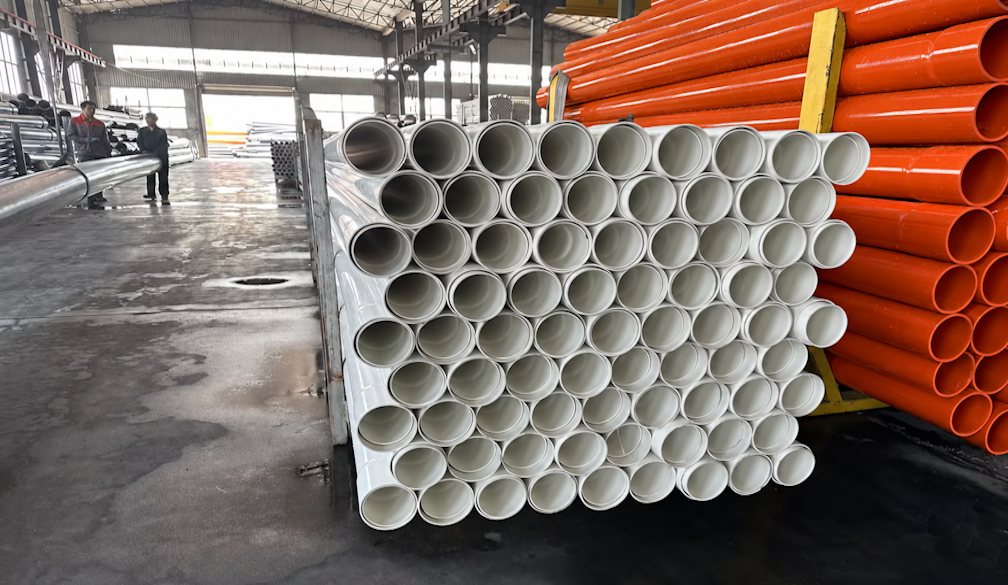
In the field of electrical installation, one key application of PVC pipe is PVC conduit. It typically comes in the form of rigid or semi-rigid pipes and is used to encase electrical wires and cables, providing mechanical protection, moisture resistance, corrosion resistance, electrical insulation, and organized wiring. Whether for concealed wiring in residential buildings, exposed wiring in commercial buildings, or the protection of underground power cables and communication lines, PVC conduit is a common and cost-effective choice.
Demand for PVC Conduit
As infrastructure development and power grid upgrades continue to advance in Australia, demand for electrical conduit remains strong. Due to its corrosion resistance, lightweight design, and cost-effectiveness, PVC conduit has become the mainstream choice for electrical installation projects in Australia. Whether for protecting underground power cables, laying communication lines, or installing wiring systems in commercial and residential buildings, PVC conduit plays an irreplaceable role.
Color Coding and Grade Requirements
In Australia, the use of PVC conduit is strictly regulated by the AS/NZS 3000 Electrical Installation Code, and color coding carries specific engineering implications. Orange conduit is exclusively used for the protection of underground power cables, while white conduit is used for telecommunications cables. Gray is typically used for above-ground electrical conduits. This color distinction is not only an industry practice but also a requirement of safety standards, ensuring that lines for different purposes can be accurately identified during installation and maintenance.
In terms of grades, the Australian standard AS/NZS 2053.2 provides a clear classification for conduits. Underground electrical projects typically require the use of heavy-duty rigid PVC conduit, while telecommunications lines require white heavy-duty conduit. The technical specifications of the Queensland Department of Transport and Main Roads further specify that non-metallic conduits must comply with the requirements of AS/NZS 2053 Part 2 and must have a solid, smooth-walled structure; sandwich constructions are not permitted. Similarly, South Australia’s infrastructure specifications stipulate that electrical conduits must be made of heavy-duty rigid PVC, with orange conduits used for underground cables and UV-stabilized products used for above-ground applications.
UV Stability: A Key Factor in Australia’s Unique Climate
Australia ranks among the highest in the world for ultraviolet (UV) radiation intensity, which imposes additional requirements on PVC conduits used above ground. Conduits that comply with the standards must be marked with protection against solar radiation and marked with the letter "T" -. Some Australian manufacturers have developed conduit products with extreme UV stability specifically tailored to Australian climatic conditions. For suppliers seeking to enter the Australian market, UV stability is a technical hurdle that cannot be overlooked.
SAA Certification: The Key to Entering the Australian Market
What Is SAA Certification?
SAA (Standards Australia) certification is Australia’s mandatory safety certification system for categories such as electrical products, gas appliances, and building materials. Standards are developed by Standards Australia, while testing and certification processes are carried out by authorized third-party organizations. Its legal basis primarily includes the Electrical Safety Act and relevant state and territory regulations, with the core objective of ensuring product safety and preventing accidents such as fires and electric shocks caused by product defects.
For electrical installation materials like PVC conduit, SAA certification is a necessary condition for the product to legally enter the Australian market. Products that fail to obtain certification may face penalties such as detention, confiscation, or fines upon entering the Australian market.
Technical Basis for Certification
SAA certification is based on technical specifications established by the Australia/New Zealand Joint Standards (AS/NZS Standards). For PVC conduit products, the core standards include the AS/NZS 2053 series (Conduits and Fittings) and the AS/NZS 61386 series (Conduit Systems for Cable Management). AS/NZS 61386.1 specifies general requirements for conduit systems, covering the protection and management of insulated conductors and cables, and applies to electrical installations or telecommunications systems with voltages up to 1,000 V AC and 1,500 V DC.
Certification testing typically covers electrical safety performance (insulation resistance, dielectric strength testing), material flame retardancy, mechanical strength, and environmental reliability. Products must also bear the SAA certification mark, standard number, rated parameters, and manufacturer information.
The Relationship Between SAA Certification and the RCM Mark
Currently, the RCM Mark (Regulatory Compliance Mark) is more widely used in the Australian market. It is a joint Australia-New Zealand compliance mark that covers a wide range of requirements, including electrical safety, electromagnetic compatibility, and radio frequency. The SAA certification test report is one of the key requirements for obtaining the RCM mark. In other words, holding an SAA certificate means that the product has passed the core tests of Australian safety standards, laying a solid foundation for subsequent applications for the RCM mark and market access.
Puhui Industry: have obtained the SAA certificate, which helps our clients quickly enter the Australian market
Puhui has obtained the SAA certification for its PVC Conduit products, which means that customers using Puhui’s products can directly obtain conduits compliant with Australian safety standards without having to bear the certification cycle and testing costs themselves.
The typical application cycle for SAA certification is approximately 4 weeks; however, this timeframe may be extended if product modifications are required. For electrical contractors, distributors, and project owners seeking rapid entry into the Australian market, selecting a supplier that already holds an SAA certificate can significantly shorten the product compliance cycle and reduce uncertainties that associated with market access.
Puhui’s PVC conduit products are manufactured in strict accordance with the AS/NZS 2053.2 and AS/NZS 61386 series of standards, covering Heavy Duty (HD) and MD grades, and are suitable for a variety of applications, including direct burial, concrete encasement, and above-ground installation. The products meet the requirements of Australian engineering codes in terms of color coding, wall thickness specifications, UV stability, and can satisfy the needs of various applications such as power, telecommunications, and commercial buildings.
For Australian market participants seeking a PVC conduit supplier with SAA certification, Puhui is a partner worth giving priority to . Take the fast track with compliant products,Puhui Industry —making entering the Australian market no longer complicated.


 Business Daily Media