How Al Fresco Experiences Are Reshaping Urban Culinary Tourism
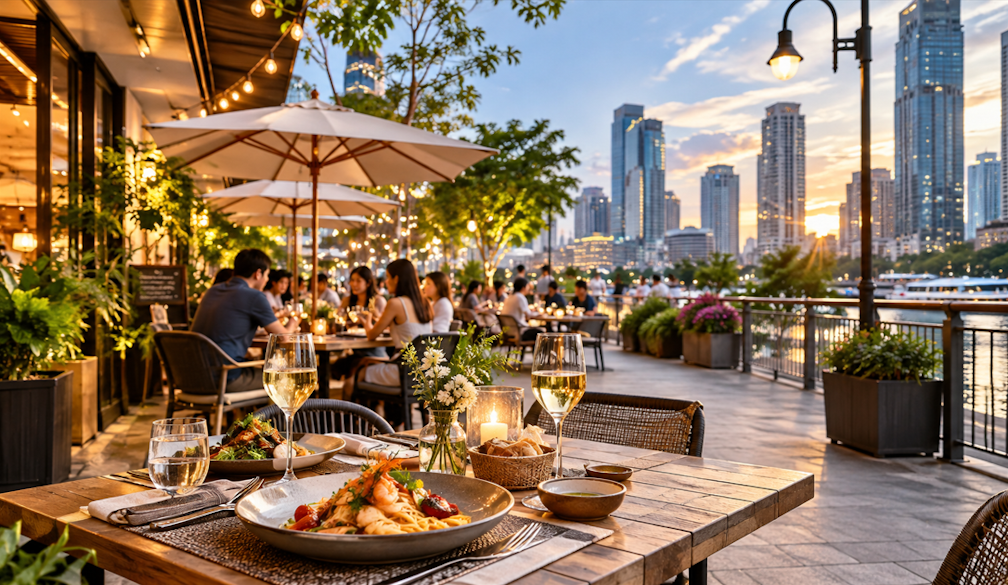
The modern travel experience is no longer just about seeing famous landmarks. For a growing majority of international tourists, the primary motivation for exploring a new destination is the local food scene. As the hospitality sector undergoes significant structural shifts, venues are constantly adapting to modern consumer expectations through new reservation technologies and digital platforms that help manage dining demand and streamline operations. However, the most profound transformation in the industry is not just digital. It is deeply physical, seen in the massive global shift toward al fresco dining and open-air urban oases.
The Global Boom in Culinary Travel
Culinary tourism has transitioned from a niche interest to a primary driver of the global travel economy. According to a 2026 report by Grand View Research, over half of global travellers across all generations now prioritise food when planning their trips, with 81 percent actively seeking unique culinary adventures abroad. Research conducted by Marriott International in 2025 similarly revealed that 88 percent of affluent travellers consider discovering new foods to be an essential factor when selecting a travel destination. This shift in consumer behaviour is reshaping how cities market themselves. The introduction of the 2026 Gastronomy Tourism Maturity Index highlights a growing trend where structured culinary destination branding turns local hospitality hotspots into major attractions, as travellers look for authentic, sensory connections to the places they visit.
Bangkok as a Blueprint for Al Fresco Innovation
Few places illustrate this culinary evolution as effectively as Thailand. Driven heavily by its diverse street food and high-end restaurant scene, the capital retained its position as a top-tier global travel hub, welcoming an estimated 30.3 million visitors in 2025. Furthermore, data from LINE MAN Wongnai highlighted a 4.8 percent increase in newly opened restaurants in the city during the first quarter of 2025 alone, underscoring the fierce expansion of the sector.
Amidst the towering skyscrapers and busy avenues, tourists are increasingly hunting for nature-infused escapes. It is incredibly common for visitors to look up options for outdoor dining Bangkok before they even arrive in the country. They want to secure tables at lush, open-air community hubs where they can enjoy tropical weather alongside world-class local cuisine. These venues act as serene pockets of nature, proving that massive cities can successfully blend dense urban development with relaxing al fresco experiences.
Why Open-Air Spaces Are the New Urban Oasis
While the quality of the food is paramount, the environment in which it is served has become equally critical. Following recent global shifts, consumers have developed a strong, lasting preference for outdoor hospitality. Industry research reflects this permanent change in diner expectations, noting that 70 percent of diners are willing to wait longer for outdoor seating compared to indoor alternatives.
This incredible demand for al fresco environments is particularly noticeable in dense, metropolitan cities. Urban rooftop and terrace dining spaces have become highly sought after, providing guests with a vital sense of escape, elevated panoramic views, and a retreat from heavy concrete surroundings. Travellers actively seek out these green social hubs to relax and soak up the local atmosphere in a comfortable, airy setting.
Key Elements Driving Modern Outdoor Venues
Creating a successful open-air dining experience in an unpredictable urban climate requires innovative design and strategic planning. Today's leading hospitality venues are incorporating several core elements to elevate the guest experience:
- Biophilic Design: The global market for biophilic design in hospitality reached 3.8 billion dollars in 2025. By actively incorporating living green walls, natural stonework, and indoor-outdoor plant life, venues can improve ambient air quality and create a calming, natural aesthetic.
- Climate-Responsive Architecture: Modern al fresco dining trends show a significant shift toward weather-protected spaces. Venues are investing in climate-responsive shading and integrated LED lighting to maintain the perfect atmosphere across unpredictable seasons and sudden weather changes.
- Modular Layouts: Contemporary hospitality architecture is increasingly blurring the lines between indoor and outdoor layouts. Utilising modular, flexible seating allows venues to rapidly adapt their al fresco footprint based on changing group sizes and environmental conditions.
- Elevated Sensory Experiences: Integrating natural elements like daylight and flowing water features directly enhances measurable guest satisfaction, making the dining experience feel more authentic and memorable.
As culinary tourism continues to grow, the demand for open-air, nature-infused dining will only increase. By blending exceptional food with thoughtfully designed al fresco environments, cities are successfully creating urban oases that delight locals and international travellers alike.


 Business Daily Media