The Hidden Link Between Sun Protection and Electric Vehicle Range
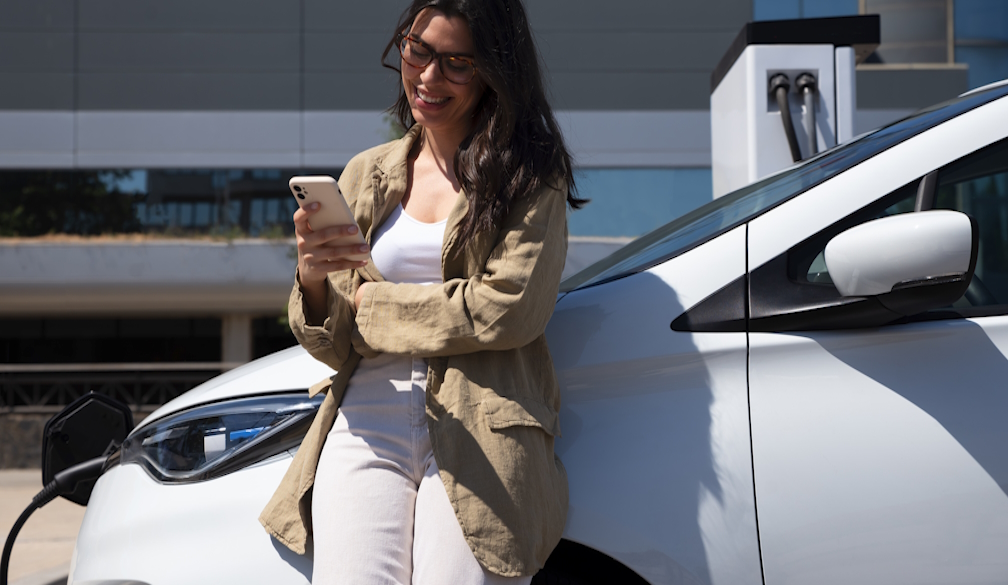
In August 2026, electric vehicles marked a historic milestone in Australia, capturing nearly 25 percent of all new-car sales and outselling pure petrol and diesel models for the first time. As adoption accelerates locally and globally, massive infrastructure moves are underway to support this demand. For instance, Thailand secures $4.1 billion in EV chain investments as the broader Asia-Pacific region pivots toward next-generation automotive technologies. With millions of new drivers adapting to battery-powered transport, the conversation around vehicle maintenance is shifting. One of the most overlooked factors impacting daily driving range has nothing to do with driving habits or charging speeds. Instead, it comes down to ambient temperature and sun exposure.
The Greenhouse Effect on Battery Efficiency
Electric vehicles are renowned for their sleek designs, often featuring expansive panoramic glass roofs. While these create an airy and modern cabin, they also severely amplify heat gain. Short-wave solar radiation easily passes through the glass, converting into trapped long-wave infrared energy inside the car. Testing shows that a closed vehicle parked in direct sunlight can reach a blistering 60 degrees Celsius in less than 30 minutes, turning the interior into a massive heat sink.
Unlike traditional internal combustion engine cars that can repurpose waste heat, an EV must draw power directly from its high-voltage battery to operate air conditioning systems. A recent AAA study reveals temperature impacts on these vehicles, noting that operating an electric car in hot weather around 35 degrees Celsius results in an 8.5 percent loss of driving range and a 10.4 percent reduction in overall efficiency compared to moderate climates. This significant drop is primarily driven by the heavy energy demands of thermal management.
Passive Solutions to Maximise Range
Cooling down a severely heat-soaked cabin can demand an initial continuous draw of up to 5 kilowatts of power from the battery. For daily commuters, this means a noticeable chunk of range evaporates in the first ten minutes of the drive home from work. Proactive drivers are learning that passive temperature control is a highly effective way to preserve their battery capacity and minimise reliance on automated cabin overheat protection software.
The Tesla Model Y recently claimed the title of Australia's best-selling vehicle overall across all fuel types, meaning more drivers are seeking model-specific solutions to optimise their daily commutes. For owners of these popular vehicles, investing in tailored Tesla shades provides an immediate, custom-fit defence against radiant heat. These aerospace-grade reflective barriers physically block up to 99 percent of UV rays, preventing the steering wheel and central console from absorbing solar energy before the climate control system even needs to be activated.
Preserving Next-Generation Interiors
Beyond battery efficiency, extreme cabin temperatures pose a direct physical threat to the innovative materials used in modern electric vehicles. Manufacturers have largely transitioned to using synthetic vegan leather for upholstery. This polyurethane-based material requires a very different approach to maintenance compared to traditional animal hide.
To maintain these synthetic interiors, owners must adopt new strategies for car care:
- Avoid traditional conditioners. Synthetic materials do not absorb natural leather oils. Applying them will only leave a greasy, unappealing residue sitting on top of the seat surface.
- Limit chemical transfer. Common sunscreens and body lotions can react poorly with the polyurethane coating. When baked by trapped cabin heat, these chemicals can cause the material to permanently bubble or peel.
- Block UV exposure proactively. Because factory tinted automotive glass offers minimal infrared heat rejection, deploying a physical reflective barrier is crucial for preserving both dashboard electronics and seat longevity over time.
As electric vehicles continue to dominate Australian roads, maximising their efficiency requires a slight shift in how we approach daily vehicle care. Keeping a car cool is no longer just a matter of driver comfort. By understanding the link between cabin temperature and battery draw, owners can protect their driving range, preserve their high-tech interiors, and make the most out of every single charge.


 Business Daily Media