Important Questions To Ask Yourself Before Investing In a Franchise
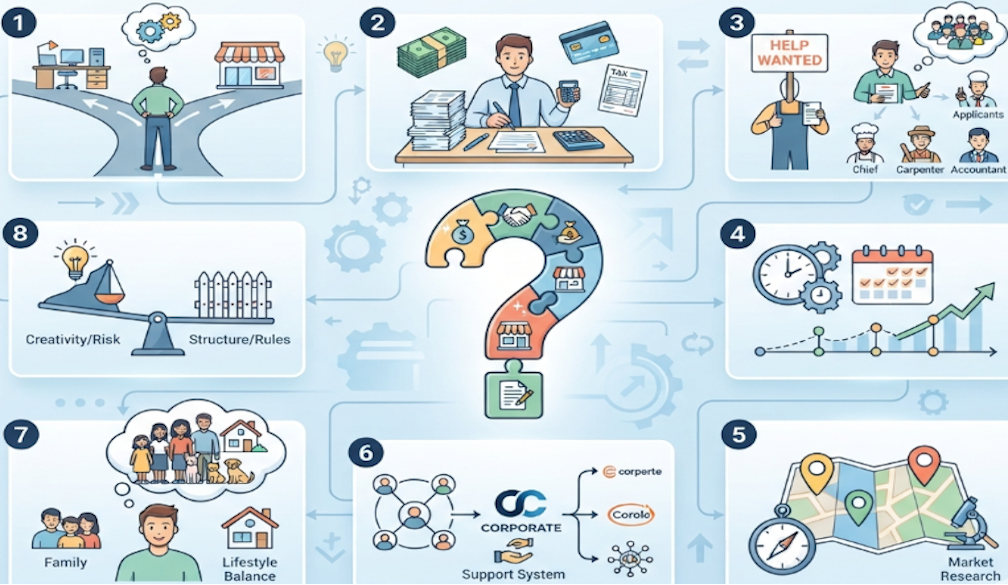
Investing in a franchise can be an exciting opportunity for aspiring business owners. Rather than building a company entirely from scratch, franchisees can benefit from an established brand, proven business model, training and ongoing support. However, franchising still involves financial risk, time, commitment and careful decision-making. Choosing the right franchise requires more than being attracted to a popular brand or an impressive financial projection. Before making an investment, it is important to take an honest look at your goals, finances, skills and expectations. Asking yourself the right questions can help you decide whether franchising is genuinely suitable for you.
Why Do I Want to Own a Franchise?
The first question to consider is why you want to become a franchise owner. Are you looking for greater financial independence, a career change, more control over your working life or an opportunity to build a long-term business?
Understanding your motivation can help you identify the type of franchise that is right for you. If you are simply attracted by the idea of making quick money, you may have unrealistic expectations. Running a franchise still involves hard work, responsibility and uncertainty. A clear understanding of your reasons for investing can help you remain focused when challenges arise.
Can I Afford the Investment?
Your financial position should be carefully assessed before committing to a franchise. The initial franchise fee is only one part of the overall cost. You may also need to consider premises, equipment, staffing, stock, insurance, marketing, professional fees and working capital.
It is important to determine how much money you can realistically invest without placing yourself under excessive financial pressure. You should also consider how long you could manage financially if the business takes time to become profitable. Understanding the complete financial commitment is essential before signing an agreement.
What Are My Income Expectations?
Potential profitability is naturally an important consideration, but you should avoid relying solely on optimistic sales projections. Ask yourself how much income you actually need from the business and how long you are prepared to wait before reaching that level.
Research the franchise's financial performance carefully and try to understand the costs involved in operating a typical location. Speaking with existing franchisees can provide useful insight into what owners actually experience rather than relying entirely on promotional information.
Does the Franchise Suit My Skills and Personality?
A franchise may have an excellent reputation, but that does not necessarily mean it will suit you personally. Consider your strengths, weaknesses, experience and preferred working style.
Some franchises require owners to be heavily involved in daily operations, while others may allow greater focus on management and growth. Think about whether you enjoy working with customers, managing employees, selling products or overseeing finances. Your personality and abilities can have a significant influence on how much you enjoy running the business.
Am I Comfortable Following an Established System?
Franchising offers support and structure, but it also comes with rules. Franchisees are generally expected to follow the franchisor's operating procedures, branding requirements and quality standards.
If you strongly prefer complete independence and want to make every business decision yourself, franchising may feel restrictive. Before investing, ask yourself whether you are comfortable operating within an established system while still taking responsibility for your individual business.
Have I Researched the Franchisor?
Never invest based solely on advertisements or sales presentations. Take time to research the franchisor, its reputation, history, financial stability and relationship with franchisees.
Look at how long the franchise has been operating and investigate whether existing franchisees are satisfied. If possible, speak directly with several franchise owners and ask about their experiences. Their insights can reveal important information about training, support, profitability and communication that may not be obvious during the initial sales process.
Have I Read the Franchise Agreement Carefully?
A franchise agreement can contain important obligations and restrictions, so it should never be treated as a formality. Consider issues such as contract length, renewal conditions, fees, territory rights, marketing contributions, termination provisions and restrictions on selling the business.
Professional legal and financial advice can help you understand the agreement and identify potential concerns before you commit. Taking time to understand your contractual responsibilities can prevent unpleasant surprises later.
Am I Prepared for the Time Commitment?
Owning a franchise is still a serious business commitment. Depending on the industry and business model, you may need to work long hours, manage employees, deal with customers and handle unexpected problems.
Consider how the business could affect your lifestyle and family commitments. If you are expecting immediate flexibility, make sure the franchising model genuinely offers that. Understanding the practical demands of ownership can help you make a more realistic decision.
What Happens If Things Do Not Go to Plan?
Every business carries risk, including franchises. Before investing, consider what you would do if sales were lower than expected, costs increased or the business took longer to become profitable.
Having a contingency plan and sufficient financial reserves can make it easier to deal with unexpected difficulties. Thinking about potential problems before investing does not mean expecting failure; it means preparing responsibly.
Conclusion
Investing in a franchise can provide an attractive route into business ownership, but it should never be an impulsive decision. Asking yourself important questions about your finances, goals, skills, expectations and willingness to follow an established system can help you determine whether franchising is right for you. Thorough research, professional advice and honest self-assessment are essential before making a commitment. By understanding both the opportunities and responsibilities involved, you can approach your franchise investment with greater confidence and make a decision that supports your long-term ambitions.


 Blackhawk Network VP Head of ANZ Kieran Nolan